
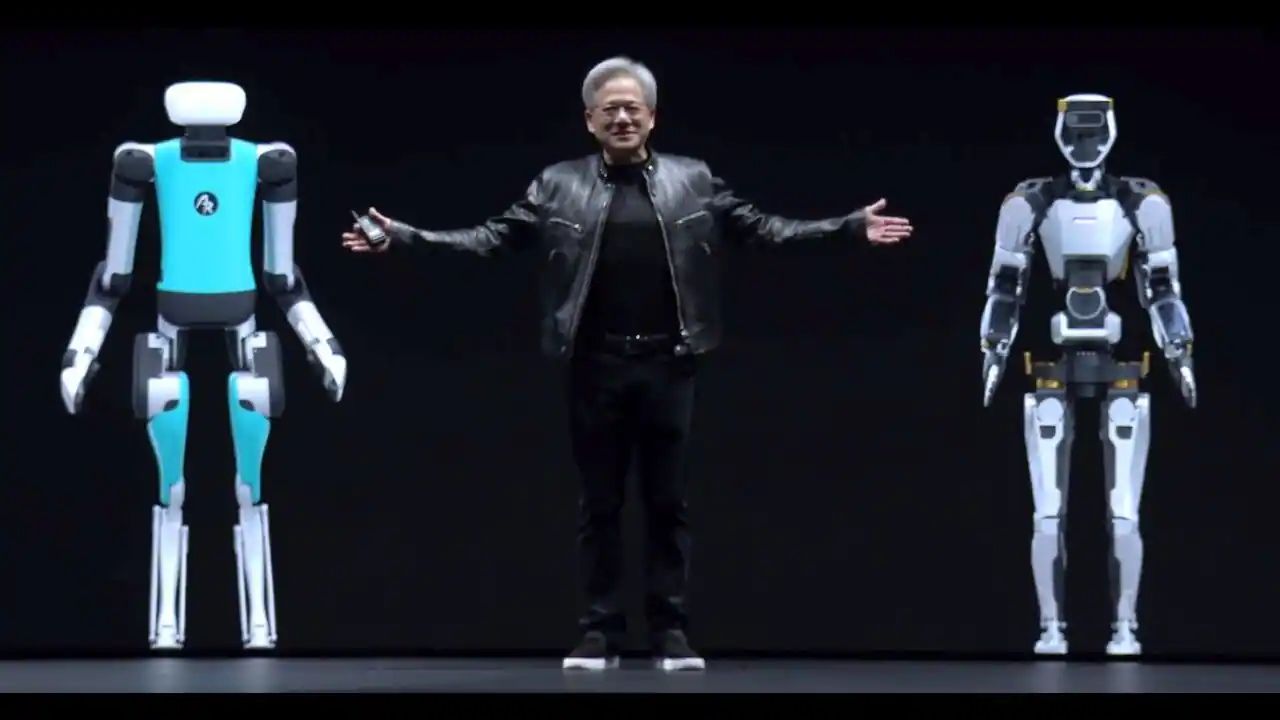
TECH NEWS – Unsurprisingly, what we see on our screens often feels unnatural and unsettling to many.
We’ve all seen videos of humanoid robots—scenes that likely amazed us, startled us, and perhaps even frightened us. These robots may perform harmless tasks or goofy dances, yet there is something eerie and disturbing about watching machines that look like us. Most people feel uneasy for several reasons, particularly when imagining these robots inside their homes. Still, robotics companies continue pushing humanoid models, even though box-like robots built for specific tasks tend to be more efficient.
Maya Cakmak, a robotics professor at the University of Washington, has tried to explain this paradox. Along with her students and researchers, she conducted several studies on the subject, presenting the findings in IEEE Spectrum. In one survey, participants—many of whom already had experience with robotic assistance at home—were asked how comfortable they felt with humanoid robots compared to other types. The results showed that, overall, people prefer robots that are less human-like.
“Not one of them wanted a humanoid. Their concerns ranged from ‘it’s creepy’ to ‘it has to be 100 percent safe because I cannot escape it.’ One panelist summed it up perfectly: ‘Building assistive robots as humanoids would be like designing autonomous cars by putting a humanoid in the driver’s seat and asking it to drive like a human.’” Cakmak added that, even after assurances of safety, participants still imagined risks—robots tripping, stumbling, tipping over, malfunctioning, or simply running out of battery.
If humanoid robots were advanced enough, they could theoretically perform any human task, serving as all-purpose helpers. But we’re not there yet. Instead, what we see are machines that often perform poorly—especially in dynamic tasks like sports—while specialized robots excel in specific roles. Most people also don’t have the space to accommodate what essentially feels like “an extra person” in their home, particularly one prone to clumsy movements.
Whether they work well or not, robots with capabilities far beyond their intended purpose raise serious safety concerns. This was a recurring theme among the study’s participants, even after being told the robots were completely safe.
Source: PCGamer, IEEE Spectrum















Leave a Reply