
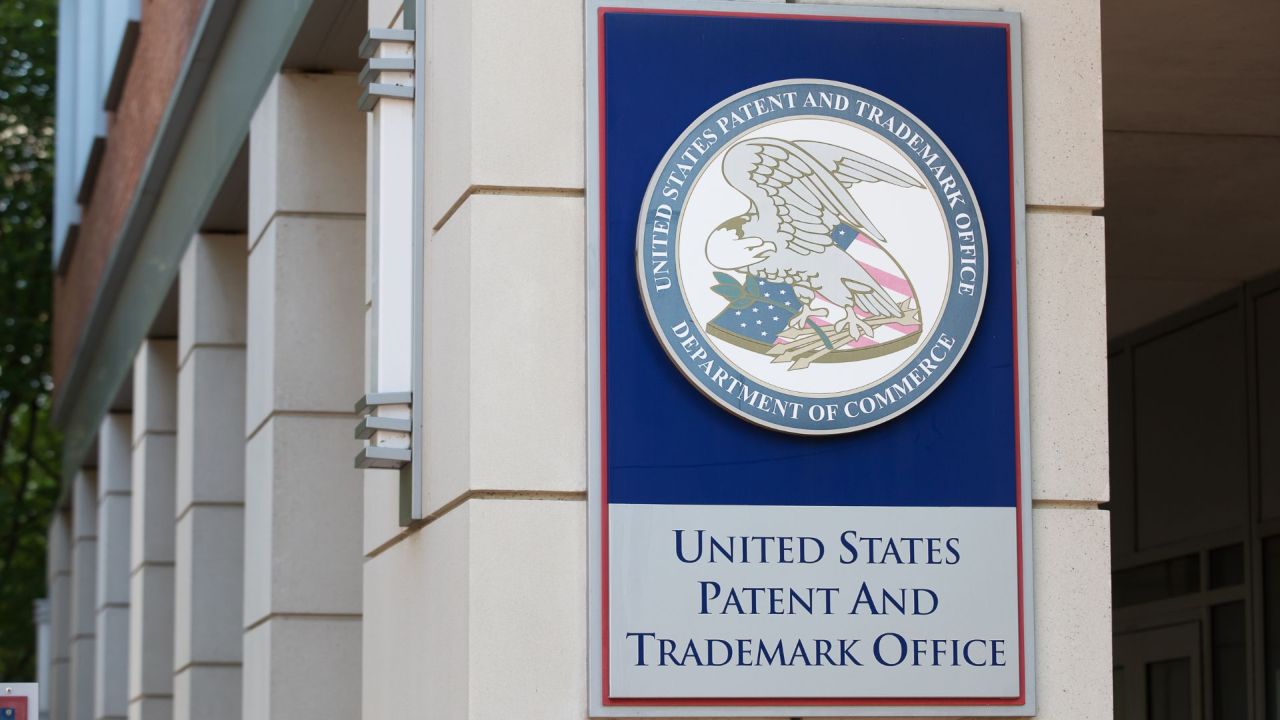
A patent and intellectual property lawyer believes that Nintendo’s latest Pokémon trademarks should not have been accepted.
Last week, Nintendo obtained US patent number 12403397, which protects the game mechanics of summoning a side character and controlling the battle between that character and an enemy. This is essentially a detailed description of classic Pokémon battles. It can be seen as another weapon in Nintendo’s arsenal for its ongoing legal battle against PocketPair, the developer of Palworld. This wasn’t the only one, as Nintendo also secured US patent number 12409387, covering the mechanics of player characters riding in-game objects—another point that aligns neatly with its case against PocketPair and Palworld.
Regardless of whether it’s Nintendo, Warner, or any other company, patenting core gameplay mechanics is always controversial. Yet, according to intellectual property attorney Kirk Sigmon, these latest patents go far beyond the usual outrage among players. He argues that the bigger issue lies not just in what the patents cover, but in how little pushback the USPTO (U.S. Patent and Trademark Office) showed in granting them.
“By and large, I agree with the many online complaints about these Nintendo patents. They represent an embarrassing failure of the U.S. patent system. It looks as though the USPTO simply gave up, assuming the claims were narrow or specific enough to be novel, without carefully examining them. I strongly oppose this outcome: in my view, these claims should never have been allowed. This approval should not have happened—period. The USPTO squandered an opportunity, and the result will be uncertainty (and likely legal costs) for developers and studios that don’t deserve it. This system was never meant to let a big player game the process, grab overly broad patents, and then intimidate competition with legally dubious lawsuits,” said Sigmon.
These patents don’t only affect the case between Nintendo and PocketPair. They can be applied to many other games, giving major corporations excessive leverage to threaten rivals whenever they choose. For Sigmon, this is a distortion of a patent system he still supports. By acquiring patents to flip the narrative and claim infringement, Nintendo is doubling down on the “hail mary” tactics it’s already using in the Palworld lawsuit. Reports in July suggested that Nintendo was even amending existing patents to better fit its case against PocketPair.
The most alarming element, according to Sigmon, is the precedent being set. These patents could still be revoked through an Inter Partes Review if successfully challenged, but given how easily they were approved, trusting the USPTO to scrutinize future cases properly seems doubtful.


Source: WCCFTech, PCGamer, Gamesfray, USPTO 12403397, USPTO 12409387











Leave a Reply