TECH NEWS – Sam Altman believes tech giants should stay with TSMC rather than partnering with Intel, even as they continue collaborating with Nvidia.
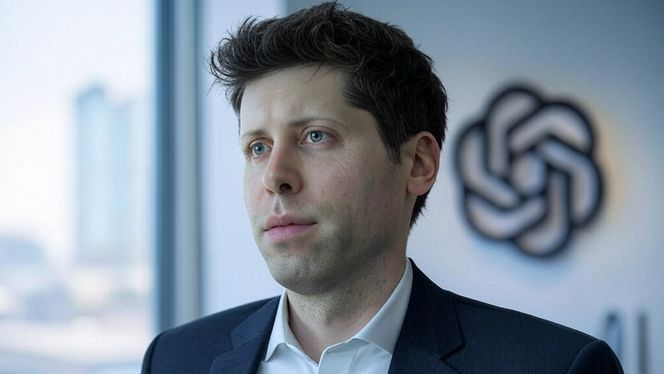
Sam Altman, the CEO of OpenAI, recently shared his views on whether major tech companies should consider Intel as an alternative to TSMC. According to him, sticking with the Taiwanese manufacturing leader remains the best option. The notion that Intel could become a viable rival to TSMC gained traction in the mainstream press, especially following the Trump administration’s announcement of a collaboration with Intel. Industry leaders like Jensen Huang (CEO of Nvidia), Lisa Su (CEO of AMD), Jim Keller, and Sam Altman were asked if they considered Intel a serious manufacturing alternative. While most offered cautious responses, Altman gave a more direct one in his interview with Stratechery.
The problem, he said, lies in the fact that both Nvidia and AMD rely on the same supplier — TSMC — creating a bottleneck in the semiconductor value chain. Asked whether he saw a responsibility or opportunity to expand the market, Altman replied that he would prefer TSMC to simply expand its own capacity. Instead of diversifying chip suppliers, he believes the industry should focus on TSMC’s investments in capacity growth.
While OpenAI is not directly involved in manufacturing, the company is reportedly developing a specialized AI processor built using TSMC’s 3nm technology. Given his knowledge of semiconductor supply chains, Altman’s opinion on Intel’s foundry services carries weight. Still, it wasn’t a complete rejection — his comments suggest that OpenAI prefers a reliable long-term partner over a dual sourcing strategy.
AMD’s CEO also gave a hesitant response when asked about using Intel as a foundry partner. Tech giants have acknowledged that investing in U.S.-based manufacturing is a long-term objective, and relying solely on TSMC won’t suffice. The Taiwanese manufacturer will need time and strong logistics to move a significant portion of its production from Taiwan to the United States. To ease existing supply bottlenecks, a secondary foundry partner — whether Intel or Samsung — will eventually be necessary.
For now, the world’s tech companies are watching closely to see how Intel’s 18A node performs in terms of efficiency, performance, and production volume. The results could determine whether Intel Foundry Services is fit to carry the banner for American semiconductor manufacturing.
Source: WCCFTech, Stratechery