
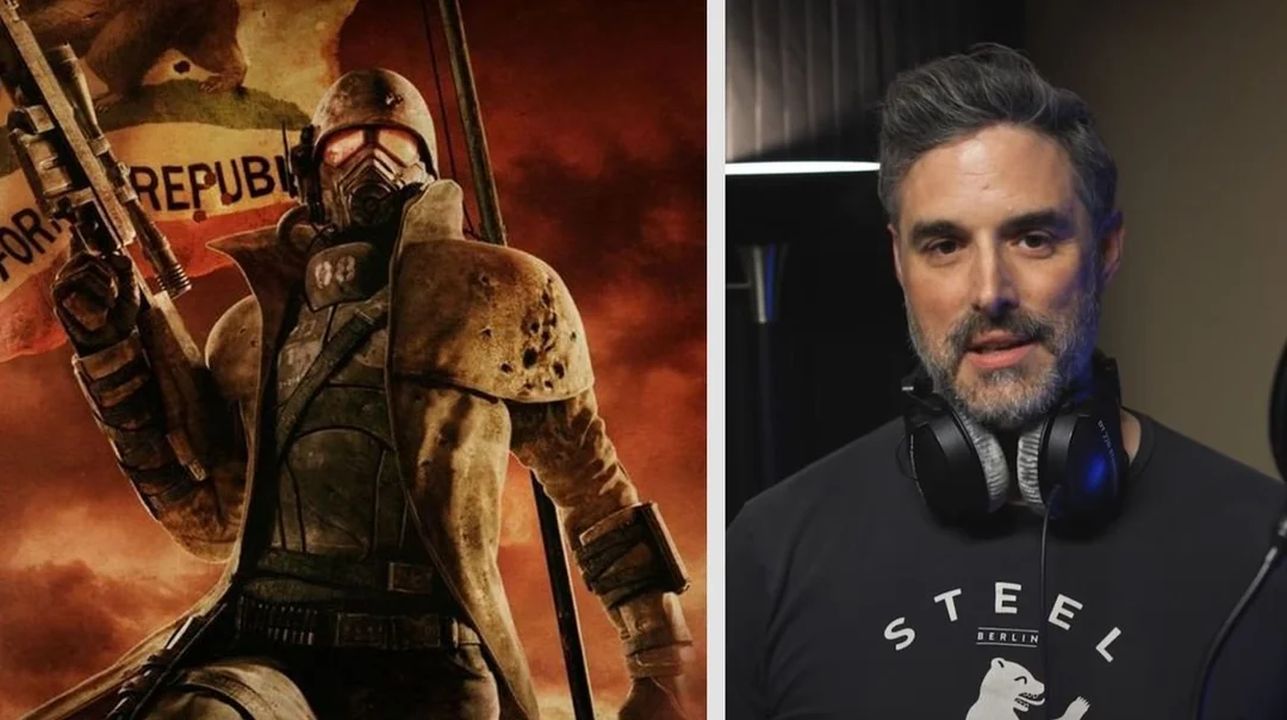
It’s hard to believe that after 26 years in the gaming industry, someone can still feel they could be fired at any moment—but that’s exactly how Josh Sawyer feels.
Josh Sawyer began as a hobbyist creating and playing tabletop RPGs, but his passion evolved into a legendary career. He got his first job at Black Isle Studios in 1999 and currently serves as design director at Obsidian Entertainment, where he has led the development of games such as Fallout: New Vegas and Pillars of Eternity 1 and 2. Despite his current role and numerous acclaimed titles over the years, Sawyer believes job security is worse than ever for him and other developers—a point he shared during his keynote speech at GCAP, a game development conference held in Melbourne, Australia.
In 26 years, Sawyer said he’s never truly felt secure in his job—not even now. In fact, he feels less secure than ever, which he finds deeply troubling. The gaming industry today is vastly different from when he started. Back then, AAA development teams were typically composed of 15–40 people with diverse skills, all working under intense pressure to finish their projects. For instance, Halo: Combat Evolved was made by a 40-person team, and Grand Theft Auto III by just 23 people. Today, modern titles like the latest Grand Theft Auto entries are created by teams that can number in the thousands.
According to Sawyer, larger teams haven’t resulted in greater job stability—or necessarily better working conditions. Instead, the industry has seen an increase in contract-based and short-term work, with widespread burnout replacing the traditional crunch. Games are bigger than ever, and that’s one of the core causes of the problem. Development cycles that once averaged 10–36 months in the 2000s now stretch to 5–8 years. While not every developer stays for the full cycle, those who do often find themselves mentally and physically exhausted. Salaries haven’t necessarily improved either. With remote work becoming more feasible, studios often outsource tasks to the lowest bidder—forcing many developers to scrape by for a living wage or even basic healthcare in places like the U.S.
Still, remote work isn’t entirely negative. Sawyer highlighted one area of improvement: diversity. Thanks to both cultural shifts and remote collaboration, he’s seen a major positive change. During his first five years, he didn’t work with a single female developer. He added that while queer and transgender people existed in the industry, it was rare to find those who felt safe and comfortable being open about it. People of other nationalities were also uncommon—something that’s in sharp contrast with today’s much more inclusive environment.
Overall, the veteran developer painted a picture of an unstable industry—a surprising reality given the massive revenue gaming generates. If someone like Sawyer feels less secure in his job now than decades ago, despite the industry’s growth, it’s hard to imagine many developers feeling safe in their positions.
Source: PCGamer















Leave a Reply