
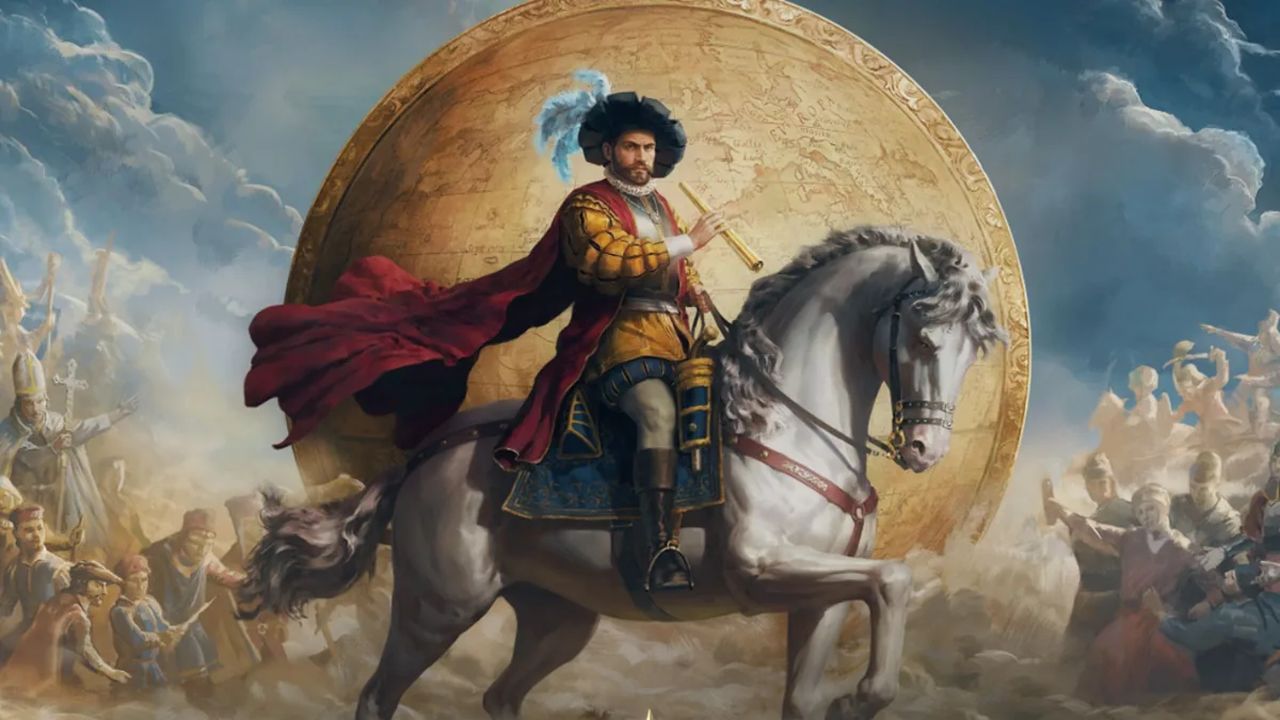
TECH NEWS – Johan Andersson says the approach works because developers control both scope and timing.
If you’ve played Paradox’s 4X and grand strategy games, you know they enjoy exceptionally long lifespans, extended by a steady cadence of paid DLC ranging from small add-ons to major expansions. That doesn’t always go smoothly—Europa Universalis IV has had its rough patches. But Johan Andersson, lead on Europa Universalis V, argues the problem isn’t the DLC strategy itself. In fact, he says the model has succeeded both logistically and financially.
“When we started using that system, we were a 12-person studio. That was around the time Crusader Kings II launched, and we were working on EU4. I don’t even know how big PDS Stockholm is today—300, 400, 500 people? We have multiple pipelines keeping titles alive, so I’d say it’s a great system, at least by success metrics. With this approach, as a game director you have full control: you decide what goes in, the scope, and exactly when and what to release. It’s on you and your team to deliver a great product.”
“Early DLCs were us finding our way. Conquest of Paradise was the first big one. We asked: what should we do? Let’s make a randomized New World—it kind of worked. Eventually you run out of ideas: we promised a naval-focused one but couldn’t land a great design, so we ended up with Mare Nostrum. If you Google it, nobody hates it, nobody loves it—it’s just middling,” Andersson said.
Despite recent challenges, Paradox is now a much larger publisher with five internal teams. Drawing on his Paradox Tinto experience, Andersson says the DLC model is beneficial for both business and growth. Asked whether EU4 players moving to EU5 might feel something’s missing, he said they’d thought about it a lot, but there’s little cause for concern: nearly every feature added to EU4 via patches or free updates has been ported or replaced by a new system.
Regarding Europa Universalis V DLC plans, Andersson hopes the Paradox model remains fruitful.
Source: PCGamer














Leave a Reply