
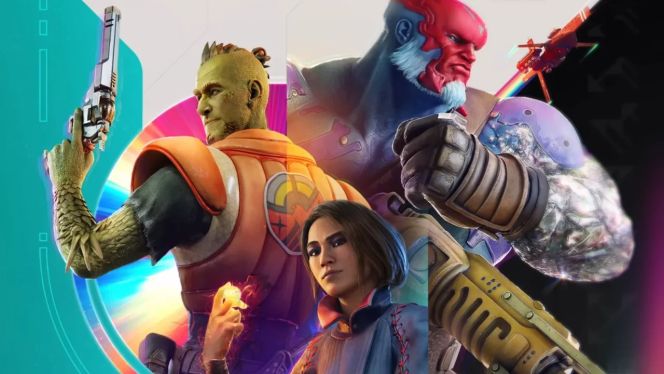
Concord has become a touchstone in Westminster for how badly players can be burned. MP Ben Goldsborough pointed to Firewalk and Sony’s shooter to make the case for stronger safeguards for gamers.
The abrupt shutdown of Concord, Sony’s multiplayer title that launched in August 2014 and was pulled in September the same year, made it to the House of Commons. During a recent debate, several MPs used the game to argue for tighter consumer protections and better preservation of video games. The discussion unfolded amid anxiety over the future of live service models and the growing Stop Killing Games movement.
Ben Goldsborough led the session and underlined the sector’s cultural and economic weight: £7.6 billion in value and 75,000 jobs. He stressed that players invest more than money: “time, effort, imagination, and friendship.” When a game is suddenly withdrawn, that personal value is wiped out. He called for stronger industry responsibility and a commitment to digital preservation: “This is about fairness, creativity, and protecting a cultural legacy the U.K. should be proud of.”
Sony’s Notice On Concord’s Shutdown Fell Short
MPs cited how Concord, after a disappointing launch, was quickly taken down by Sony as a business decision, cutting off access. Although refunds were offered, the point was made that this should not be the default remedy. “When publishers fail to state a game’s lifespan at purchase, they must be held accountable,” one member said, referencing the 2024 Digital Markets, Competition and Consumers Act, which requires clarity about the functionality and longevity of digital products.
Some argued that companies should carry a preservation duty or permit communities to keep titles running on independent servers. Others noted legal and technical hurdles, yet still acknowledged the need for “natural justice”: customers who pay for a digital product should be able to use it for as long as they wish.
Despite broad public support for consumer rights, the government said it does not plan to change current law. Even so, the debate highlighted a growing risk: recent, major releases can disappear entirely once online support ends. Concord’s case shows the pitfalls of short-lived service models and, unexpectedly, fuels the push to preserve and access games as part of our digital cultural heritage.
Source: 3djuegos















Leave a Reply