
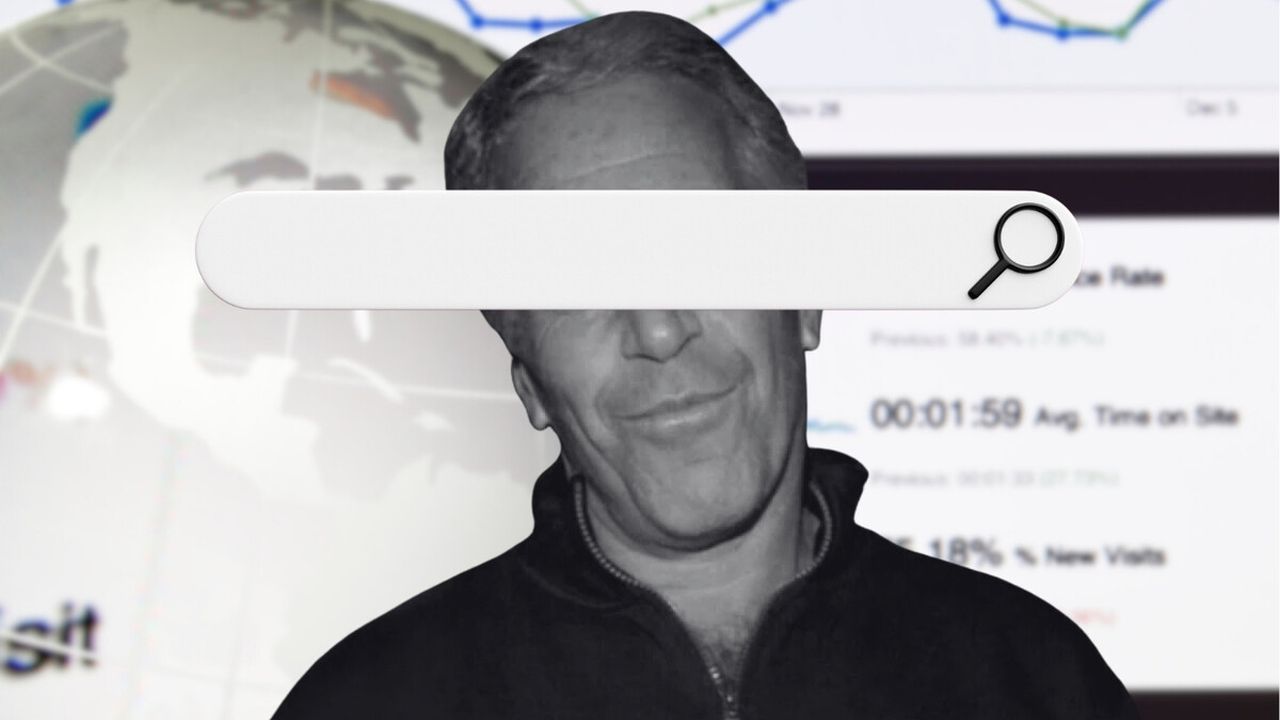
Long before most people realized how powerful search engines really were, Jeffrey Epstein had already found a way to turn Google SEO into a shield. The convicted sex offender spent years trying to scrub his name from the world’s biggest search engine, using a tactic that looks like routine reputation management on the surface, but in practice became a corrosive, deeply harmful tool to hide his crimes.
By December 2010, Jeffrey Epstein was already officially registered as a sex offender, yet he had become fixated on a single goal, making his name disappear from Google. For weeks, he obsessed over the search results that the tech giant showed about him, while pouring tens of thousands of euros into different attempts that never seemed to change much. At that point, Al Seckel, one of his closest contacts, stepped in and laid out, step by step, what Epstein needed to do if he wanted to erase his Google history.
Seckel believed the real leverage was on high-visibility platforms such as Wikipedia, along with magazine features and similar publications. From there came the idea of artificially boosting the online presence of another Jeffrey Epstein, linked to the hair industry, a move meant to push the negative stories down the results page and blur the evidence that tied him to sex crimes. Epstein then launched a string of maneuvers that slowly solidified into a very specific, tailored strategy.
How Jeffrey Epstein Twisted SEO To His Advantage
A cache of leaked internal emails shows that Epstein and his inner circle built a deliberate technical SEO and PR campaign. With it, they managed to push critical news stories about him down the Google rankings, while promoting more favorable content and spinning up a full-blown crisis communications operation to polish their online image. One of the most striking tactics was the systematic promotion of “other Jeffrey Epsteins”, which helped inflate the number of neutral or positive results attached to that name.
At the same time, they uploaded non police photographs to Google Images and tinkered with search suggestions to strip out toxic terms connected to his offenses. Taken in isolation, these actions look like standard SEO best practices, since they lean on engaging content backed by links from reputable outlets. In this case, though, they were deployed for a purpose that is as sinister as it is chilling, laundering the online reputation of a billionaire pedophile with powerful connections.
Wikipedia was one of the key battlegrounds. Seckel celebrated that the article headings played up Epstein’s philanthropy and foundations without mentioning sex crimes at all. He even claimed to have “hacked” the site by swapping out the mugshot for a much more flattering portrait. Subsequent investigations uncovered signs of possible paid or coordinated edits that, for example, changed the word “girls” to “escorts” and amplified the charitable angle, softening the tone around the allegations without fully deleting them.
Despite his enormous wealth, Epstein constantly pressured everyone involved to keep the costs as low as possible, leaning on and squeezing the people he hired. Experts estimate that an operation of this magnitude would normally run to around €86,000, plus monthly maintenance fees in the range of €9,000 to €13,000. Epstein, however, only wanted to pay €8,500. Tragically, the effort still worked well enough that, for years, he was more often presented to the world as a philanthropist than as a sexual predator.
Source: 3djuegos


![[TGA 2025] Tomb Raider: Legacy of Atlantis: Another Remake of the First Game! [VIDEO]](https://thegeek.games/wp-content/uploads/2025/12/theGeek-Tomb-Raider-Catalyst-Legacy-of-Atlantis-Remake-Crystal-Dynamics-302x180.jpg)



![[TGA 2025] Tomb Raider: Legacy of Atlantis: Another Remake of the First Game! [VIDEO]](https://thegeek.games/wp-content/uploads/2025/12/theGeek-Tomb-Raider-Catalyst-Legacy-of-Atlantis-Remake-Crystal-Dynamics-300x365.jpg)


Leave a Reply