
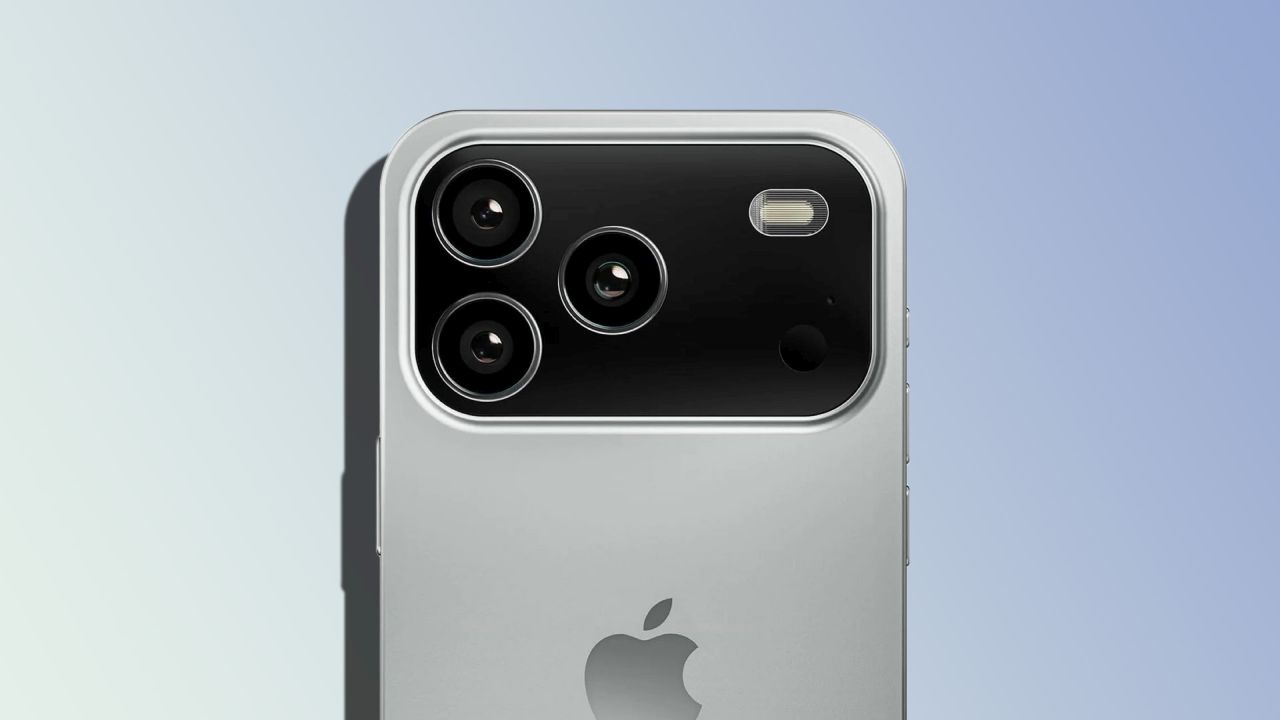
TECH NEWS – The two most expensive models may cost even more next year, but Apple may be able to offset this by using its own chips.
However, Apple is not immune to memory shortages, which is why the price of the iPhone 18 Pro/Pro Max is likely to increase. However, the company’s proprietary chips could be a decisive factor in this regard. According to UDN, Apple is facing challenges due to memory shortages, which could lead to price increases for the iPhone 18 Pro/Pro Max next year. Apple has already raised prices for the iPhone 17 series, so depending on negotiations with memory manufacturers, prices could increase by an additional $50-$100.
The company also plans to launch the iPhone Fold alongside the iPhone 18 family next year, which will mark Apple’s first foldable flagship. Therefore, 2026 will see the release of an expensive series, and the memory shortage isn’t helping the situation. Fortunately, unlike other phone manufacturers who must source components from various suppliers, Apple has increased the number of custom chips in its devices. The A20 and A20 Pro chips will be used exclusively in the iPhone 18 Pro, iPhone 18 Pro Max, iPhone Fold, and base iPhone 18 models. These system-on-a-chip (SoC) devices will use TSMC’s 2nm manufacturing process, making them more expensive than the A19 and A19 Pro. However, since Apple doesn’t have to pay Qualcomm or MediaTek, the company will ultimately save money.
This year, the C1 and C1X 5G modems appeared in the iPhone 16e and iPhone Air. The C2 is reportedly under development and will likely be found in the entire iPhone 18 series. The next-generation baseband chip is reportedly being mass-produced using TSMC’s 4nm process, which saves Apple millions of dollars in wafer costs. Previous estimates suggest that the C1 5G modem in the iPhone 16e saves the company $10 per unit sold. Based on previous shipment figures of 22 million iPhone 16e units, Apple will save $220 million, not to mention avoiding Qualcomm royalties for using its technology. The N1 wireless chip debuted in the iPhone 17 models. Whether Apple sticks with the N1 or introduces the N2 with the iPhone 18, it won’t have to pay Broadcom or any other company because it will be using its own hardware.
While we don’t have an exact estimate, we know that Apple will save enough by using three custom chips in the iPhone 18 lineup to comfortably weather the memory shortage without having to sell its flagships at a higher price than originally intended.













Leave a Reply