
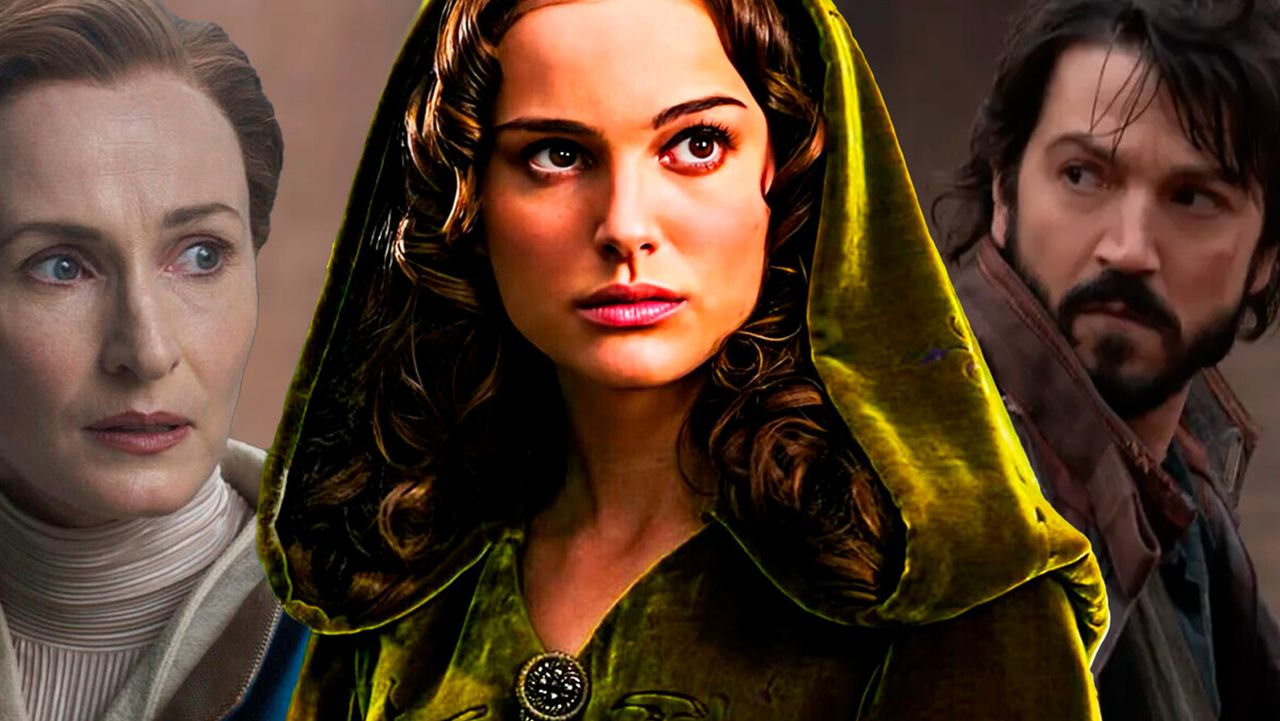
MOVIE NEWS – It may sound like a small piece of trivia, yet a single deleted Star Wars scene has reshaped how the saga tells the birth of the Rebel Alliance and even what you see in Andor. By cutting the original canonical starting point of the Rebellion from one of the prequels, George Lucas quietly opened the door to an entire galaxy of new anti-imperial factions.
Throughout the Star Wars saga, there are moments that casual viewers barely know, yet they are fundamental to this mythology and become treasured pieces of lore for the most devoted fans. The beginning of the Galactic Civil War between the Empire and the Rebels is one of the most complex parts of that story, and it is still expanding through series, films, and video games more than forty years after Luke destroyed the first Death Star. Although this storyline is split across different fronts and decisive turning points, it is fascinating to revisit the canonical origin that George Lucas initially conceived to ignite the Rebellion in a galaxy far, far away, only to later back away from that idea.
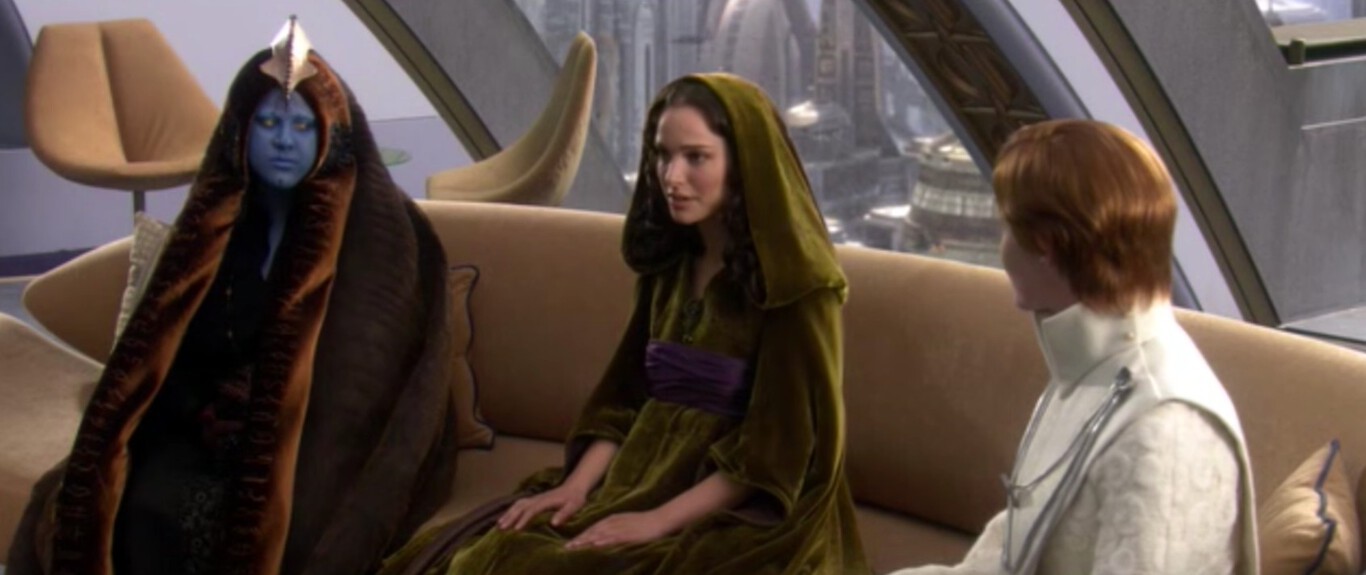
The starting point of the Rebellion in Star Wars, and of this article, lies in a deleted scene from Star Wars: Revenge of the Sith. In Lucas’s first version, there was a sequence in which key figures such as Padmé Amidala, Bail Organa, and Mon Mothma meet in secret and sketch out the foundations of an organized resistance to Palpatine and his authoritarian regime. That scene was meant to be the canonical first spark of the Rebellion, but it never made it into the theatrical cut of the film.
The Delegation of Two Thousand and the first rebels
The deleted Revenge of the Sith scene was originally designed as the audience’s first clear encounter with the Rebellion in the Star Wars universe. At a crucial point in the story, Padmé Amidala leads the so-called Delegation of Two Thousand, a bloc of senators who openly oppose Chancellor Palpatine’s ever more aggressive, war-driven, almost fascist political machine. The scene shows how Amidala and her allies, including Mon Mothma and Bail Organa, try to build a united political front against the growing imperial oppression.
Even though this material was removed from the final cut, Pablo Hidalgo’s Star Wars reference guides confirm that the events are still considered canon and reflect George Lucas’s original intention. The Delegation of Two Thousand represents a last-ditch attempt to restore democracy and roll back Palpatine’s emergency powers. The move comes too late, however, because the Chancellor has already consolidated near absolute control. Despite its failure, the creation of the Delegation marks the official beginning of the struggle against Palpatine, which makes this deleted scene a key milestone in the Star Wars narrative. Once Lucas removed it from the movie, later storytellers were free to expand and enrich the early days of the Rebellion without being locked into the exact version shown in that meeting.

The Rise of the Rebellion: Mon Mothma, Andor, and Star Wars Rebels
Cutting the scene did not simply alter a few character arcs; it also changed how viewers perceive the birth of the Rebellion. The omission does not break the plot of the prequel, but it would have given a more explicit frame to the timeline of Star Wars. Even though Lucas threw it out, the rise of the Rebellion has remained one of the central threads of the franchise, and it has been explored along several different paths, especially in projects like the series Andor and the film Rogue One: A Star Wars Story, which put Mon Mothma at center stage.
The importance of that idea is fully realized in Andor and in the animated series Star Wars Rebels, created by Dave Filoni and his team of writers, specialists in adding new layers to Star Wars while tying up loose ends and bringing story arcs to a close. The second season of Andor dives back into this political backdrop and firmly establishes Mon Mothma as the figure who carries the weight of the Rebellion on her shoulders. In doing so, it pushes the focus away from Padmé and the Delegation of Two Thousand that the prequels hinted at, even if they are never fully erased from the picture.
In the season two finale of Andor, and in season three of Rebels, fans witness what may be the most thrilling turning point in this part of the saga: the first open call to revolt against the Empire. Far removed from backroom negotiations and small skirmishes, this sequence stands out as one of the most powerful moments in any Star Wars series. Mon Mothma, once again played by Genevieve O’Reilly, formally declares rebellion against Palpatine’s rule. That speech marks the true birth of the Rebel Alliance, bringing disparate cells under a common banner in order to resist the Empire’s oppression.
The shows not only highlight Mon Mothma’s courage, but they also delve into her complexity, her personal sacrifices, and the price she pays for the cause. Andor in particular expands her beyond the role of distant political leader and reveals the cracks in her private life. Her address to the senate, where she calls for an uprising, becomes the defining moment for the character and a hinge on which the whole arc of the Rebellion turns.

New fronts on the map of Rebellion
That speech turns Mon Mothma into a central icon of the resistance and of the Rebellion, a role she keeps throughout the timeline, even beyond the events of Return of the Jedi and into the birth of the New Republic that series like The Mandalorian and Ahsoka explore. The road is anything but smooth because her call to arms does not instantly unite every group that opposes the Empire. Stories from recent years, such as the game Star Wars Jedi: Fallen Order or the repeated appearances of Saw Gerrera and his fighters, have shown just how fragmented and contradictory the broader movement can be.
Gerrera’s partisans, introduced to mainstream audiences in Rogue One: A Star Wars Story and further explored in Andor, together with the small but determined group led by Enfys Nest in the film Solo: A Star Wars Story, offer a far more radical view of the struggle against the Empire. Their extreme tactics sharpen the tensions and disagreements inside the Rebellion, making it clear that this is not a single, unified front but a messy network full of moral grey areas. Ahsoka Tano’s role in building secret cells and working from the shadows adds yet another layer of complexity.
As a former Jedi apprentice and seasoned fighter, Ahsoka plays a crucial part in shaping what will become the Rebel Alliance. Using her experience, she connects isolated resistance groups into a loose network that stays closely tied to the remnants of the legitimate, pre-imperial Republic. This evolving structure becomes the seed of the Alliance, where Leia Organa and Luke Skywalker will one day fight, under the authority of a council led by Mon Mothma.
It is striking to realize that removing a simple dialogue scene between politicians in Lucas’s last prequel film paved the way for so many rich storylines years later. The gradual elevation of Mon Mothma as one of the Rebellion’s main leaders and all the new elements added to the timeline make this galactic narrative far more layered. Looking back, Lucas’s decision to cut that scene seems almost visionary, because it opened the door to a deeper and more nuanced way of telling the story of the Rebellion.
Source: 3djuegos









Leave a Reply