
The entertainment industry has been rocked by a deal that could redefine its balance of power: Netflix is buying Warner Bros., including its film and TV studios and the HBO Max streaming service, for a staggering $82.7 billion. Most of the discussion so far has focused on what this means for movies and streaming, but another multi-billion-dollar business has been quietly pushed to the sidelines: video games. With several major game studios caught up in the transaction, and given Netflix and Warner’s recent track record in the medium, there is growing unease about what comes next.
Today’s bombshell is simple to state and hard to overstate: Netflix is acquiring Warner Bros., taking control of its film and television operations as well as HBO Max in a deal valued at $82.7 billion. Commentators are already calling it one of the most significant acquisitions in entertainment history, and the immediate debate quite naturally revolves around cinemas, traditional studios and rival streaming platforms. Yet one crucial question has barely been addressed in the official communications: what happens to Warner’s game business and to the studios that have helped define modern blockbuster gaming?
Like many media giants, both Netflix and Warner Bros. have spent years investing money, talent and infrastructure into video games, even if their core business remains film and television production. That is why most early analysis of the deal has focused on catalogs, licensing and streaming strategies. However, a brief conversation with representatives involved in the acquisition has shed light on the fate of the video game developers under Warner’s umbrella – and while the answer will not surprise anyone who follows the industry, it does raise serious concerns.
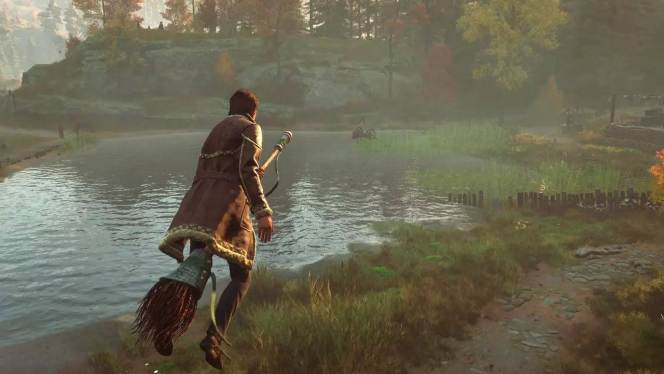
Netflix Games Is Turning Into A Giant
Noticing that Netflix’s official announcement barely mentioned games, Game Developer reached out to clarify how the gaming side fits into the overall strategy. A Warner Bros. Discovery spokesperson confirmed what many had suspected: the digital titles division – including studios like NetherRealm (creators of Mortal Kombat), Rocksteady (responsible for Batman: Arkham and Suicide Squad: Kill the Justice League), and TT Games (the team behind the LEGO games) – will be folded into Netflix Games. This integration will, of course, depend on regulatory approvals and on the acquisition closing, which those involved expect to happen sometime in the next 12 to 18 months.
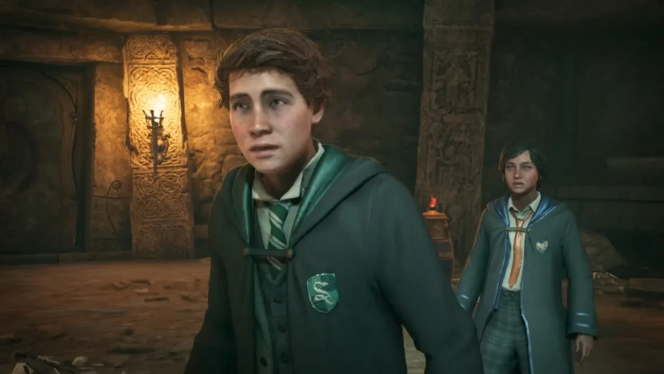
In other words, this is also a landmark deal for the video game industry. By absorbing Warner’s gaming division, Netflix will significantly expand its studio portfolio: it will become the new home of the Hogwarts Legacy team – and by extension of the Harry Potter game franchise – as well as the developers of one of the most influential fighting series in history, not to mention Rocksteady, a studio long celebrated for its single-player, story-driven experiences (except the poorly received Suicide Squad outing). On a local note, the merger likely means that Cenega Hungary will lose the Warner Games portfolio it has been distributing so far, a change that some in the region will not exactly mourn.
The real issue, however, is not the structure of the deal but the way both companies have treated their gaming operations in recent years. While Netflix and Warner can both point to notable successes in the video game space, their most recent strategic choices have largely revolved around budget cuts, studio closures, project cancellations and a sharp rollback of the ambitious expansion plans that once accompanied their entry into the sector. Against this backdrop, folding even more studios into these ecosystems does not automatically inspire confidence.
A Worrying Track Record And Big Question Marks Ahead
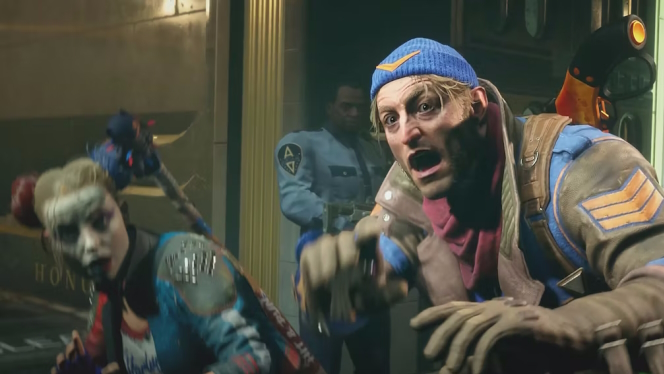
To understand why developers and players are nervous, it is enough to look at the latest gaming-related headlines tied to Warner Bros. and Netflix. Warner is far from a newcomer to the medium, but its recent history has been a roller coaster. In 2023, Hogwarts Legacy delivered a spectacular, unprecedented hit, both in revenue and in player numbers. Just a year later, Suicide Squad: Kill the Justice League landed with a thud, becoming a high-profile commercial and critical failure that weighed heavily on the company’s finances.
MultiVersus launched strongly in early access and quickly built a sizable community, only for its servers to be shut down in 2025. Shortly afterward, Warner closed down its developer, Player First Games. The fallout did not end there: the Wonder Woman project was quietly scrapped, and Monolith Productions – the studio behind it – was effectively taken out of the picture as well. Looking ahead, Warner has stated that it wants to focus on its strongest IPs and acknowledges that players are clamoring for a single-player Batman experience. Yet the next DC title is reportedly set to follow in the footsteps of Suicide Squad, with a strategy that leans heavily on Games as a Service (GaaS) models.
Netflix, for its part, has only had a modest presence in the games market, but even in that short time, it has dramatically reshuffled its approach, with serious consequences for several of its internal and external teams. The company bought Night School Studio, Next Games, Boss Fight Entertainment (now closed), and Spry Fox (recently sold off). It also founded Team Blue (now shuttered) and a studio in Finland. There are many titles currently in development, including several based on big IPs such as Stranger Things, but Netflix has yet to score a truly defining, industry-shaping gaming hit.
That said, its catalog has managed to attract some subscribers on the strength of certain releases, such as bringing the first Red Dead Redemption to the service. Still, the overall picture is that Warner has taken a series of worrying decisions regarding its game subsidiaries, while Netflix has just as quickly downsized or restructured many of the studios it acquired. For observers, this is hardly reassuring context for an acquisition that now places even more developers under the Netflix Games banner.
It is, therefore, no surprise that the idea of already precarious studios like Rocksteady being absorbed into Netflix Games has set off alarm bells. Mega-deals of this scale almost always come with layoffs, consolidations, and the closure of teams or projects that do not fit the new owner’s long-term vision. The fact that the gaming business was largely glossed over in the acquisition announcement suggests, once again, where the true priorities lie: the film and television catalog sits in the spotlight, while game developers risk becoming just another line item in a massive corporate integration plan.
Source: 3djuegos




![MobLand Season 2 Returns with Blood, Chaos and a New Trailer [VIDEO]](https://thegeek.games/wp-content/uploads/2026/08/SKYSHOWTIME_MobLand_S2_1-302x180.jpg)


![Gears of War E-Day Is Getting a Limited-Edition Xbox Controller! [VIDEO]](https://thegeek.games/wp-content/uploads/2026/08/theGeek-Gears-of-War-E-Day-controller-302x180.jpg)



Leave a Reply