
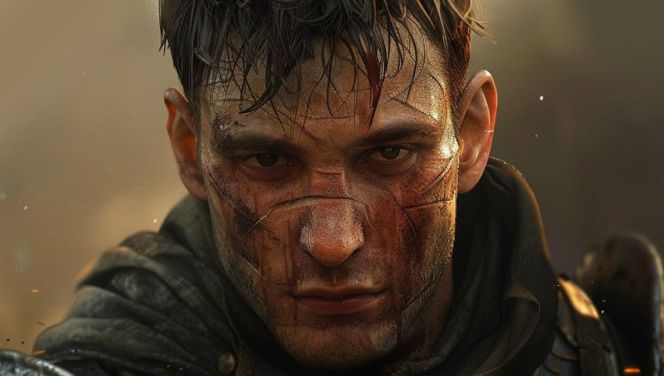
The RPG that many see as a potential Game of the Year 2025 contender drew negative reactions during early tests, but that feedback turned out to be crucial for the creators of Kingdom Come: Deliverance II. Players start extremely weak, and some complained that one mistake could spiral into serious consequences, yet the studio believes that this is what makes progression feel truly rewarding.
Warhorse Studios had a clear target while building Kingdom Come: Deliverance II. Alongside delivering a realistic medieval RPG experience, the team wanted players to feel that every step forward is earned. That philosophy, however, was criticized in early internal tests, where some participants felt Henry begins the game in a dangerously vulnerable state. In their eyes, a single bad decision could trigger major setbacks. Did the developer respond by softening the opening hours? Not at all. If anything, the team was pleased that testers felt exactly what they intended.
Lead designer Prokop Jirsa explained this approach in an interview with GamesRadar+, offering insight into both the early complaints and the studio’s broader mindset. “We had playtests where some players would start a game, do something wrong, and be immediately arrested, and they would leave negative feedback”, he says. “We had the strength to say, ‘Yes, that’s what we want.’”
Most developers would dread a wave of angry reactions, but for Warhorse Studios, the experience reinforced their vision for Kingdom Come: Deliverance II. “We want the player to feel extremely weak at the beginning”, Jirsa continues. “Because then, the validation of gaining strength feels deserved.” The team understood the demands of making an RPG that leans into consequence and survival, and there were moments of genuine “fear” about committing to that direction. Still, the success of the first Kingdom Come: Deliverance and other comparable games helped solidify their confidence.
Warhorse Studios Had Doubts About Its Philosophy
“There were a lot of debates, ‘Are we really on the right track? Are we truly interested in these survival elements? Do we want to take everything away from the player right from the start of the game? Even a place to sleep? Jirsa recalls. Even so, the team chose to stick with an audience that appreciates challenge and early hardship – an audience that, as he notes, is no longer small.
He points to FromSoftware as proof that ideas once considered niche can break into the mainstream. “With Dark Souls and Elden Ring, they took something that was very niche to the mainstream audience and were very successful”, he says. “Honestly, I think there’s great potential for original ideas that, given the opportunity to be polished, can reach a mainstream audience.”
In the end, Kingdom Come: Deliverance II appears to have benefited from doubling down on the very experience that some playtesters initially criticized. Warhorse Studios’ medieval epic has not only established itself as one of the year’s standout games but has also become a common pick as a potential Game of the Year 2025 contender. It’s a strong sign that many players love a progression curve where the protagonist truly starts from the bottom.
Source: 3djuegos















Leave a Reply