
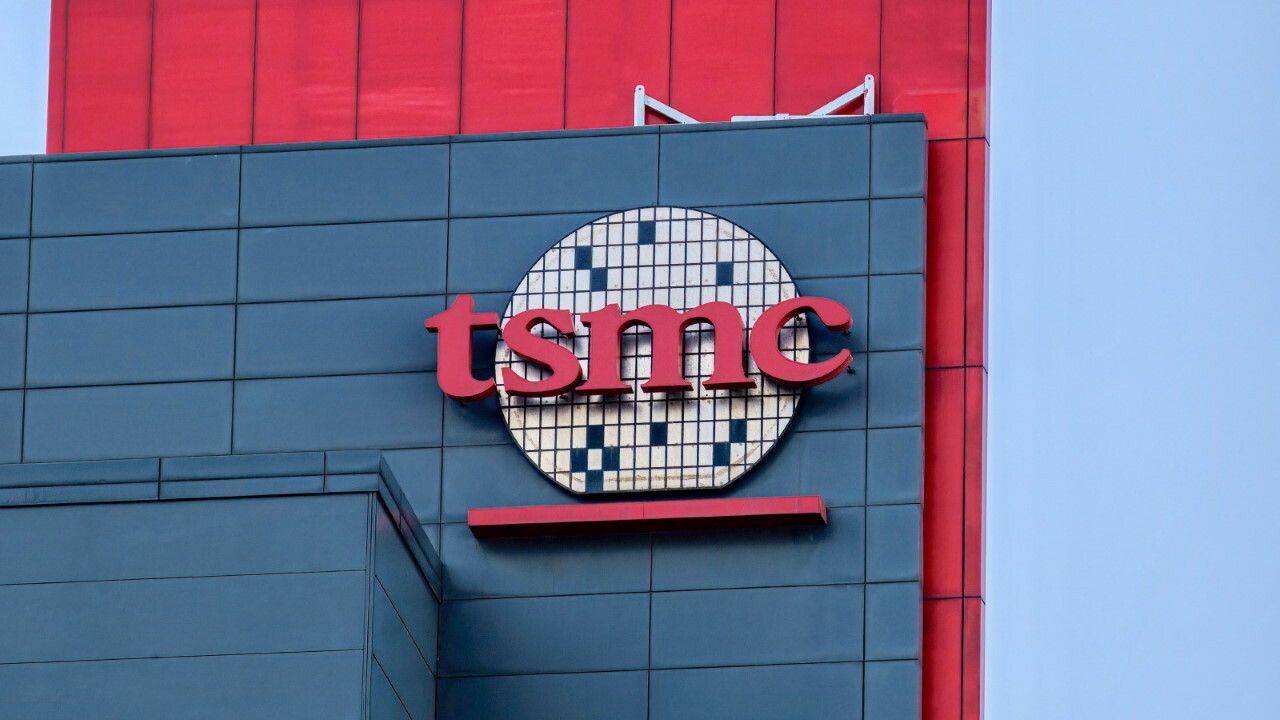
TECH NEWS – Over the next four years, the Taiwanese chip manufacturer will raise prices for its most advanced nodes due to the artificial intelligence boom.
Demand for TSMC’s 2-nanometer silicon wafers has caused supply shortages, as the Taiwanese semiconductor giant’s capacity is fully booked for another year. As the company continues to benefit from the booming AI sector, customers using TSMC’s advanced manufacturing processes have been informed to expect price increases for four consecutive years starting in 2026. Although the first quarter of 2026 is typically a slow period, analysts remain optimistic that these price hikes will help TSMC maintain strong momentum. Customers, however, must prepare financially, as the first round of increases is expected to take effect on New Year’s Day.
Despite the fact that prices for sub-3nm silicon wafers are expected to rise for four consecutive years, TSMC’s customers are not backing away, even though they have the option to place orders with Samsung and its 2nm GAA process. TSMC plans to introduce a single-digit price increase in 2026, although the exact amount will depend on order volume and contractual agreements. Research firms estimate that prices for TSMC’s advanced technologies will rise by 3–10%. The company’s 3nm node, previously expected to reach maximum capacity and face supply shortages by 2026, is projected to see a 3% price increase that year. Thanks to its strong track record and reliability, TSMC has effectively become a victim of its own success, as AI-driven demand has led to labor shortages and massive increases in capital investment.
Apple, which was previously reported to be TSMC’s largest customer in 2024 with a 24% share of total revenue, has reportedly secured more than half of the initial 2nm capacity for its A20 and A20 Pro chipsets. This leaves competitors such as Qualcomm and MediaTek with limited options: accept smaller allocations or transition to the more advanced 2nm N2P process. TSMC has attempted to counter this surge in demand by constructing three facilities dedicated to 2nm production, though it will take time before manufacturing can begin at these sites.
Ultimately, this will almost certainly push the prices of certain products slightly higher.







![The System Requirements for Fable Are In! [VIDEO]](https://thegeek.games/wp-content/uploads/2026/08/vnews-05-fable-1280x720-1-302x180.png)







Leave a Reply