
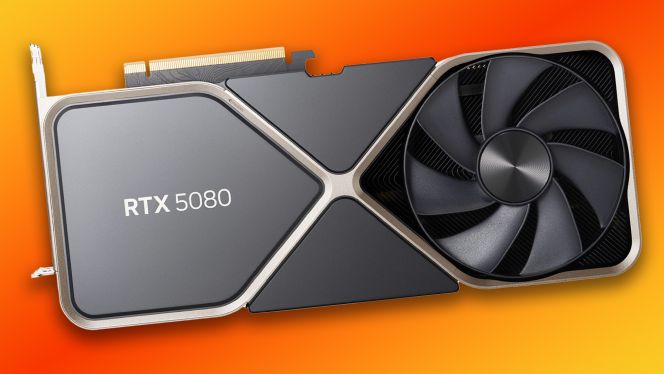
TECH NEWS – Nvidia’s graphics cards come with 16 GB of VRAM as standard, but they are offering even more in Asia.
The ever-booming AI industry will soon complicate matters for PC manufacturers as it directly competes with them for consumers and reduces supply. We may soon see a shortage of consumer GPUs because they are being modified to meet local AI demand. In China, for example, Nvidia GeForce RTX 5080 graphics cards are being modified to double their VRAM to 32 GB, making them ideal for AI applications. This could lead to a shortage of Blackwell architecture GPUs, which are expected to become more expensive as early as next year. (As we previously reported, AMD will take a similar step.)
a gpu repair technician in china claimed 5080 32g has already been a thing.
“””
目前5080呢
已經是可以成功改32G了
改32G渦輪
所以後期的拆芯片改渦輪呢
應該是還是會很多的
所以我感覺5080的價格有可能會起飛
“””bilibili 智强显卡工作室https://t.co/X9ygzxd523 pic.twitter.com/Y6TGUbbsvo
— UNIKO’s Hardware 🌏 (@unikoshardware) December 26, 2025
This modification is ideal for AI workflows. The 32 GB version uses three 1 GB GDDR7 memory modules, doubling the factory capacity of 16 GB. These modified cards have a blower design, which improves heat dissipation and is ideal for multi-GPU configurations in workstations. It is unclear how long these cards will last since their factory performance configuration has been increased to match the increased memory capacity. However, since computing power is much more important for AI workflows, the lifespan of these GPUs is unlikely to be an issue for users.
As these 32 GB RTX 5080s become more popular, a shortage of these cards may occur in 2026. Additionally, Nvidia is reportedly reducing its Blackwell supply by 50% next year and will raise prices on this product line immediately after the existing memory supply contract expires. If these 32 GB RTX 5080 GPUs prove successful, however, the tech giant may be willing to launch Super versions. These were previously rumored to have been canceled due to rising memory prices and inflation. It is more likely, though, that the product line will simply be delayed. In any case, 2026 looks to be a painful and expensive year for PC components.
Source: Tech4gamers













Leave a Reply