
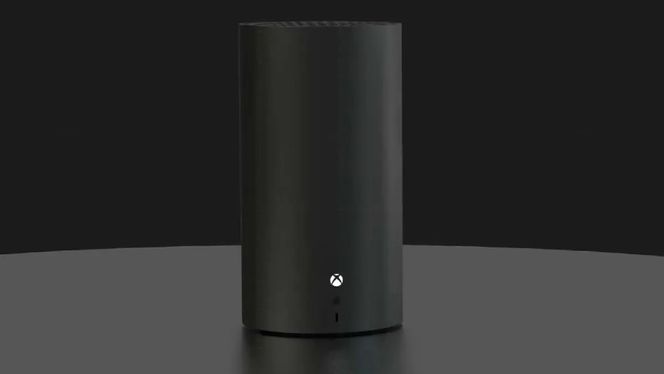
According to a new rumor, Microsoft is shifting the Xbox brand towards PCs in light of the new generation of hardware.
A few days ago, during AMD’s fourth quarter earnings call, CEO Lisa Su commented on the release of Microsoft’s next-gen Xbox and Valve’s Steam Machine. Regarding the latter, Su said that Valve planned to launch the product early this year. However, a few hours later, Valve announced that it would have to postpone shipping and finalize pricing due to a RAM shortage. Regarding the next-gen Xbox, Su stated that the product is scheduled for release in 2027. However, it seems that she was once again a little more hasty than customers would have liked.
Windows Central reported that Microsoft sources were somewhat surprised by her comment because there is no commitment to 2027 yet. While Microsoft would like to launch the console in 2027, there is still work to be done before committing to that date. The company wants to ensure that the underlying operating system and interface are mature enough. Therefore, 2027 is currently the best-case scenario because Microsoft’s vision for the next-gen Xbox hinges on successfully merging the console (Xbox) and PC (Windows) sides. The first step was the Xbox handheld PC, but much work remains. The console starts in Xbox mode with a console-like interface, but users can switch to full Windows 11 at any time. They can run any program and purchase games from other PC stores, such as Steam and the Epic Games Store.
Given this approach, it’s perhaps not surprising that the next-gen Xbox will reflect Microsoft’s vision in terms of specifications and price. However, other OEM partners, such as Asus and Lenovo, may offer their own versions that will be more or less powerful—and consequently more or less expensive—than Microsoft’s device. The publication does not reveal much about prices, only that Microsoft is clearly aiming for a more premium offering (after all, they promised the biggest technical leap yet). Due to the ongoing memory shortage and US tariffs, prices are currently difficult to determine.
Microsoft itself does not seem overly concerned if the launch price is slightly high because the transition between generations with the current consoles is expected to take longer than last time. This means users will be able to play on the Xbox Series for years before next-gen exclusive games are released. According to Windows Central, a first-generation Xbox handheld may be released later than expected, although the focus is currently on the main console.
Source: WCCFTech, Windows Central


![[TGA 2025] Tomb Raider: Legacy of Atlantis: Another Remake of the First Game! [VIDEO]](https://thegeek.games/wp-content/uploads/2025/12/theGeek-Tomb-Raider-Catalyst-Legacy-of-Atlantis-Remake-Crystal-Dynamics-302x180.jpg)



![[TGA 2025] Tomb Raider: Legacy of Atlantis: Another Remake of the First Game! [VIDEO]](https://thegeek.games/wp-content/uploads/2025/12/theGeek-Tomb-Raider-Catalyst-Legacy-of-Atlantis-Remake-Crystal-Dynamics-300x365.jpg)

Leave a Reply