
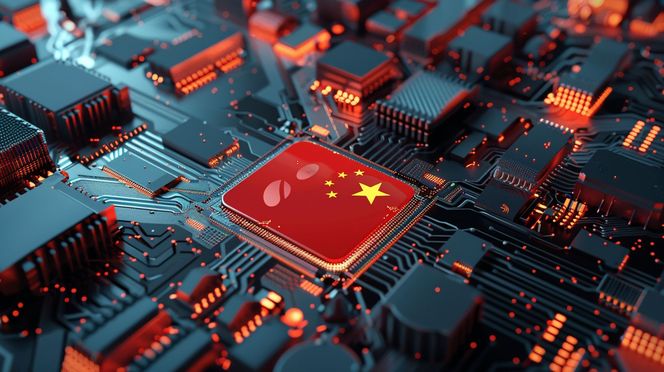
TECH NEWS – The narrative so far is clear: no matter which memory modules we choose, Western or Chinese, neither option will be cheap.
Just a few weeks ago, Chinese memory looked like it might become a “savior” for gamers, largely because manufacturers such as CXMT were not nearly as mainstream as the industry’s three dominant memory makers. That gap has narrowed fast. China’s RAM retail market has quickly caught up with global pricing: according to KingBank’s latest listing, a 32 GB DDR5 kit is now priced at 3,629 RMB on JD.com, which the report pegs at roughly $530 and around 169,000 HUF. That is essentially the same level Western alternatives charge for the same configuration, meaning the much-discussed price advantage has effectively disappeared.
KingBank is known for integrating CXMT DDR5 modules into consumer products, and the brand drew wider attention when the “Chinese memory” story first entered the mainstream. The pricing picture becomes even harder to ignore when looking at higher-capacity options: KingBank also offers a 64 GB DDR5-6000 configuration with a retail price above $1,000. That suggests gamers once treated CXMT as a cheaper alternative, but that assumption no longer holds, and Chinese memory makers do not look like viable low-cost options.
Capacity allocation is a major part of the backdrop. Memory manufacturers have every reason to prioritize corporate demand and cannot easily justify shifting valuable capacity toward the consumer segment, where returns are lower than what AI customers are willing to pay. The report also references recent talk that CXMT plans to convert a significant portion of its DRAM capacity to HBM3, which helps explain why regional DRAM producers are reluctant to gamble on the consumer business.
The one move that could still make sense for CXMT on the customer-facing side would be long-term agreements with companies such as HP, Dell, and Asus. Even then, the upside would mainly be securing DRAM capacity for PC makers, without necessarily delivering meaningful value in contract pricing, because the supply shortage is severe enough that every memory manufacturer is trying to capitalize on the AI boom.

![WARDOGS Hits Early Access in September, with a Closed Beta First [VIDEO]](https://thegeek.games/wp-content/uploads/2026/08/theGeek-WARDOGS-Early-Access-302x180.jpg)
![An ex-Bethesda Dev Says Including More than 1,000 Planets in Starfield Was a Bad Decision! [VIDEO]](https://thegeek.games/wp-content/uploads/2025/09/thegeek-starfield-nagy-1-302x180.png)


![A Modder Has Turned GeForce Now into a High-End Cloud PC! [VIDEO]](https://thegeek.games/wp-content/uploads/2026/08/theGeek-GeForce-Now-cloud-PC-302x180.jpg)



![Pregnant Anne Hathaway Shows Off Her Baby Bump at New Film Premiere [VIDEO]](https://thegeek.games/wp-content/uploads/2026/08/theGeek-Anne-Hathaway-302x180.jpg)

![WARDOGS Hits Early Access in September, with a Closed Beta First [VIDEO]](https://thegeek.games/wp-content/uploads/2026/08/theGeek-WARDOGS-Early-Access-300x365.jpg)
![An ex-Bethesda Dev Says Including More than 1,000 Planets in Starfield Was a Bad Decision! [VIDEO]](https://thegeek.games/wp-content/uploads/2025/09/thegeek-starfield-nagy-1-300x365.png)

Leave a Reply