
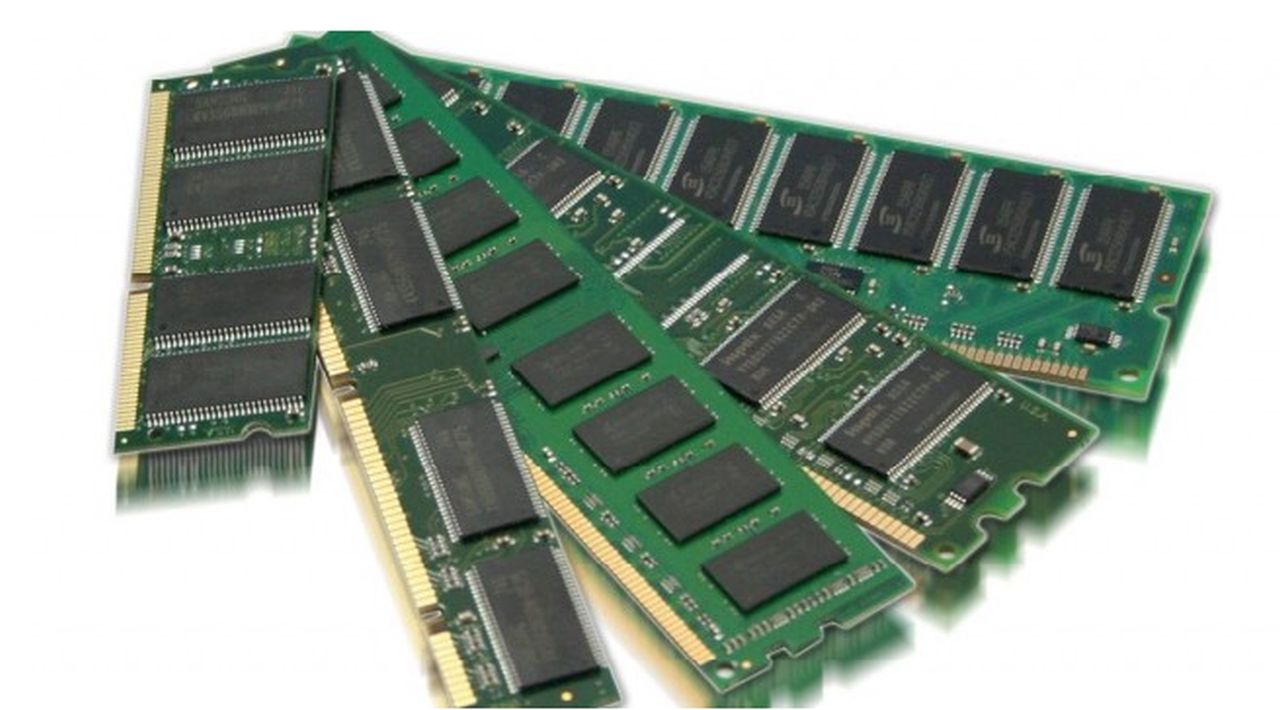
TECH NEWS – In just one month, memory and SSD prices have skyrocketed, meaning the average consumer will ultimately bear the brunt of the cost.
The latest data from the import-export division of the Korean Customs Service focuses specifically on the DRAM and NAND segments. The data clearly shows a surge in demand for DRAM and NAND, affecting all major technology components. Prices jumped by as much as 63% in a single month. The data compares the unit prices of individual DRAM and NAND product segments to those of the previous month. The price of DRAM (excluding memory modules) increased by 20.9% from April to May 10, 2026. The year-over-year price change is staggering, reaching a nearly 500% increase, clearly demonstrating the high demand for DRAM driven by the AI supercycle.
There was a slight decrease of 13.9% in memory products based on DRAM modules compared to the previous month and a 326.3% increase compared to the previous year. This includes DDR5 UDIMM, SODIMM, and RDIMM memory in standard DDR and LPDDR formats. However, the memory segment as a whole rose 28.8% and 326.3%, respectively, compared to last year. Prices for HBM memory standards rose 18.7% compared to last month and 165.5% compared to last year. Flash memory, also known as NAND flash and found in SSDs, primarily for storage solutions, showed the largest increase compared to last month (63.1%) and last year (351.6%).
Announcement of Provisional S.Korea Semiconductor Import/Export Statistics for May 2026 (~May 10)
(MoM growth rates based on the 1st–10th)
1) Memory
– Export Value: $6.2319 billion
(+253.7% YoY, +13.5% MoM)– Export Unit Price: $82,680/kg
(+326.3% YoY, +28.8% MoM)2) DRAM
— hedgedworld (@hedgedworld) May 11, 2026
The price increases are massive, and based on Samsung’s latest statements, the situation in 2027 will be worse than in 2026. DRAM and NAND manufacturers are trying to increase production, but factories can’t be built overnight. It takes at least two to three years to complete them and reach mass production. Chinese DRAM manufacturers are also increasing their production capacity to meet domestic demand, a trend accelerated by demand from AI companies. Spot prices for consumer-grade NAND products (e.g., TLC-based SSDs) have declined by 30%-40%. This is due to the slowdown in the PC market; consumers are not purchasing new devices because of higher prices. Prices are falling due to excess inventory of general-purpose consumer SSDs.
However, contract prices have risen, increasing by 50% for MLC-based SSDs and 20% for SLC-based SSDs. Companies such as Micron, Samsung, SK Hynix, and Kioxia are focusing primarily on AI-oriented storage products and DRAM due to the AI boom. Given this trend, NAND prices are expected to rise 70-75% in the current quarter.
Source: WCCFTech, TrendForce













Leave a Reply