
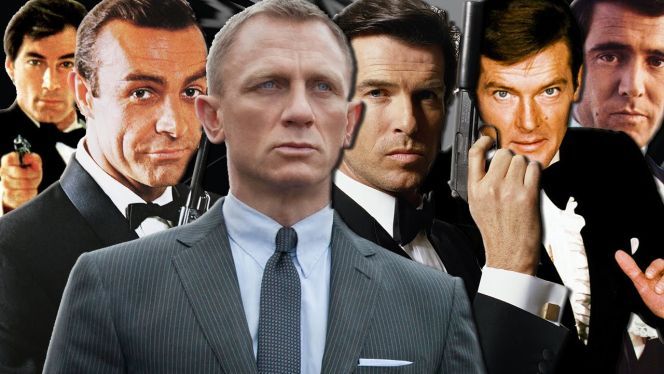
OPINION – Since 1962, a total of 27 films have been made as adaptations of the James Bond adventures dreamed up by Ian Fleming, if we count the unofficial ones as well. Which is the worst and which is the best James Bond film according to Metacritic’s critics’ list? Our article has the answer!
This year marks the sixtieth anniversary of the very first James Bond film, Dr. No, so to celebrate, we have gathered every James Bond film from worst to best – also to give you a little extra incentive to watch these classic productions.
Specifically, we ranked every Bond film using Metacritic’s aggregate data, from Sean Connery’s Dr. No to the Daniel Craig films, naturally including George Lazenby, Roger Moore and Timothy Dalton’s turns as 007 as well. The box office data was collected from the statistics compiled by The Numbers.
On top of that, every James Bond film rated here has recently become available on HBO Max, so you can also “test” for yourselves whether this list holds up.
Let the fun begin: the name is Bond, James Bond…

27. A View to a Kill (1985)
According to the critics’ consensus, Roger Moore did not only star in the worst James Bond film, but in general, the weakest Bond films were also made with him. As for the overall quality of the James Bond films, it is still worth noting that even this worst Bond movie – which was also Moore’s final appearance – “only” fell to a Metacritic average of 40, which is not that terrible if, for example, I look at the average quality of films from last year or the beginning of this year…
A View to a Kill otherwise had everything that could have made it a success – apart from the fact that Roger Moore was already 57 years old in the film, and it showed. The main villain was played by Christopher Walken, who was already an immensely talented real star at the time, while Grace Jones, the African-American singer, was also genuinely striking as “May Day”, Walken’s “right hand”. And although Tanya Roberts was never considered an Oscar-caliber actress, she also made a strong impression here. At the same time, the screenplay was so ridiculous, unbelievable and hopelessly clichéd that not even the iconic scene in which James Bond (Roger Moore) chases May Day up the stairs of the Eiffel Tower could save it. The critics tore the film to shreds, and its 153 million dollars in revenue was not exactly satisfying for the producers either.
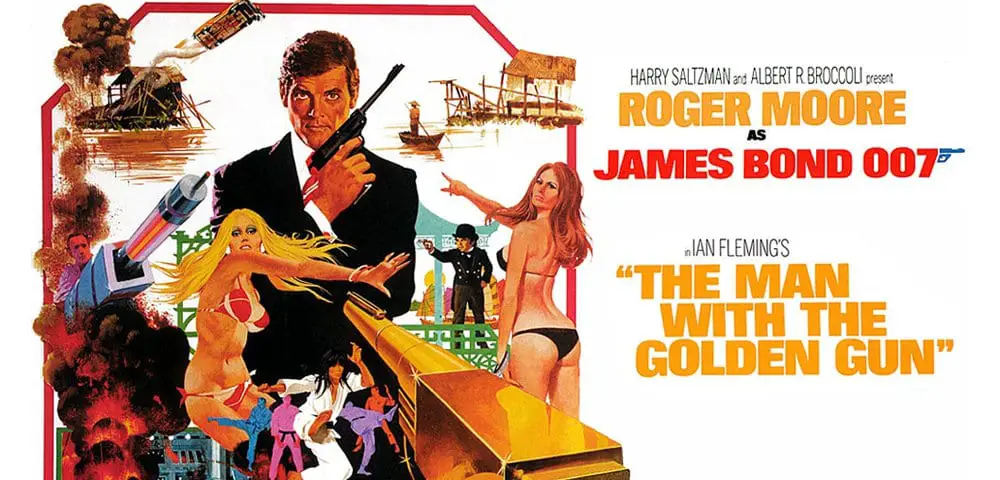
26. The Man with the Golden Gun (1974)
The critics were not impressed by Roger Moore’s second James Bond film either, which was also an adaptation of one of Ian Fleming’s weakest novels. Francesco Scaramanga (Christopher Lee) was one of the dullest Bond “baddies”, just like the film itself, with its weak action scenes and forced humor.
“If you enjoyed the early Bond films as much as I did, you should skip this one.” – Nora Sayre wrote at the time in the pages of The New York Times.

25. Casino Royale (1967)
Today, few people know – only true Bond fans do – that there was also a 1967 “adaptation” of Ian Fleming’s very first novel. There was also a one-hour TV film in 1954, with an American agent named “Jimmy Bond” instead of James Bond – ouch! – so we have left that one out here. This 1967 film was meant to be a comedy in which simply “everyone” was “Bond, James Bond”, and by “everyone” we mean stars and directors ranging from lead actor David Niven to Orson Welles and Woody Allen, while French film star Jean-Paul Belmondo also appeared in another role. The creators probably had a great time with this parody, but for us, the viewers, it was dreadful.
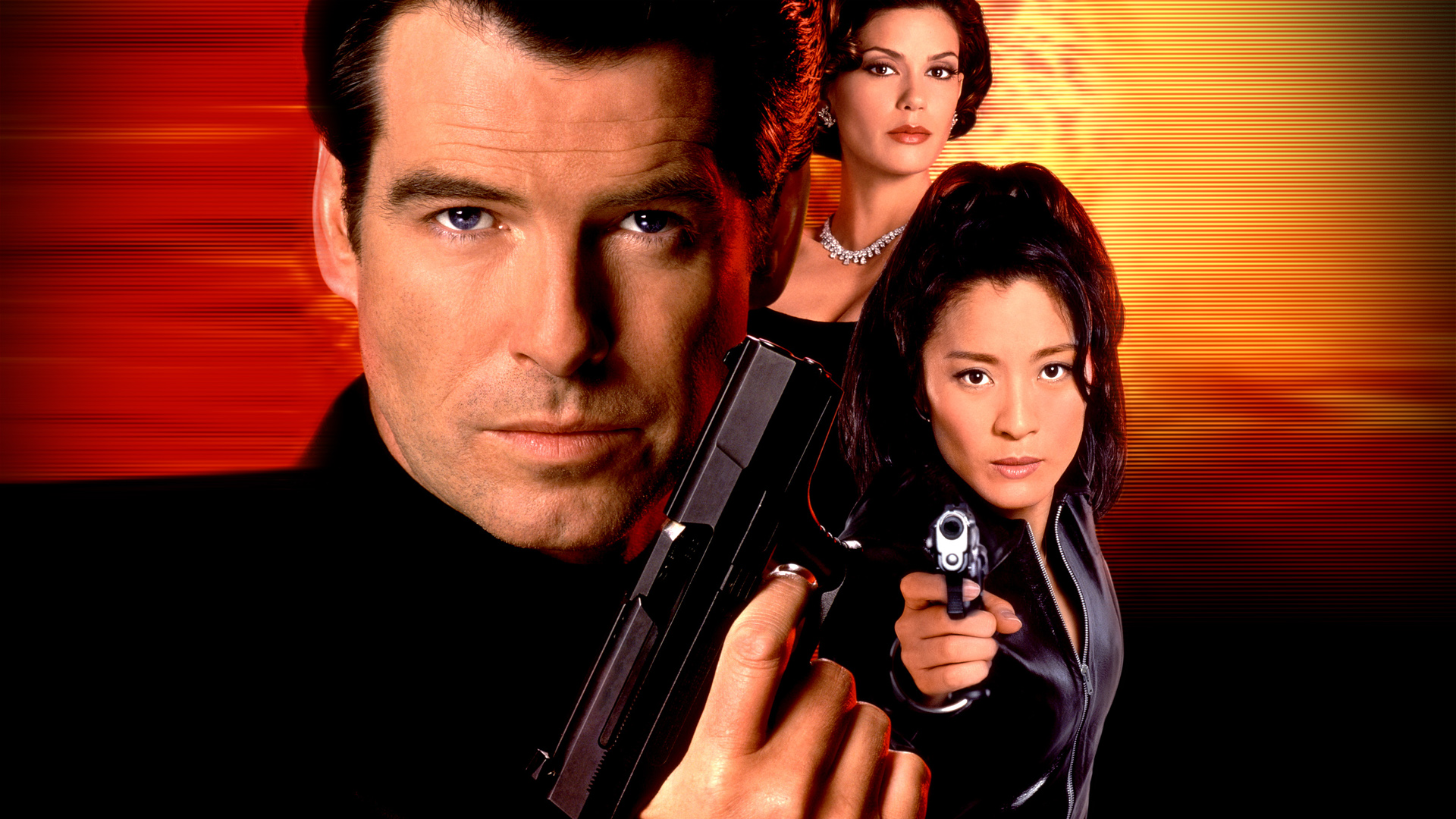
24. Tomorrow Never Dies (1997)
Pierce Brosnan’s second James Bond film, in my opinion, was not as bad as the reviews made it out to be, but we are following the Metacritic list here, so according to its average score of 52, this is the fourth-worst James Bond film. Salon critic Charles Taylor hit the film hard, writing that this 1997 production contains zero tension, wit or style. Ouch.
Perhaps the poor reviews were also influenced by the fact that media mogul Jonathan Carver, played by Jonathan Pryce – otherwise a very fine actor – was one of the dullest Bond villains ever, while the screenplay was also rather empty. Pierce Brosnan’s performance, as well as the action scenes, were fine in my opinion.

23. For Your Eyes Only (1981)
In the case of For Your Eyes Only, the critics may have been a little too severe, since we were dealing with a perfectly decent action thriller in which Roger Moore did less clowning around, and that definitely helped both the film and his performance – even if he was no longer particularly young here either.
Beyond these positives, however, there was not much that really stuck in the viewer’s memory and could have made the film memorable. “A competent James Bond thriller, but nothing more.” – that is how Robert Ebert, critic of the Chicago Sun-Times, described the film at the time.
An interesting detail is that the catchy title song, performed by Sheena Easton, was nominated for an Oscar, and with its 195.3 million dollars in international revenue, this was the second most profitable Roger Moore Bond film.
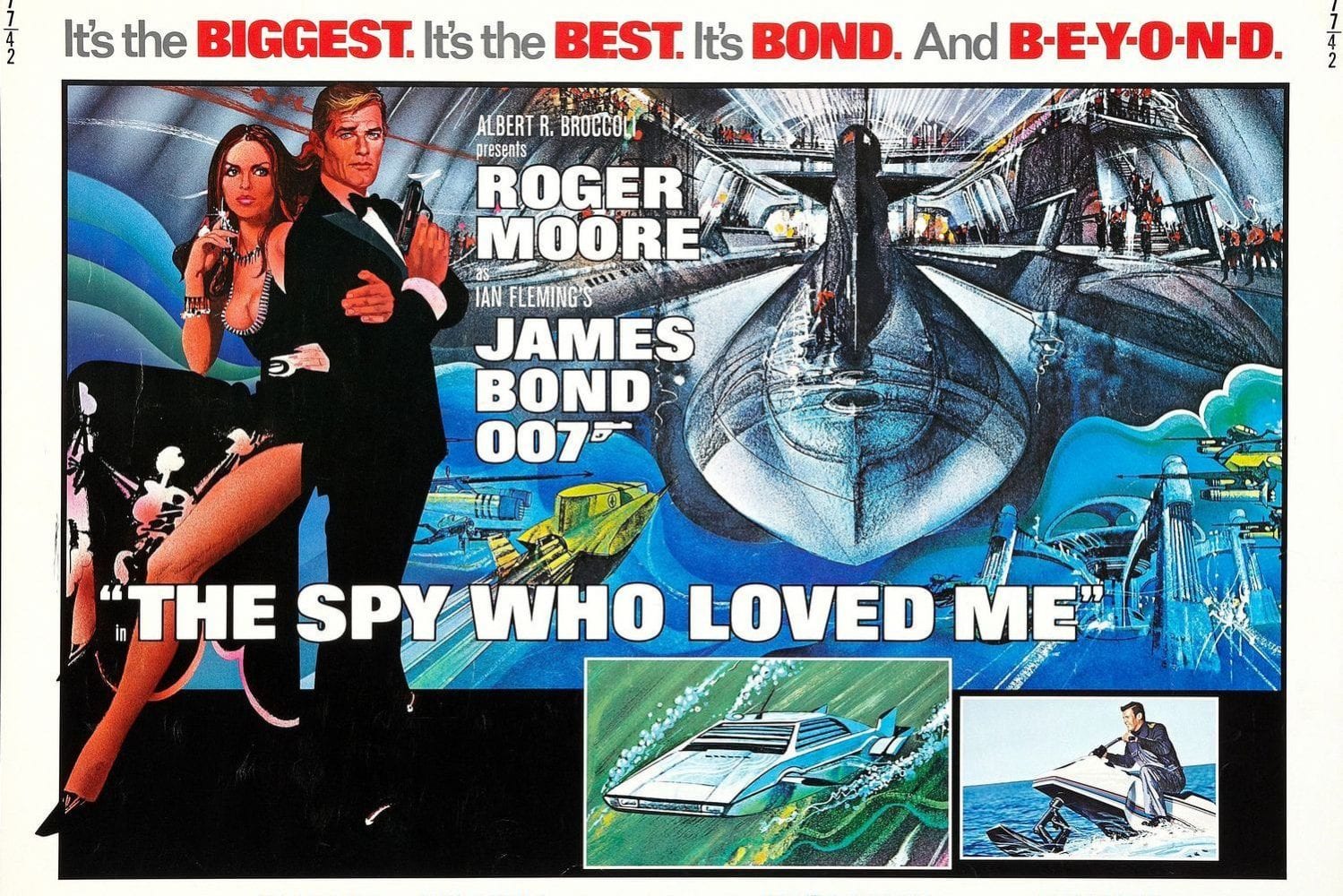
22. The Spy Who Loved Me (1977)
This is perhaps the Metacritic average I disagree with the most. In my opinion, The Spy Who Loved Me was the best Roger Moore Bond film, starting with the huge skiing/chase/Union Jack opening scene, continuing with the Egyptian pursuit, and the action scenes in general were also solid – even if, of course, they never reached the level of Sean Connery’s classics, just as Moore himself never reached the first Bond star.
The critics, however, were not blown away by the film: although everyone considers the opening scene a genuine classic, the rest of the film was already a rather major disappointment.
The film’s “steel-toothed” Jaws, who bit through everyone’s throats, definitely deserves mention, since he was perhaps one of the most successful Bond “henchmen” of his time – after Oddjob, of course.
Barbara Bach was also memorable as the sexy Soviet agent, and Curd Jürgens was not bad either as the aging Bond villain.

21. Live and Let Die (1973)
Roger Moore’s very first film earned the same Metacritic average as The Spy Who Loved Me, but I think that is rather unfair, because Live and Let Die is a significantly weaker work. The problem with the film was not only that Moore himself – who had the misfortune of arriving after a Connery film, Diamonds Are Forever – was merely a weak shadow of Connery, but also that the entire voodoo nonsense-soaked screenplay had little to do with the adventures of a British super-spy.
The film also screamed low budget, and for us, the only funny part was the opening scene in which a Hungarian politician rambles on at the UN.
The other positive was Paul McCartney’s catchy title song, Live and Let Die, but because of the stupid story and lame action scenes, it still comes nowhere near The Spy Who Loved Me, despite having received the same average score.
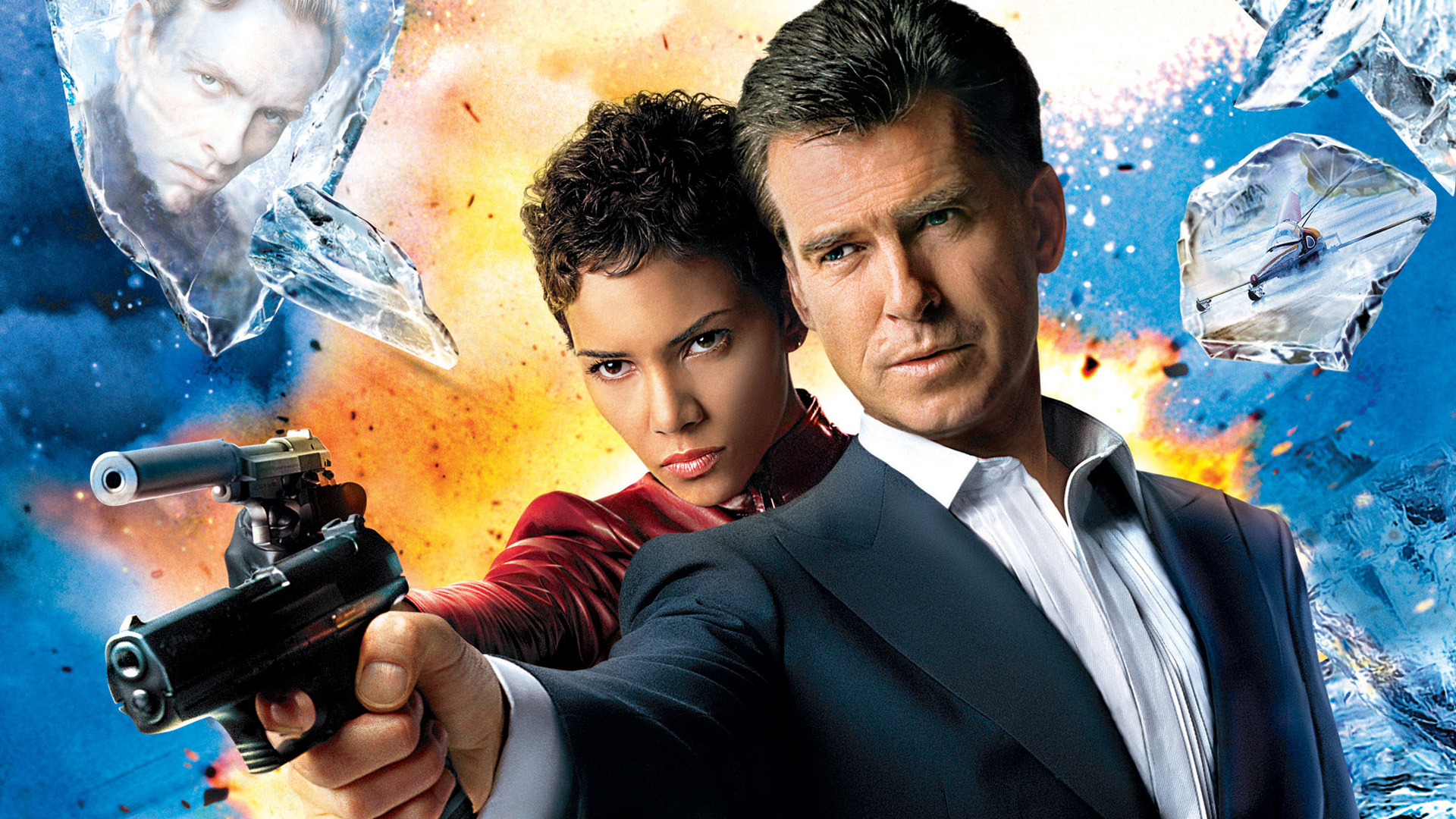
20. Die Another Day (2002)
Many consider Pierce Brosnan’s final film the worst of the star’s Bond outings. The invisible car scene feels more like a B-movie sci-fi film, or one of Vin Diesel’s worst Fast & Furious entries, than a spy thriller.
The film’s much better first section stands in sharp contrast to the second, and the only thing that really remained memorable was Halle Berry’s sexy purple bikini scene, while Rosamund Pike’s performance as a British agent was also fine. Madonna’s opening song divided audiences quite sharply: some thought it was brilliant, others thought it was awful. What is certain is that it was not a traditional James Bond title song. Interestingly, despite the film’s astonishingly strong 432 million dollar gross, Pierce Brosnan was unexpectedly dropped, even though he was not exactly too old for the role yet.

19. The World Is Not Enough (1999)
To slightly turn around the title of Pierce Brosnan’s third film: “the world was not enough for it” – in other words, the critics cut this one down quite badly as well. It was a decent thriller, nothing more, with only Sophie Marceau and Robert Carlyle’s performances really worth highlighting, along with one or two fairly well-crafted extreme action scenes.
The film nevertheless earned 361 million dollars, which was a very respectable result in 1999.

18. Licence to Kill (1989)
Timothy Dalton’s second and final film reduced the original recipe to a rather forgettable action thriller. I would have easily placed it at the very bottom of the list, because it was not memorable in any respect, and even the Moore films were better than this. It was not Dalton himself who was to blame, since he delivered a decent performance. Quite simply, through its formulaic, clichéd story, dull opponents and styleless – though fairly bloody by the end – action scenes, this 007 film belongs firmly in the highly forgettable category. With its 156.2 million dollars in revenue, the film was neatly written off, and Brosnan replaced Dalton – although we had to wait six whole years for him.
Metascore: 58
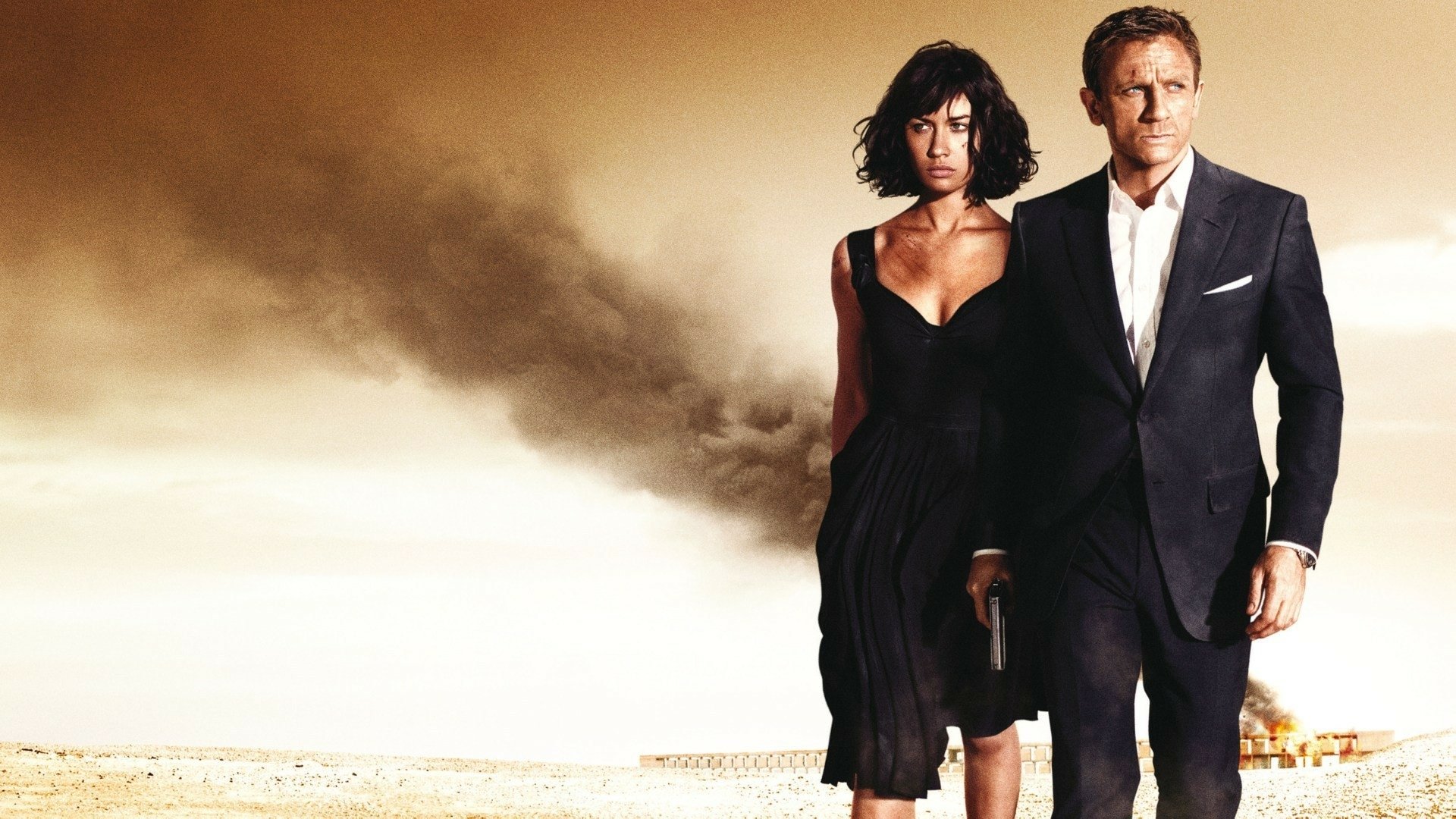
17. Quantum of Solace (2008)
After Daniel Craig’s hugely successful Casino Royale, it was rather surprising that Quantum of Solace hovered around the “weaker batch” category. All the explosions and action scenes could not hide the confused, often illogical screenplay, the so-so main enemy – Mathieu Amalric is a good actor, but somehow he did not belong in a Bond film – and the rather dull Bond girl, Olga Kurylenko. The 591.7 million dollar revenue was not bad, but compared with Craig’s films, this was still the weakest one. Its Metascore average is the same as the previous film, Licence to Kill, but in our opinion this film was still a notch better than the Timothy Dalton thriller.
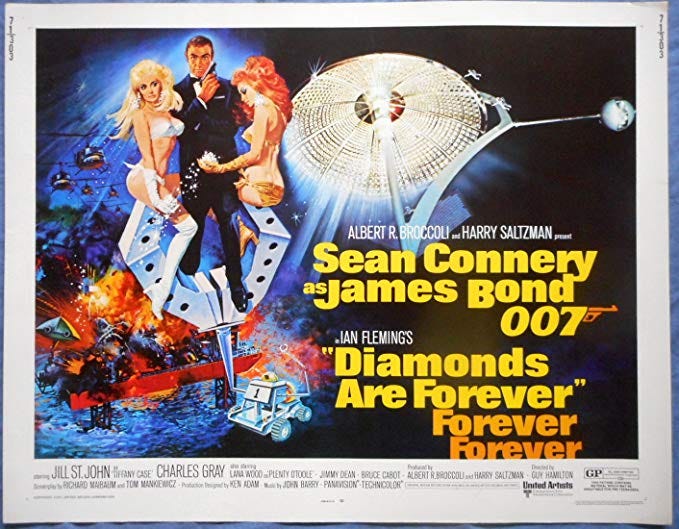
16. Diamonds Are Forever (1971)
Sean Connery’s last “traditional” Bond film – he played James Bond once more later, but that was not part of the “official” series – was quite a strange creation, though not really in a good way. Both Broccoli and his team, and Sean Connery, failed: the James Bond film producers because the new Bond actor, George Lazenby, had been a massive flop in On Her Majesty’s Secret Service, and Connery because, although he already hated the role and tried to move away from 007 by asserting himself in other films, all of those failed badly as well. In the end, Broccoli and company begged back the somewhat overweight Connery, who wore a rather poor wig in the film. The film itself was an interesting mixture of incredibly punchy action scenes – the life-and-death fight in the elevator is one of the most classic Bond scenes – and at the same time terribly crude, noisy, silly parts. Overall, it was not a good film, and according to the critics, the franchise badly needed fresh blood. It is sad that, as we saw above, the following Live and Let Die – the first Roger Moore film – was even weaker.
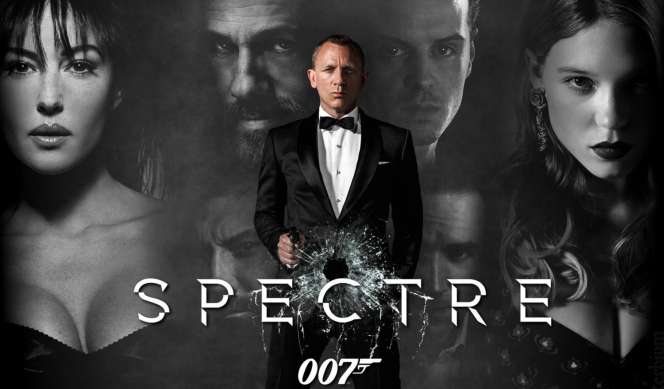
15. Spectre
Spectre was Daniel Craig’s last film before 2021, released in 2015, and we also wrote about it. It is perhaps the film where I disagree with the critics the most, because I specifically liked it. I think Craig found his version of the character best in this film, and Christoph Waltz was also excellent as Blofeld, the “calm, measured psychopath” main villain. Even the sexy Monica Bellucci appeared in the film, playing an interesting character in my view. The action was also where it needed to be, mostly exciting, extreme and well-conceived. Despite all that, the reviews cut it down rather harshly, and it barely reached 60 on Metacritic. At the box office, however, it performed very well: with 879.6 million dollars, it became the second most successful Bond film of all time.
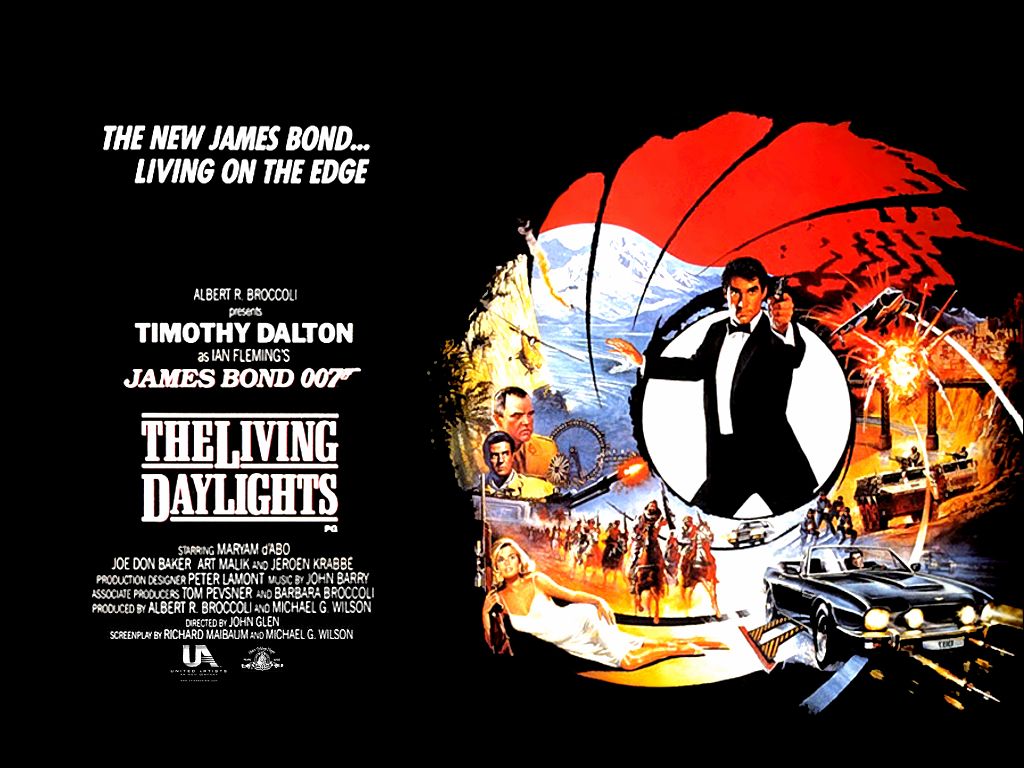
14. The Living Daylights
Despite the brutally idiotic Hungarian title, I think this Timothy Dalton film, with its Metascore of 60, is also rather underrated. Many people retrospectively consider Dalton an excellent Bond, and perhaps if it had not been for that terrible Licence to Kill, which we discussed above, Dalton would have stayed in the role for more than two films. It brought in 40 million more – 191 million dollars – than Roger Moore’s final A View to a Kill.

13. On Her Majesty’s Secret Service (1969)
After his fifth film, Sean Connery had had enough, and he was replaced as 007 by Australian actor George Lazenby, who – to stay with that same adjective – was also rather dull. Pauline Kael, critic for The New Yorker, wrote of the film that although the whole thing was “exciting”, George Lazenby was “quite a dull fellow”. Although the film contained an extremely dramatic and sad scene as well, what was much more tragic for Broccoli and company was that the film flopped hard with only 82 million dollars in revenue.

12. You Only Live Twice (1967)
This entry from the classic era was Sean Connery’s fifth 007 film, and by this point he was already quite bored with the role, with one foot practically out of the franchise. Strangely enough, that somehow came through in the film as well, although Connery still did not play badly here, and he also gave his all in the action scenes.
Another interesting detail is that Ernst Stavro Blofeld, played by Donald Pleasence – the scar-faced, cat-stroking main villain – directly inspired the character of Dr. Evil in the Austin Powers films. I think the average score is a bit too strict here as well.

11. Octopussy (1983)
According to the critics, this is Roger Moore’s second-best Bond film, and I mostly agree with that, although I still think The Spy Who Loved Me was the best. The villainous, insane, power-hungry Soviet military commander, General Orlov, the title character Octopussy – Maud Adams appearing in a Bond film for the second time after The Man with the Golden Gun – and Kamal Khan, played by Louis Jourdan, were excellent characters, and it was especially entertaining to see Kabir Bedi, once known for playing Sandokan, in the role of the latter’s henchman. Although the film contained plenty of clichés and silliness – the bit that turns James Bond into a clown could have been left out – overall I think Octopussy was a genuinely entertaining, exotic and exciting film, in which the already fairly elderly Roger Moore also gave a fine performance. With 187.5 million dollars, the 1983 Bond film delivered a solid, if not outstanding, result.

10. Thunderball (1965)
Sean Connery’s classic fourth film was, according to the reviews, a slightly weaker work than the previous one, but still excellent. Many critics singled out the spectacular underwater fight, although I personally preferred the opening fight scene, or the part where Bond is forced to flee wounded during a carnival. Overall, I think the critics were a little too strict here as well, and Thunderball deserved an average score ten points higher. The film grossed 141.2 million dollars, which was a very strong performance by 1965 standards.
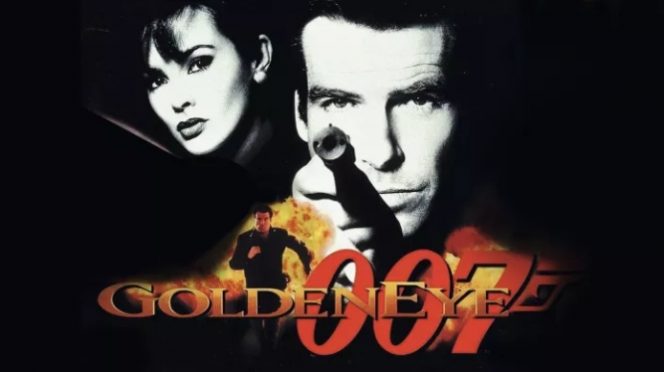
9. GoldenEye (1995)
Pierce Brosnan’s first performance as 007 is clearly the actor’s best Bond film. Brosnan, exceptionally well-suited to the role and looking the part perfectly, combined charm with real cold-bloodedness and ruthlessness. Famke Janssen as the simultaneously sexy and insane Xenia Onatopp – whose name is also rather telling – and Sean Bean as the betrayed agent 006 belong among the best characters in the Bond franchise. Tina Turner’s fantastic title song must also be mentioned, since it also ranks among the finest. We had to wait six years after 1989’s Licence to Kill, but the wait was worth it for the producers as well, because the film brought in 365.6 million dollars, a huge box office result at the time. A Nintendo 64 video game was also made from GoldenEye, and that also became a massive legend.
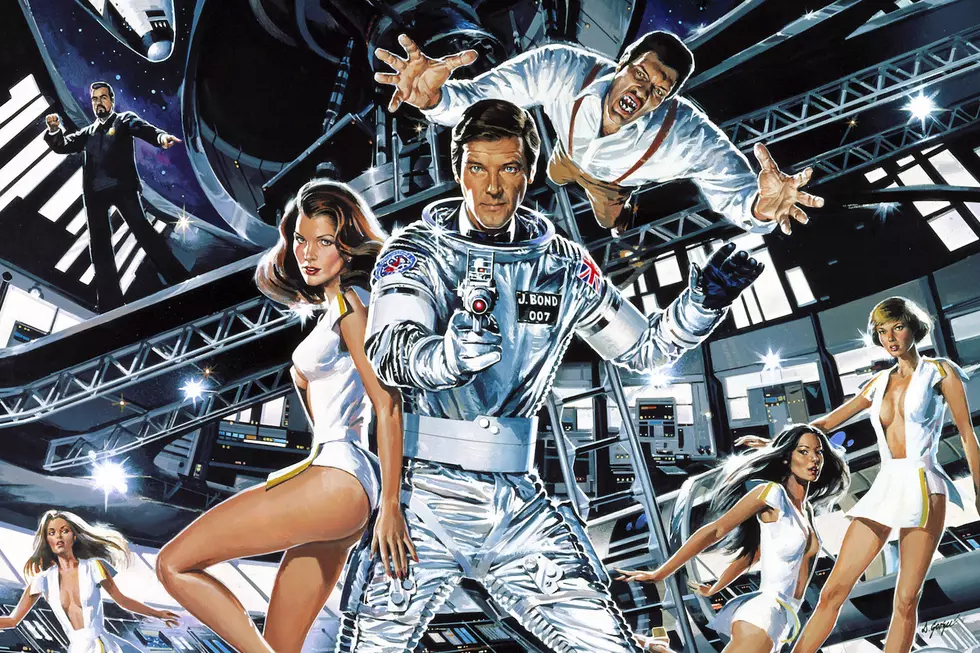
8. Moonraker (1979)
I cannot understand how this film could rank this high among the 007 productions, but that is Metacritic for you… If I had not made this list according to that ranking, Moonraker would easily have been placed among the weaker entries. Although it had some genuinely punchy and entertaining action scenes, it is still obvious that even among the Moore films, it was not one of the best, but only barely better than the two weakest entries. The film’s greatest sin is that it shamelessly latched onto the Star Wars craze raging at the time, and apart from the basic theme of the film, it even managed to include a terribly idiotic “space war” with laser pistols at the end.
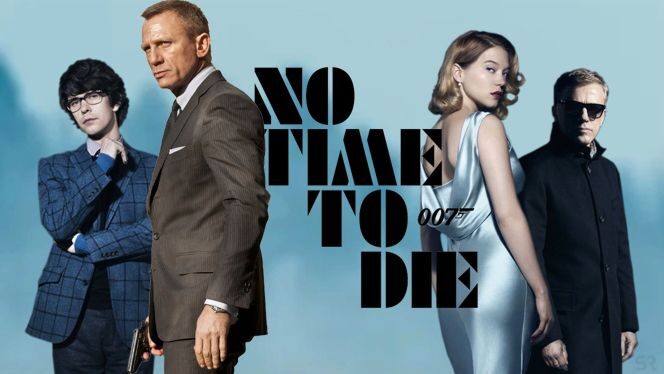
7. No Time to Die
The Daniel Craig era tried to strip away as much of the Bond legacy as possible, choosing instead harder-edged characters, sadder storylines and tougher action scenes. In certain respects, this is the saddest, roughest, hardest and most stone-cold entry of the bunch, with the veil of closure hanging over the entire film. The constant callbacks to earlier Craig films are a bit much, and the chemistry between him and Léa Seydoux did not improve compared with Spectre. The film does come alive, however, whenever director Cary Joji Fukunaga stages one of the many eclectic action scenes. And let’s face it: if you are a Bond fan, it is hard not to gasp at least a little at the ending.
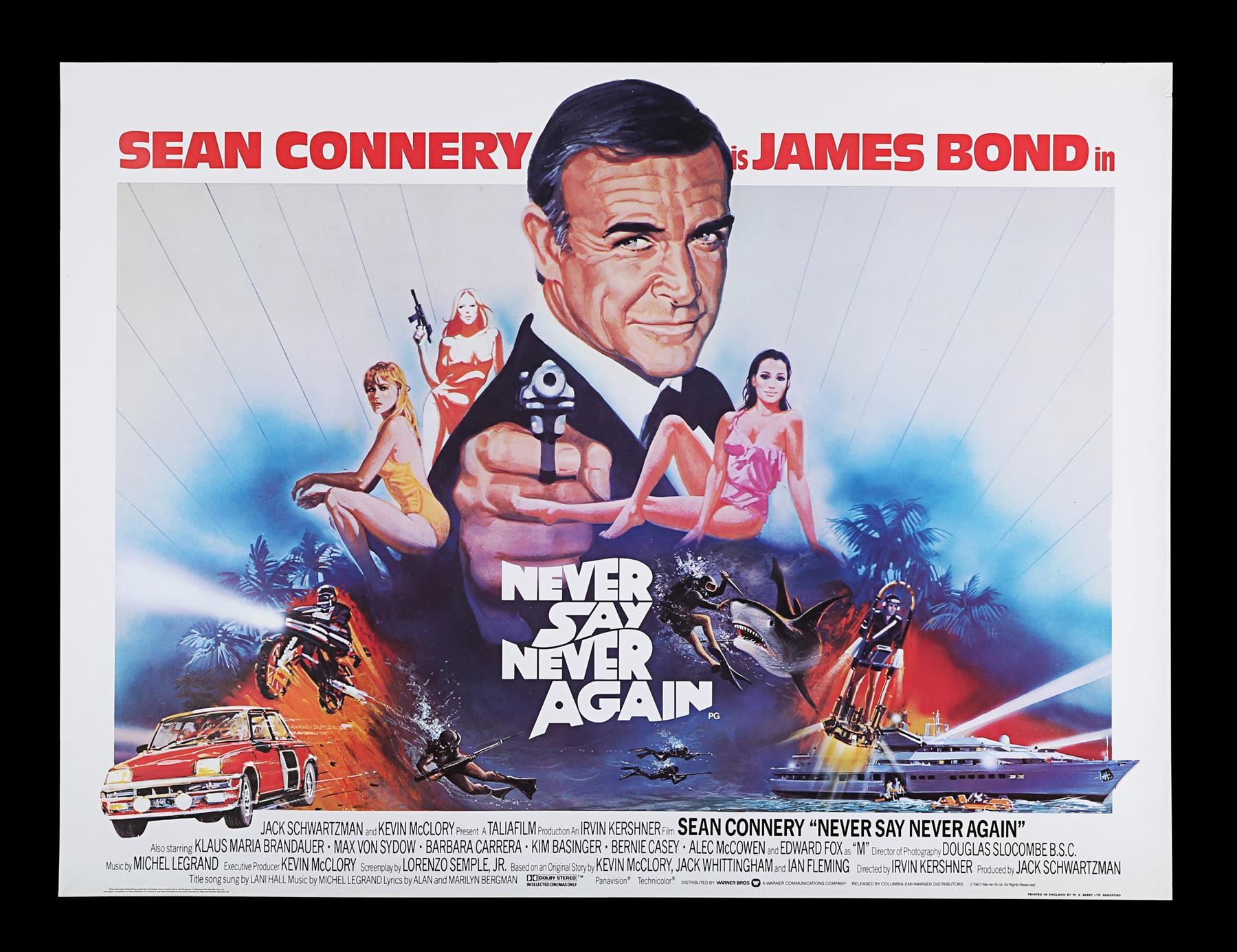
6. Never Say Never Again (1983)
Sean Connery thoroughly learned the wise key phrase in the film’s title when, after Diamonds Are Forever, he returned to the role of 007 for the second time – although this time in an “outsider” Bond film that was not made by Broccoli and company. In parallel with it, Octopussy was being made with Roger Moore in 1983.
Never Say Never Again is an interesting work, with Klaus Maria Brandauer as the main villain, who, however reluctant he was to appear in a Bond film, was absolutely brilliant in it. The Bond girl, meanwhile, was none other than Kim Basinger, a sex bomb at the peak of her career.
The screenplay was quite simply another version of Thunderball, which gave the whole thing a bit of a “remake” smell, and that did not do the film as a whole much good. Overall, I consider the 68 average fair, and I would give the film the same score myself.

5. Dr. No (1962)
We have now made a big jump, both in time and in score, since after the final Connery film from 1983, we are suddenly back at the very first one, with a Metascore average of 78. The first 007 Bond film, Dr. No, is clearly mentioned among the best Bond films, and for me it would actually rank third. Although it was made on a low budget, almost everything in it was perfect – in keeping with the style of the era, of course – especially Sean Connery himself, who utters the iconic “Bond, James Bond” line for the first time.
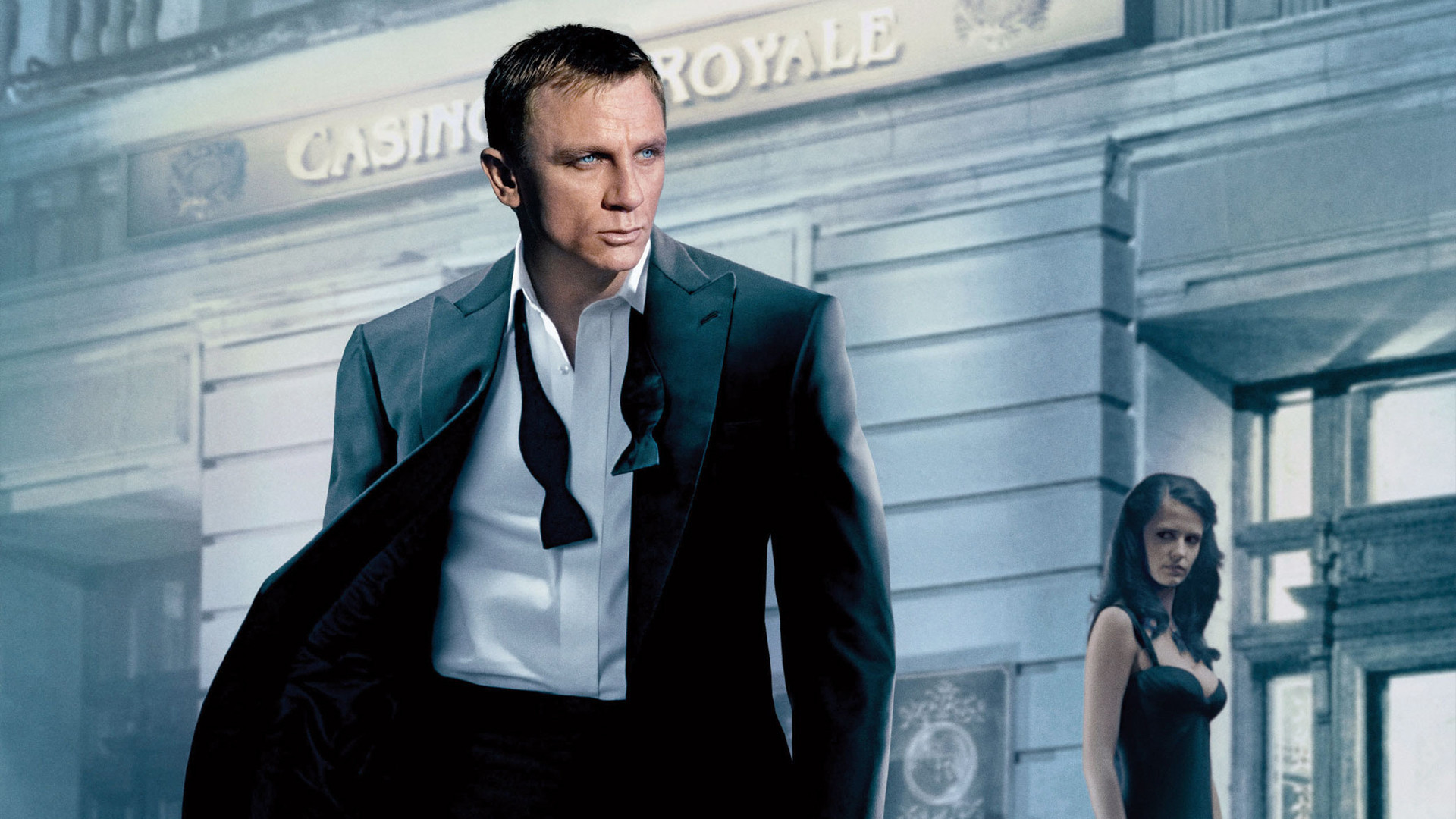
4. Casino Royale (2006)
Daniel Craig’s first Bond film impressed critics and viewers alike. The cold, purposeful, ruthless British secret agent is a worthy opponent for Le Chiffre, played by Mads Mikkelsen, and the mysterious, sexy Eva Green is also an incredibly strong female character. The film’s story and brutal action scenes rank easily among the very best, which is why many people still refer to this film as one of the greatest Bond films to this day. It brought in 594.4 million dollars, which was a record at the time.
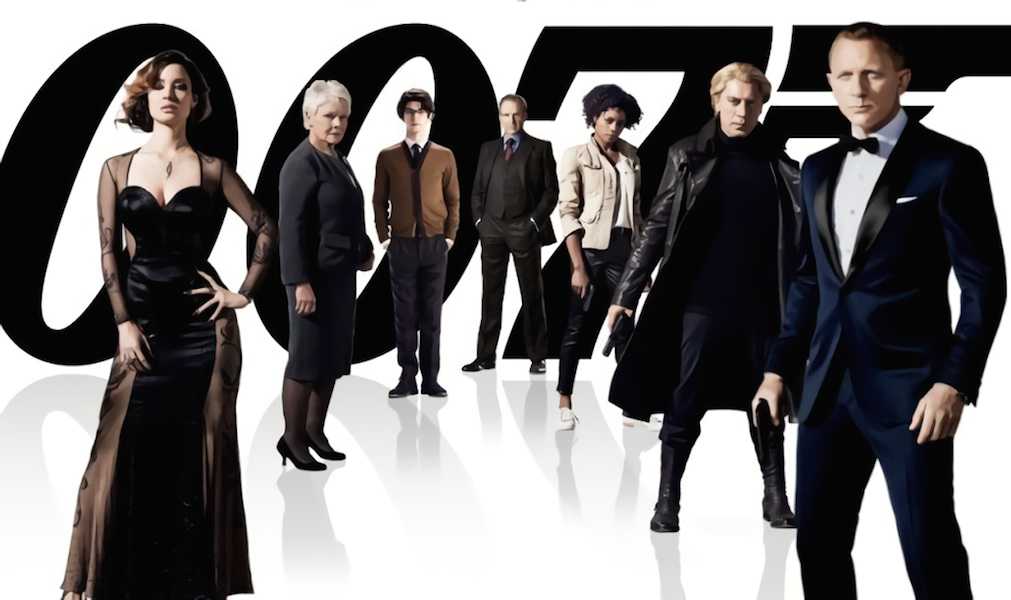
3. Skyfall (2012)
Whether Skyfall truly deserves its podium finish – I personally think Casino Royale was better – is an interesting question, but there is no doubt that with its 1.1 billion dollar gross, which almost doubled the also record-breaking revenue of the previous Bond film, it achieved incredible financial success. The critics praised the film to the skies, and it also won two Oscars: for editing and for Adele’s title song.
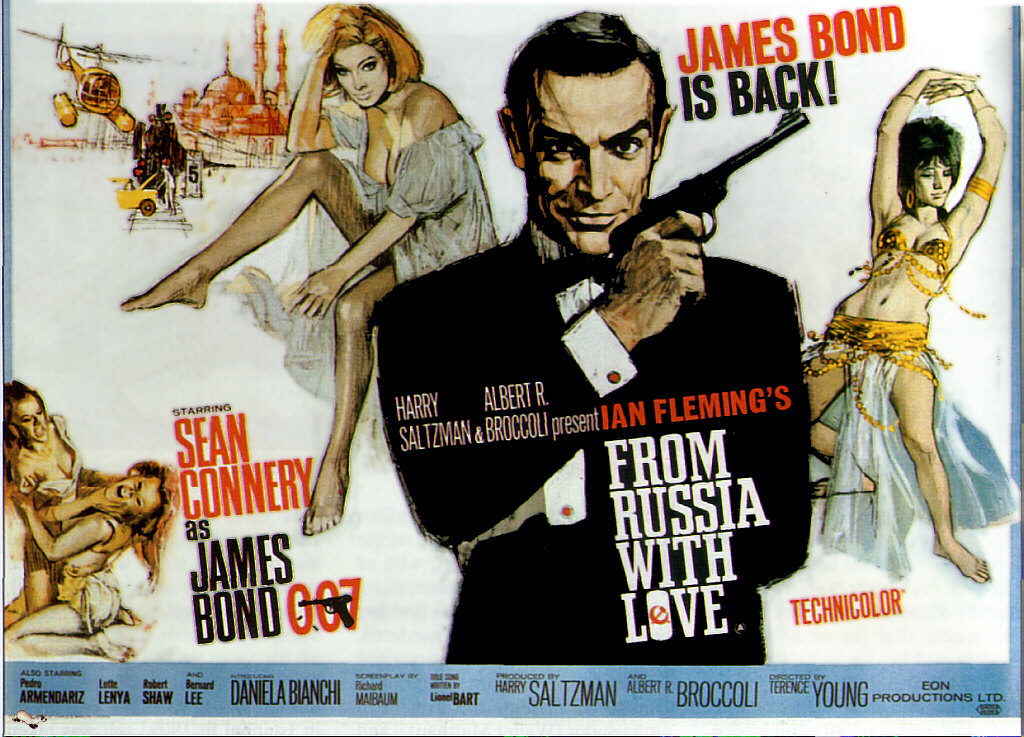
2. From Russia with Love (1963)
If the bronze medal goes to a Daniel Craig film, then it is clear that the silver belongs to this Sean Connery classic. From Russia with Love deservedly appears here: according to the critics, and according to us as well, it is the second-best Bond film. From this almost perfect film, the life-and-death train fight between 007 and the psychopathic killer played by Robert Shaw is especially worth highlighting.
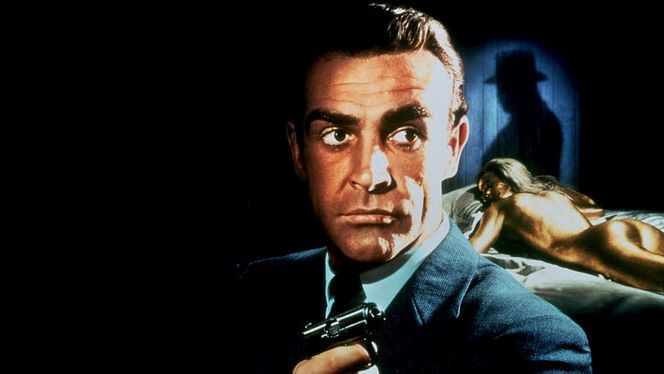
1. Goldfinger (1964)
Finally, with Goldfinger, we have arrived at the best Bond film. Ian Fleming himself sadly never got to see the 1964 production, because he died of a heart attack shortly before its premiere. According to the critics’ consensus, this is clearly the gold-medal Bond movie – not only based on Metacritic, but also according to many others. Us included. It brought in 124.9 million dollars, and this film also won the franchise’s first Oscar, for sound effects.



Leave a Reply