
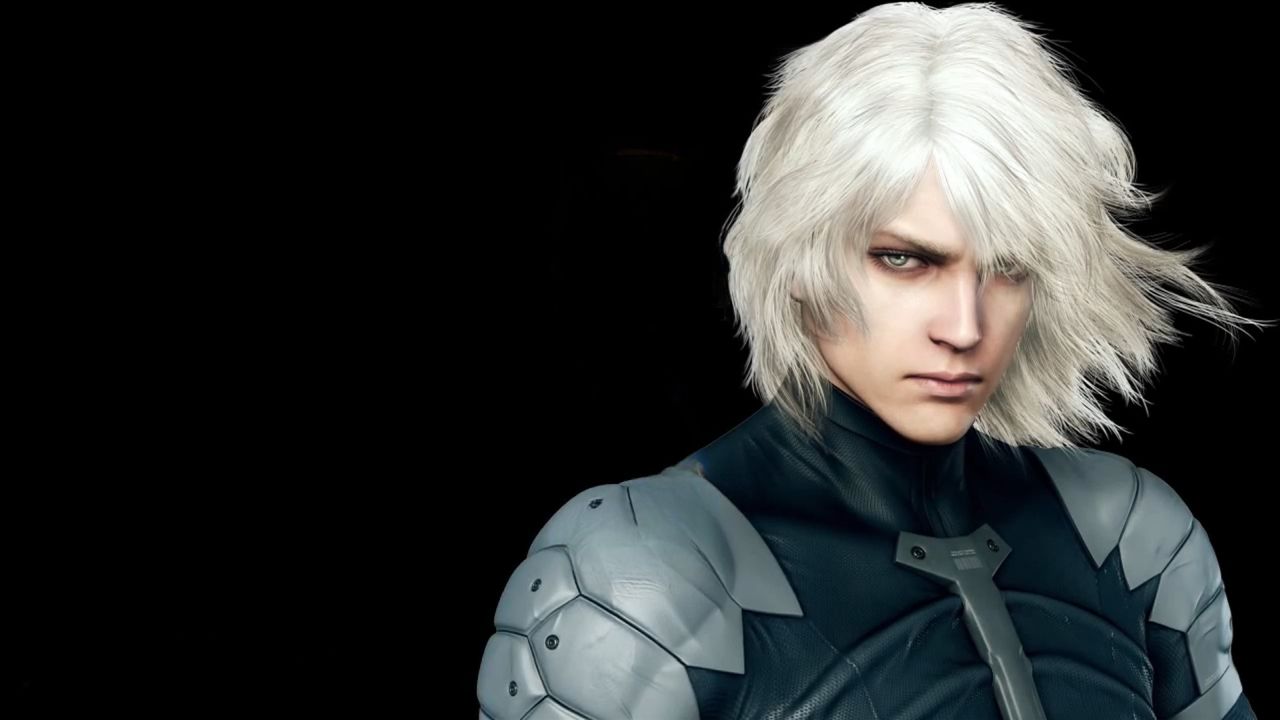
RETRO – During the development of Metal Gear Solid 2, Hideo Kojima made a choice that initially seemed baffling and instantly ignited heated debate. Replacing the protagonist was not a random twist, but a deliberate creative decision Kojima later explained through the lens of Sherlock Holmes. Even so, Raiden became one of the strangest and most divisive chapters in the franchise’s history.
Shortly after the worldwide success of the first Metal Gear Solid, Hideo Kojima began work on its sequel with a vision that differed radically from what players would ultimately experience. The gap between concept and final product was so wide that even the game’s working title was entirely different.
The second entry was originally intended to be called Metal Gear Solid III, a reference to three iconic skyscrapers in New York City. This was not a superficial naming trick. Kojima wanted to deepen a sense of intentional confusion, using the project to explore philosophical questions about what constitutes reality, what belongs to fantasy, and whether truth can be recognized inside a constructed virtual world.
While Kojima’s abstract ideas have since become legendary, most players remember Metal Gear Solid 2 for a far more concrete reason: the arrival of Raiden as co-protagonist. The shock was immense. After several games centered on Solid Snake, few expected the series’ unquestioned icon to step aside for an entirely new character.
With his blond hair, slender build, and almost porcelain-like features, Raiden was the result of a conscious creative strategy. Kojima openly acknowledged that he wanted to broaden the series’ appeal to female players, as the franchise had previously catered primarily to a male audience. In his own words, he aimed to create a hero “that women could more easily relate to.” Characters such as Fortune and Emma Emmerich were introduced with the same intention.
Raiden’s debut, however, immediately met strong resistance. He did not project the image of a seasoned, legendary stealth operative, and many players rejected him outright. As a result, his true narrative purpose often went unnoticed: serving as an external viewpoint through which Solid Snake could be observed.
Kojima likened this approach to the structure of Sherlock Holmes stories, where the brilliant detective’s actions are not narrated by Holmes himself, but by the admiring perspective of Dr. Watson. The director was explicit on this point: “Solid Snake is still the main character of Metal Gear Solid 2, but this time he isn’t the primary narrator of the story.”
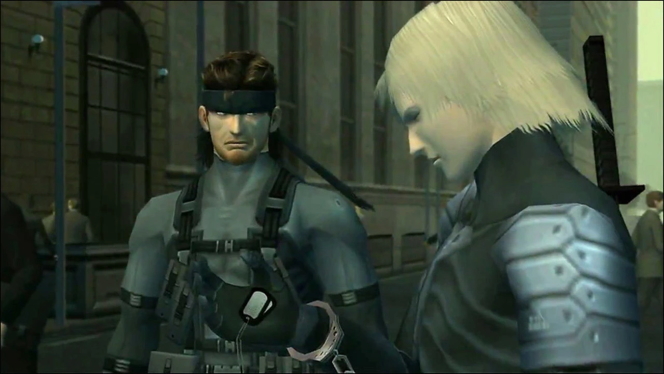
Kojima Following In Sherlock Holmes’ Footsteps
Raiden’s role also addressed a deeper design challenge: ludonarrative dissonance. According to Kojima, it was difficult to convincingly justify extensive tutorial sequences for a veteran soldier like Snake. He also assumed that most players returning for the sequel already knew the core mechanics inside and out, a dilemma that recurs in nearly every successful video game franchise.
The solution was to position Raiden as a character whose experience made that learning curve believable. In the story, he had only fought within virtual reality simulations, which helped reconcile gameplay mechanics with narrative logic. Yet Kojima’s initial plan was even more ambitious. He envisioned a system that would distinguish between newcomers and veterans of the original Metal Gear Solid.
Experienced players would begin with the tanker episode, exactly as presented in the final version. Newcomers, on the other hand, would be dropped directly into the plant chapter, which Kojima originally conceived as the core section of the game.
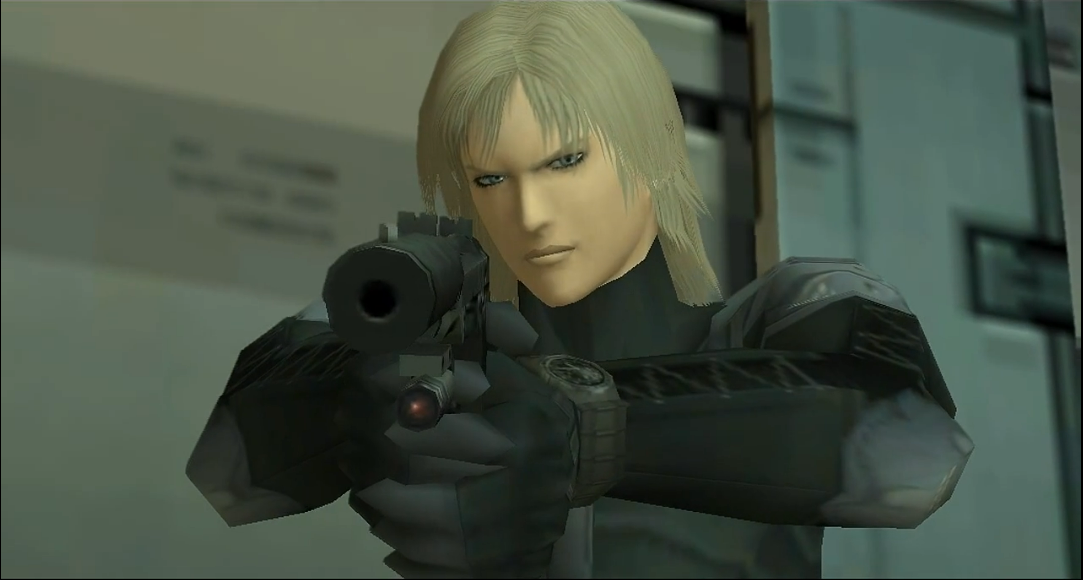
Raiden And Resolving Ludonarrative Dissonance
This design explains why Raiden’s storyline offers little detail about the game’s opening events. The narrative assumes the facility was constructed in response to an ecological disaster caused by a sunken oil tanker, an explanation that does not fully align for players who experienced the tanker chapter firsthand.
Although this concept remained intact in the Japanese release, it was ultimately abandoned in Western versions, ensuring that all players experienced both episodes. From this point onward, Kojima began reshaping Raiden’s function, culminating in a finale that actively challenges the player’s perception of reality.
Raiden’s existence was kept secret throughout development. In fact, no one outside the studio knew about him until November 13, 2001, when Metal Gear Solid 2 launched in the United States as its first release market.
That same day, Konami hosted an event in Tokyo for press and fans at a well-known concert hall, celebrating the game’s completion and formally unveiling Raiden to the Japanese audience. The surprise had been preserved since E3 2000, which is why earlier trailers consistently replaced Raiden with Solid Snake, even in scenes that appeared to feature encounters with Fortune or Vamp.

An Uncertain Future For A Divisive Character
Years later, Kojima himself admitted that the original idea did not fully achieve its intended effect. The audience response was far more negative than he had anticipated, and he acknowledged that the execution could have been handled better. Nevertheless, Raiden returned in Metal Gear Solid 4: Guns of the Patriots, this time in a fundamentally different role.
In that installment, he was redesigned with a more exaggerated, visually striking appearance and given a clear purpose: assisting his mentor. This reinterpretation was received far more positively, both by players and by Konami.
Soon afterward, Raiden starred in his own standalone title, Metal Gear Rising: Revengeance, developed in collaboration with PlatinumGames. While its sales did not match those of the main numbered entries, the game still performed exceptionally well and outpaced several other spin-offs.
Since then, Raiden has appeared only in cameo roles and has not returned as a central figure. Kojima’s focus shifted toward the story of Naked Snake, also known as Big Boss, leaving little room for Raiden’s resurgence. Given the franchise’s current state, it remains uncertain whether he will ever return.
Raiden’s legacy remains sharply divided. Many longtime fans have never forgiven his role in Metal Gear Solid 2, while others continue to hope for a sequel to Revengeance. Few characters in such a high-profile series have left behind a legacy as conflicted and enduring.

Recommended Reading: Hideo Kojima – The Creative Gene
Thousands upon thousands of analyses, essays, and critical studies have been written about Hideo Kojima’s body of work. That is precisely why this comprehensive volume stands out: for once, the creator speaks for himself. The book offers an in-depth look at the influences and inspirations that shaped Kojima’s thinking, tracing his journey from the Metal Gear era all the way to the creation of Death Stranding, while providing a rare, internal perspective on his creative process.
-theGeek-
Forrás: 3djuegos






Leave a Reply