
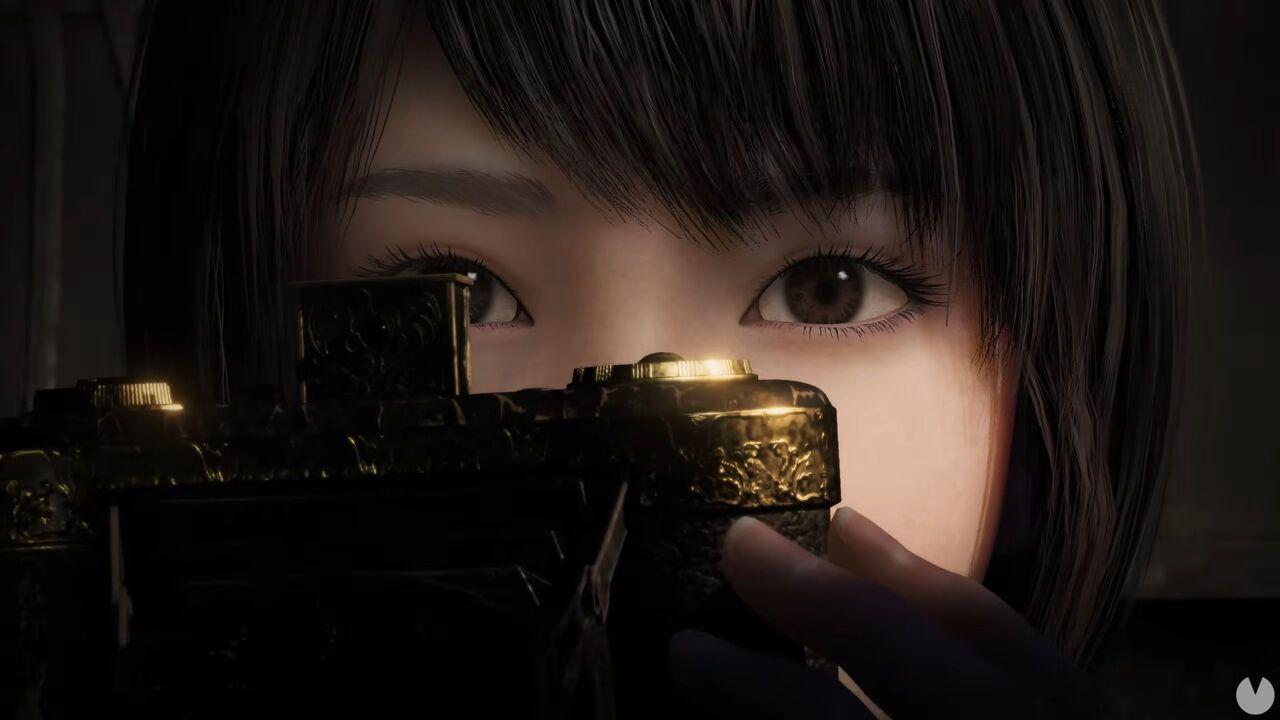
REVIEW – On paper, Fatal Frame II: Crimson Butterfly Remake sounds like a dream project: one of the finest Japanese ghost horrors of the PS2 era returns in a modern form, with proper lighting, a closer camera, and a full set of 2026 quality-of-life improvements. The problem is that, while this remake is undeniably prettier and more up to date, it does not always manage to hide its old growing pains, and some of its new ideas end up diluting the experience rather than sharpening it. We tested the game on a PlayStation 5 Pro.
If you somehow missed the world of Project Zero / Fatal Frame until now: twin sisters Mio and Mayu wander into a cursed mountain village where old rituals are not museum relics, but open wounds. The formula is simple and cruelly effective: no machine guns, no heroics, just a camera you must use to capture the other side before it captures you.
The remake wraps new skin around an old frame, and at first glance it is convincing: the main character models are more detailed, the village environments are easier to read, and the atmosphere no longer merely suggests danger – it settles on your chest. After a few minutes, though, the truth becomes clear: this is still a game built on foundations that are more than twenty years old, and not every update lands where it truly needed to.

Minakami feels closer – and all the more oppressive for it
The biggest gain here is clearly the lighting and the camera. Instead of the classic pre-composed angles, Minakami is now explored from a closer, more modern perspective, and that makes the whole experience far more claustrophobic. This is not cheap proximity, but the kind that gives weight to every shadow – the game lingers more on its details, and you are pushed harder to actually look.
The lighting genuinely takes the series to another level: darkness is no longer a single black mass, but a cold, layered, deeply unsettling space that sometimes makes you instinctively slow down in a corridor. The trouble starts when the pacing does not always keep up with that atmosphere. At times, the game seems a little too confident that being scary is enough, and that everything else can get by on that alone.

Camera Obscura – ghost glamour shots
Combat still revolves around the Camera Obscura: ghosts only take real damage if you let them get close, wait for the moment of attack, and take the shot at exactly the right instant. That risk-reward system still works today, because the fear does not come from loud noises or cheap shock tactics, but from the fact that you have to stare directly into the danger yourself.
The remake does, however, stretch some fights in strange ways. There is a new enemy type that builds up over time – becoming stronger, tougher, and harder to break – and that ends up dragging out the clock more than it increases the tension. On top of that, the game often telegraphs when a sequence is coming in which you can practically fire off photos in bursts because film is no longer an issue. It looks impressive at first, but it also loosens exactly the kind of pressure that made Fatal Frame hit so hard in the first place.
Thankfully, the film system still follows the logic of the old school: you have a weaker, almost inexhaustible basic film type, while the stronger ammunition remains much rarer. Wisely, the remake does not turn this into a shopping list, instead keeping the focus on survival and resource management. In return, though, there are moments when it feels as if the game is deliberately holding back the pace just to make certain sequences last longer.

More comfortable – just not always smarter
One of the best modernizations is that there is finally a minimap and a proper map, the objectives are generally clearer, and you are less often left standing around wondering which door you were supposed to backtrack to. The puzzles, however, are noticeably simpler and less frequent. They work, but they do not stay with you as strongly.
The new Mayu-linked mechanic, hand-holding, is both atmospheric and practical: if you hold her hand, Mio slowly regenerates, which sounds like a lovely sisterly gesture on paper but works more as a comfort patch in practice. It will not save you in combat, and it does not break the game balance, but it does make it clear where this remake leans: more comfort, less friction. The problem is that the game is still built on the idea that, every now and then, it absolutely should make you uncomfortable.
What is genuinely frustrating, though, is the technical side. There are decisions here that are hard to defend in 2026. The 30 fps cap is especially painful in a game where fine camera movement and precise aiming are not luxuries, but part of survival itself. And although the village can be explored without loading screens, reloading after death can take surprisingly long – which, in a horror game, is not tension, but a test of patience.
Strong nostalgia, with a half-finished renovation
Fatal Frame II: Crimson Butterfly Remake is very strong in terms of atmosphere, and its lighting, camera work, and visuals genuinely show how well this classic could still function today. The problem is that the remake does not always rework the source material where it really should: combat can drag on for too long, the puzzles are too cautious, and the technical compromises constantly weigh the whole thing down.
If Fatal Frame is a cult favorite for you, you will probably want this version anyway, because revisiting the village, replaying the story, and reliving the sisters’ nightmare in modern lighting is already a compelling argument on its own. But if this is your first time meeting the series, this is not the remake that instantly sells everyone on why it was ever such a big deal. It feels more like a reissue that winks at longtime fans while telling newcomers only this: yes, this is what it was like – and yes, in some ways, this is still exactly what it is.
-Gergely Herpai “BadSector”-
Pros:
+ The lighting and the closer camera brutally intensify the claustrophobic atmosphere
+ The core Camera Obscura mechanic still works if you like horror that forces you to stare danger in the face
+ The map, minimap, and clearer objectives make it far more comfortable to play today
Cons:
– The 30 fps cap and slow reloads are hard to justify in 2026
– Fights sometimes drag on for no good reason, and some new ideas dull the tension more than they heighten it
– Simpler, less frequent puzzles mean less of the classic series’ lingering bite
Developer: Team Ninja
Publisher: Koei Tecmo
Release Date: March 12, 2026
Genre: action-adventure, survival horror
Platforms: PC, PlayStation 5, Xbox Series X|S, Switch 2
Fatal Frame II: Crimson Butterfly Remake
Gameplay - 5.5
Graphics - 7.2
Story - 7.6
Music/audio - 6.8
Ambience - 7
6.8
FAIR
Fatal Frame II: Crimson Butterfly Remake is by far the best-looking entry in the series in terms of visuals and lighting, and the closer camera often makes its horror feel genuinely suffocating. The classic photographic combat still works at its core, but the 30 fps cap, slow reloads, and a handful of unnecessarily drawn-out fights hurt the momentum. For fans, it is strong nostalgia in a modern coat; for newcomers, though, it is not the most welcoming point of entry.














Leave a Reply