
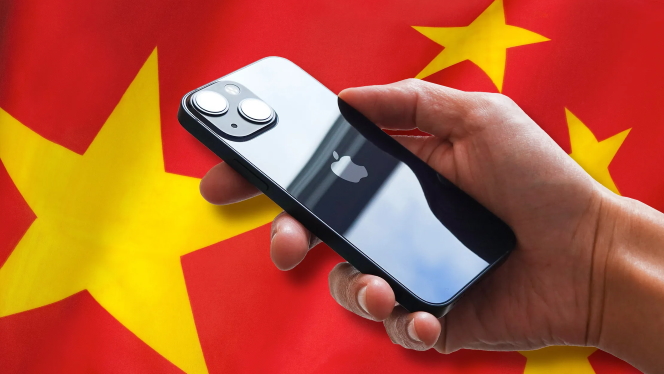
TECH NEWS – After years of declining sales, Apple has finally posted growth in China, climbing to third place—thanks in part to national subsidies. Aggressive pricing and government incentives have given the company a temporary boost in this all-important market.
In the first quarter of 2025, Apple experienced its first year-over-year increase in iPhone sales in China in two years, marking a break from a downward trend that had persisted for several quarters. China is a strategically crucial market for Apple, as a significant portion of the company’s global revenue comes from the country. According to Counterpoint Research, the iPhone has regained momentum, and Apple has managed to temporarily reverse its fortunes. Between April 1 and June 22, iPhone sales on the Chinese mainland grew by 8% compared to the same period last year—the first quarterly increase in the region since Q2 2023. This growth was largely thanks to an aggressive pricing strategy and government-backed subsidies ahead of China’s 618 mid-year shopping festival.
In May, leading Chinese e-commerce platforms—JD.com and Tmall—offered significant discounts on iPhone 16 models, cutting prices by up to RMB 2,530 ($531) below retail. Apple also increased the trade-in value of older iPhones, encouraging users to upgrade. Additionally, iPhones purchased directly from Apple for less than RMB 6,000 became eligible for a national subsidy of up to RMB 500. Some Mac models were also included in the program, with rebates as high as RMB 2,000.
From Q3 2022 through Q1 2025 (with one exception), Apple’s Chinese sales and revenue had declined year over year. Factors included regulatory scrutiny, trade tensions, and government-imposed iPhone restrictions in state workplaces. Domestic competition also played a big role: Huawei, Xiaomi, and Oppo have steadily advanced their features and design, while Apple stuck to its own formula over the last five years.
Despite the recent bump, Apple still lags behind Huawei, which maintained a 12% annual growth rate and captured the top spot. Vivo took second place, even though its own sales dropped by 9%. Apple secured third, a notable result under the circumstances. China remains critical for Apple, representing 20% of iPhone shipments worldwide. By the end of this month, Apple will announce its Q3 financials, which should offer a clearer view of performance in China and elsewhere.
Source: WCCFTech, Counterpoint Research















Leave a Reply