
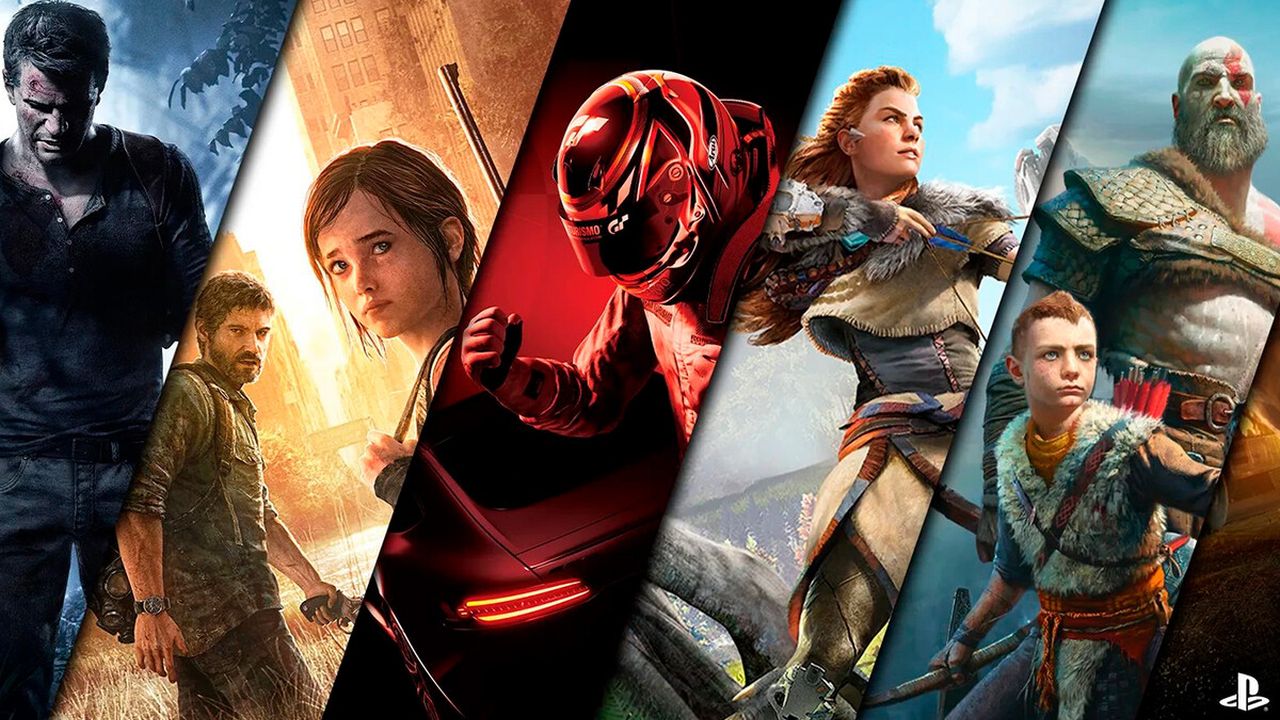
What might really be behind Sony’s U-turn after the last few years is its return to an older, more closed strategy.
PC gamers are still reeling from a Bloomberg article published this week saying that Sony is backing away from porting PlayStation games to PC. Ghost of Tsushima and Horizon: Forbidden West are the first two games that will likely not be released on PC. It also appears that PlayStation Studios‘ single-player titles will not be ported to PC in the future. Sony‘s main reason for backing away from releasing its single-player games on PC is that it simply isn’t worth it. While the initial PlayStation games sold well when Sony began releasing its single-player exclusives on PC, this wasn’t the case with the most recent releases, such as Marvel’s Spider-Man 2 and The Last of Us Part II.
Gamesindustry provided further context based on data from the global analytics firm Newzoo. Aside from multiplayer titles such as Helldivers 2 and the recently released Marathon, it was clear that Sony never intended to release its single-player games on PC the same day they were released on PlayStation consoles. While this delay may seem like a good opportunity for publishers to double their sales with two releases, it does not yield the expected results. According to Newzoo, Sony and PlayStation games aren’t the only ones that see lower sales when released on PC after consoles.
“According to Newzoo’s data, PlayStation titles that are ported to PC after their console launch typically see the PC version account for around 13% of the total player base in the first three months across both releases. By comparison, comparable AAA titles that launch simultaneously on PC and console see PC contribute closer to 44% of players in the same period. Notably, this pattern is not specific to Sony’s first-party portfolio. There is almost no difference between first-party PlayStation titles (12% PC share) and third-party PlayStation exclusives (13%), which suggests that the outcome is primarily driven by the staggered release strategy rather than by franchise demand on PC. When a PC version arrives years after the console launch, much of the early-lifecycle demand has already been captured on the primary platform,” said Manu Rosier, Newzoo‘s director of market intelligence.
The timing of releases determines the outcome to the greatest extent. Unlike Xbox, which has clearly chosen a different path (especially now that it has been confirmed that the next console will be a hybrid that runs both PC and console games), PlayStation does not want to make its own hardware obsolete. It wants to ensure that gamers still have a reason to buy a PlayStation 5 or 6, even if only for exclusive games.
Source: WCCFTech, Gamesindustry










Leave a Reply