
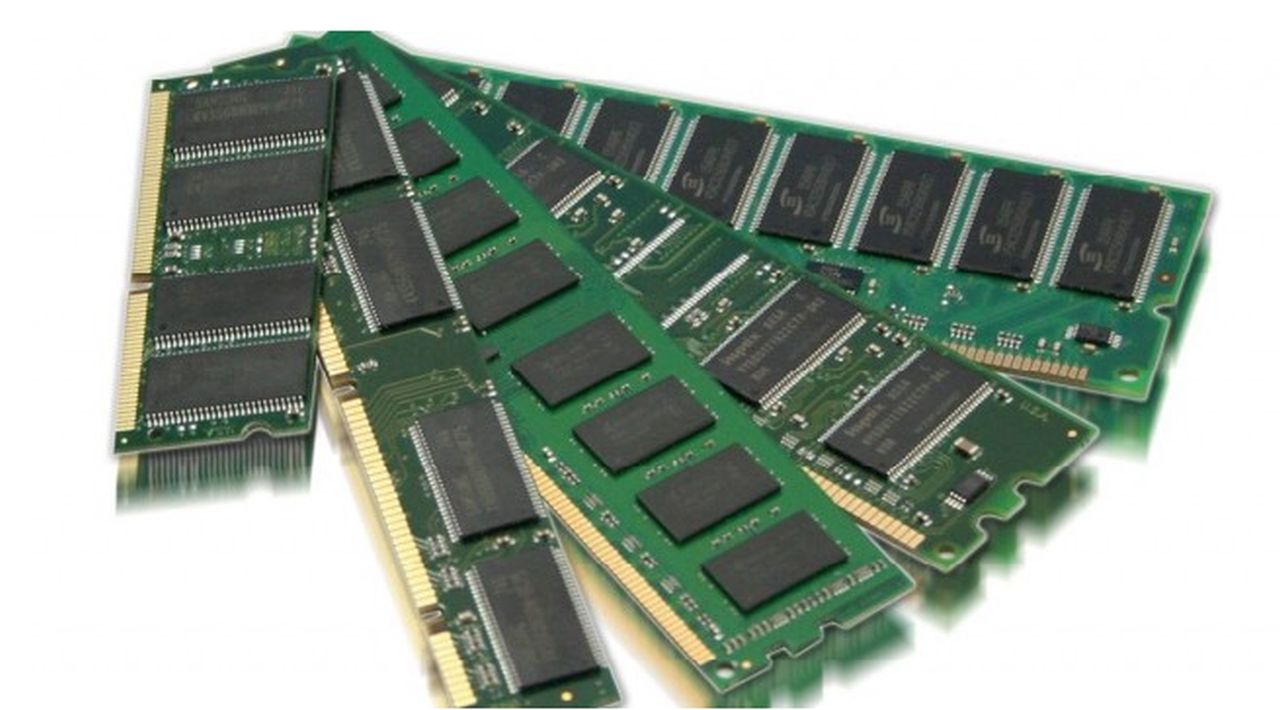
TECH NEWS – The South Korean giant, which makes enormous profits from its memory division, has effectively abandoned part of its customer base, and Chinese manufacturers may now be ready to exploit that opening in the smartphone market.
The global DRAM market is currently dominated by Samsung, SK Hynix, and Micron, but Chinese manufacturer CXMT has been slowly chipping away at their position by introducing newer and more advanced memory standards. Even more importantly, the company has reportedly partnered with another local player, GigaDevice, as it looks to fill the massive gap Samsung is said to be leaving behind by exiting the LPDDR4 and LPDDR4X business. Samsung is reportedly only honoring LPDDR4 and LPDDR4X orders for customers whose shipments have not yet been fulfilled, while refusing any new orders as it shifts its focus toward the more profitable production of LPDDR5 and LPDDR5X. CXMT and YMTC have also been removed from the Pentagon’s restricted company list, allowing both firms to broaden their customer base in the middle of the current DRAM crunch.
GigaDevice may sign a deal with CXMT to purchase $825 million worth of DRAM, which would be six times higher than last year’s $173.2 million. Under this partnership, CXMT would handle manufacturing, while GigaDevice would take care of distribution and product development. This cooperation could significantly expand GigaDevice’s business in the development and sale of DDR3, DDR4, and LPDDR4 memory based on CXMT technology. That could prove highly beneficial for a wide range of customers, including smartphone and chipset makers that have so far depended on Samsung’s LPDDR4 and LPDDR4X memory in their products. Even though these older RAM standards have already been in production for 8 to 10 years, Qualcomm, MediaTek, and even Samsung still rely on them in less powerful system-on-chip designs that typically end up inside entry-level and mid-range smartphones.
With Samsung reportedly halting production and moving resources toward LPDDR5 and LPDDR5X, those customers may have no choice but to adopt the newer memory standard in their products, which takes both time and effort. On top of that, devices that previously shipped with LPDDR4X memory may now have to move to LPDDR5 or LPDDR5X RAM, offering higher bandwidth but also coming with a higher price tag. Some buyers will not want to pay that premium, and people who already bought models equipped with slower LPDDR4 or LPDDR4X memory may understandably feel shortchanged. CXMT has already shown that it can compete technologically with other DRAM manufacturers, having not only supplied Lenovo with newer LPCAMM2 modules, but also produced domestically made DDR5 memory capable of reaching an impressive 8000 MT/s bandwidth.
Although GigaDevice and CXMT entering LPDDR4 and LPDDR4X production does not guarantee explosive profits for either company, it could strengthen their ties with customers left behind by Samsung and open multiple new doors for China to position itself as a serious force in the DRAM market.













Leave a Reply