
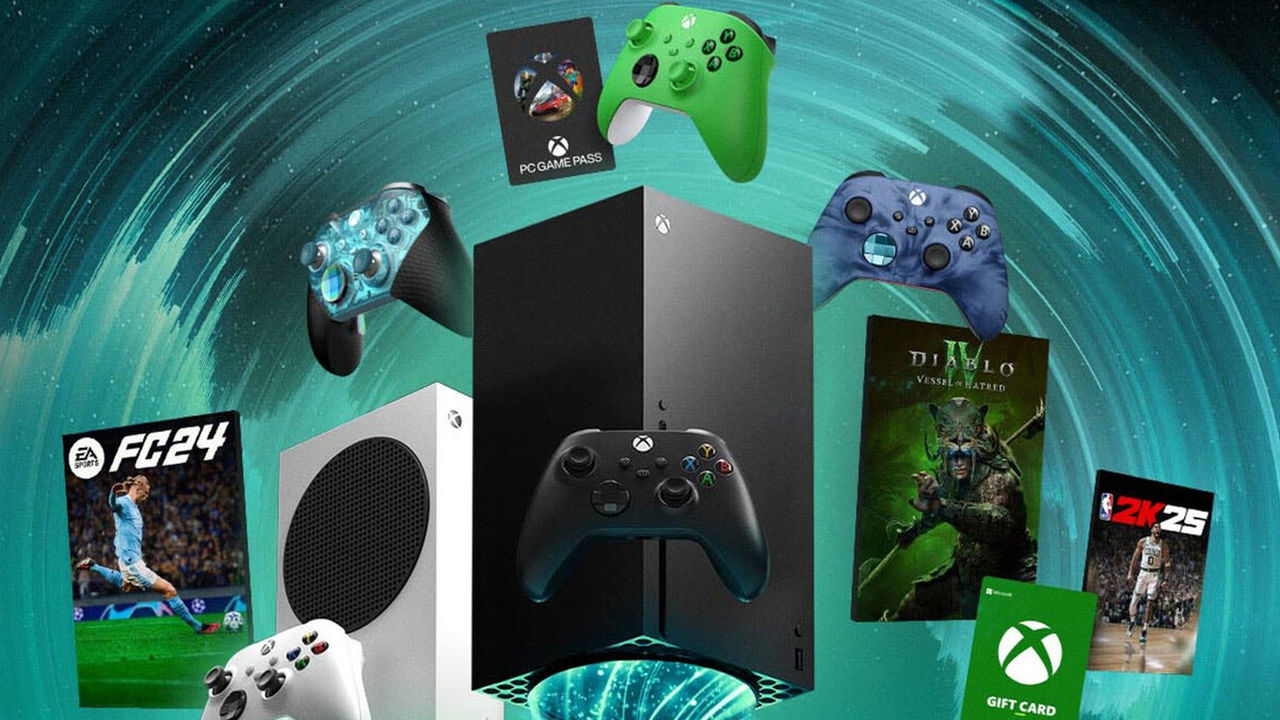
Microsoft has been talking for months about unifying the PC and console gaming experience into a single ecosystem, and it is now becoming increasingly clear that this was not just empty presentation-stage rhetoric. Xbox Mode – the interface formerly known as Xbox Full Screen Experience – is moving closer to a wider rollout on Windows 11 PCs, which means Microsoft is openly preparing a future where Windows and Xbox are essentially two faces of the same platform.
The core idea is simple: Windows 11 gains a console-style full-screen layer that is easy to control with a gamepad and designed to put games first while cutting down on distracting background activity. Microsoft is clearly targeting those moments when people want to lean back, pick up a controller, and stop dealing with the traditional desktop interface altogether. That alone makes it obvious that this is not just a cosmetic experiment, but an attempt to introduce a second, more console-like way of using Windows.
What matters here is that Microsoft does not appear to be replacing the desktop. It is layering something else on top of it. In practice, that means the standard Windows desktop and Xbox Mode can coexist, with the user switching between them depending on what they want from the device. That already makes it look less like an optional side feature and more like the foundation of a hybrid model that could eventually define the next generation of Xbox hardware as well.
The April Xbox Update Pushes in the Same Direction
At the same time, Microsoft has rolled out the April Xbox system update, and the changes there point in the same direction: more customization, more visibility across devices, and tighter links between console, cloud, and PC. One of the more important additions is the ability to disable Quick Resume on a per-game basis, something players have wanted for a long time, especially in online games that tend to break when the system tries to force them back into a suspended state.
The update also adds more profile customization, including new colors and badges, while streaming now gets clearer feedback on network quality and resolution. On the Home screen, players can pin up to ten groups instead of just two, and Games Hubs now include a save-status marker showing whether progress is synced across console, cloud, and PC. Taken one by one, these features may sound small. Taken together, they look like another step in the same long-term convergence.
It Is Not Hard to See What Microsoft Is Building Toward
These moves are especially interesting because they are very hard to separate from the broader strategy Microsoft has been outlining for quite a while. The company is increasingly positioning the PC as a central pillar of Xbox’s future, while also pushing technologies such as Advanced Shader Delivery, DirectStorage, and Auto SR. Put together, these features no longer look like scattered improvements, but like pieces of a deliberate transition.
There are still no fully official details on the next Xbox hardware, but one thing is already obvious: Xbox Mode is not some minor extra. Microsoft is actively building and testing the interface layer that may eventually land on millions of PCs, and its whole purpose is to make Windows behave less like an obstacle and more like a native gaming system. The merging of PC and console is therefore no longer some distant theory. It is a process that is already underway – many people just have not been watching it closely enough yet.
Source: 3DJuegos















Leave a Reply