
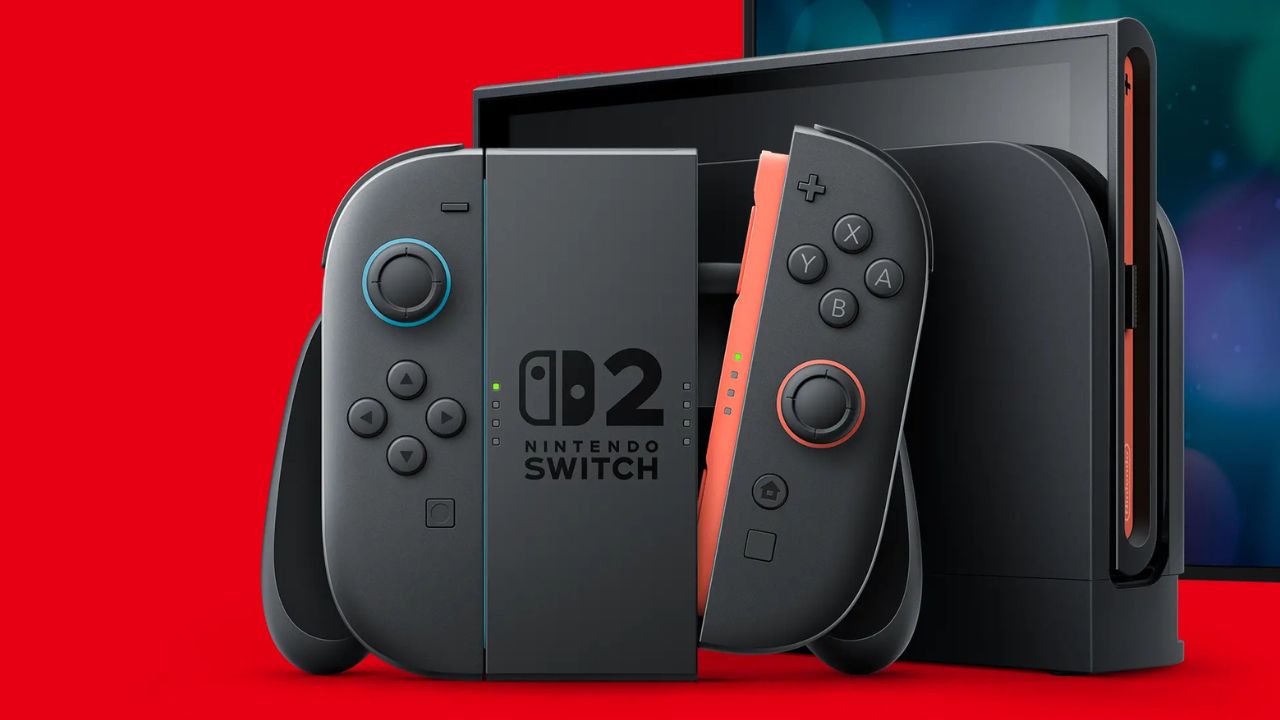
Two players have filed a class action lawsuit against Nintendo in the United States, and the accusation is deeply awkward for the company. According to the complaint, Nintendo already pushed the cost of Donald Trump’s tariffs onto customers by raising prices on some of its products, and now it also wants the U.S. government to hand that same money back through tariff refunds. In other words, the plaintiffs argue that Nintendo is trying to profit twice from the exact same problem.
The story begins with the tariffs imposed after Trump returned to office, measures that hit a wide range of imported goods and quickly contributed to higher prices across the technology sector. Nintendo was among the companies that challenged those extra duties, filing its own complaint against the U.S. government last March and arguing that the tariffs had unfairly burdened the company. Since then, the situation has evolved into promised refunds for affected businesses, but there is still no clear indication that any of that money would be passed back to the players who already paid the higher prices for Nintendo products in the meantime.
That is exactly what the new lawsuit focuses on. As detailed by Game File, the two plaintiffs argue that Nintendo would be unfairly enriching itself through the way this situation has unfolded. On one side, the company raised prices on some products – from Switch 2 accessories to certain original Switch items – to absorb the impact of the tariffs. On the other, it now stands to recover money from the federal government because it joined the broader effort to challenge those same tariff payments.
The complaint argues that unless the court steps in, Nintendo could recover the same tariffs twice: first from customers through price increases, and then again from the government through refunds, including the interest attached to those repayments. That is why the plaintiffs frame the issue not just as a business disagreement but as unjust enrichment and a violation of Washington State consumer protection law. The case becomes even more uncomfortable when you remember that media reports around the broader tariff litigation suggest some companies could receive refunds worth as much as $160 million.
Furukawa’s Own Words Do Not Help Nintendo Here
The plaintiffs also have a useful piece of ammunition because Nintendo’s own leadership has already spoken openly about how the company handles tariffs. The lawsuit cites a statement made in May 2025 by Nintendo president Shuntaro Furukawa, just one month after the tariffs were implemented. At that time, Furukawa said the company’s basic policy was to recognize tariffs as part of its costs and incorporate them into prices whenever such measures were imposed in a country or region. In other words, Nintendo is not being accused of something abstract here – it had already publicly acknowledged that this was the pricing logic it intended to use.
When Game File later asked Nintendo whether it planned to pass any future tariff refunds along to players who had already paid those higher prices, the company did not offer a meaningful answer. It only confirmed that it had submitted a request and had nothing further to share. That kind of vague reply obviously does very little to reassure customers who are already suspicious of the company’s intentions.
The broader context also matters. Nintendo is not the only company facing this sort of backlash. In recent days, customers of FedEx and UPS have launched similar legal actions because they fear those firms may also keep tariff refunds for themselves after already passing the costs on to consumers. So this is no longer just a Nintendo problem. It is part of a larger question about what companies are supposed to do when they get government money back after customers have already covered the burden through higher prices.
For Nintendo, though, this opens a new and ugly front. The company was already in an uncomfortable position because tariffs had become tied to the pricing of hardware and accessories. Now it must also defend itself in court against the claim that it is trying to turn the same financial pressure into profit twice. More details will surface over time, and it is still possible Nintendo could eventually offer some form of concession. At the moment, however, the situation looks much more like another self-inflicted reputational mess – one that players are unlikely to view kindly.
Source: 3DJuegos









Leave a Reply