
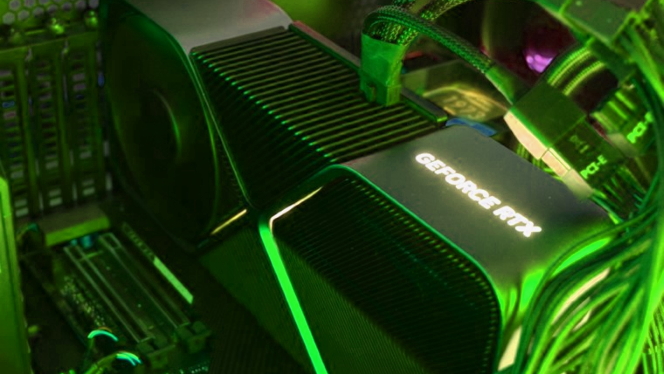
TECH NEWS – Four gigabytes of VRAM does not mean a modest 5-10% premium at Framework. It means a lot more than that.
Framework laptops offer a unique option: upgrading the entire GPU by purchasing a separate graphics module. That makes them an ideal solution for laptop owners who would rather boost the performance of their existing machine than buy a brand-new one. But the recent squeeze in memory supply has driven prices into the stratosphere. Framework’s latest laptop configuration with a 16 GB graphics module is a very clear illustration of how far memory-related costs have climbed. The company previously sold an RTX 5070 8 GB graphics module for $700, but the latest version is dramatically more expensive.
The Framework Laptop 16 RTX 5070 12 GB graphics module, announced alongside Nvidia’s official launch of the laptop-configured GeForce RTX 5070 12 GB, is now available for purchase. It offers 50% more VRAM capacity, 12 GB instead of 8 GB, but it costs $1,200. That is a 72% higher price for a GPU whose upgrade is effectively limited to more VRAM. The rest of the chip’s specifications remain unchanged, which means that unless you are running workloads that are especially hungry for video memory, you will not notice a dramatic difference. Both the 8 GB and 12 GB RTX 5070 graphics modules are compatible with the Framework Laptop 16 in Ryzen AI 300 and Ryzen 7040 series configurations.
The pricing reflects exactly the sort of memory-constrained world the industry is currently living in. In its official statement, Nvidia said the 12 GB version of the RTX 5070 helps maximize memory availability and enables partners to offer consumers a broader range of laptop options. At the same time, however, that new configuration pushes pricing far above what buyers saw with the 8 GB model. The new version is currently available for preorder, with shipments scheduled to begin in June.
If we were not dealing with this major memory crisis, DRAM, NAND, and everything tied to it, there is almost no chance that an extra 4 GB of VRAM would command a 72% markup. If the percentage gap were somewhat lower, the situation might at least be easier to stomach, but right now it is simply staggering. And this still may not even be the end of it…





![Stranded Deep 2: After Two Years, We Finally Get to See More of It! [VIDEO]](https://thegeek.games/wp-content/uploads/2026/09/Stranded-Deep-2-1280x720-1-302x180.jpg)
![Sony Is Following the Same Path Xbox Took in 2013! [VIDEO]](https://thegeek.games/wp-content/uploads/2026/09/Live-TV-on-PS5-1280x720-exact-302x180.png)








![Stranded Deep 2: After Two Years, We Finally Get to See More of It! [VIDEO]](https://thegeek.games/wp-content/uploads/2026/09/Stranded-Deep-2-1280x720-1-300x365.jpg)
Leave a Reply