
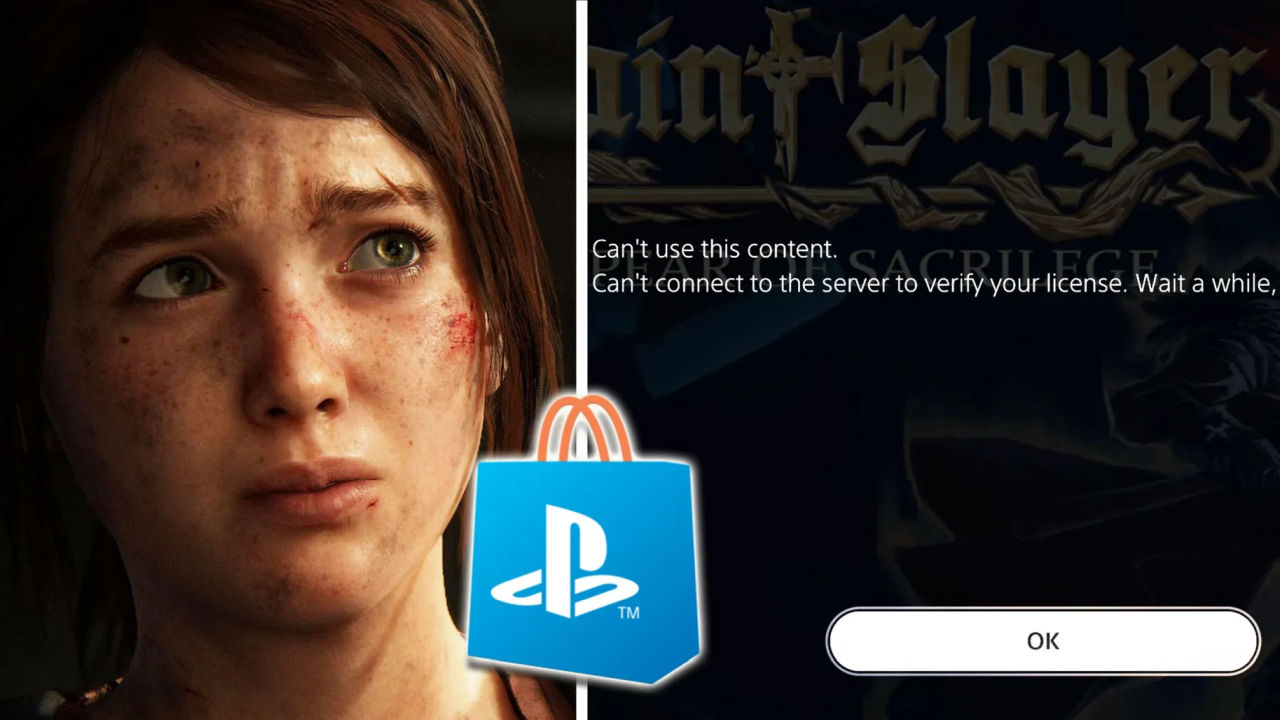
In 2013, PlayStation won a large part of the gaming public by openly mocking Xbox One’s always-online requirement and restrictions around used physical games. Twelve years later, Sony has found itself in an awkward position over its own digital licensing system, after quietly introducing online verification for games purchased through the PS Store. Laura Fryer, former executive producer at Microsoft Game Studios, says PlayStation keeps making the same trust-damaging mistake: changing things quietly, then acting surprised when players panic.
There was a time when Sony knew exactly how to expose a rival’s self-inflicted wound. At E3 2013, while Microsoft was still attached to the Xbox One’s always-online plans, its restrictions around sharing physical games, and its clumsy used-game policy, PlayStation needed only one short video to win the PR fight: how do you share a game? You hand it to a friend. That was it. The crowd loved it, Microsoft eventually backed away from many of those controversial plans, and Sony looked like the company that understood exactly what players would not tolerate.
More than a decade later, that history has come back in an ugly way. In late March, Sony quietly introduced a mandatory online verification system for digitally purchased PS4 and PS5 games. The issue was not simply that some kind of license check existed. The problem was the way the company communicated it: by barely communicating it at all. Some players saw expiration dates appearing on the licenses of games they had purchased, and from there, it did not take much for the community to fear that Sony might be preparing time-limited digital ownership or forcing users into repeated online license renewals.
Laura Fryer, former executive producer at Microsoft Game Studios and one of the recognizable figures from the early Xbox years, addressed the issue in a YouTube video titled “Sony, please stop hurting yourself: why quiet changes go wrong.” According to Fryer, Sony did not merely introduce a technical change. It touched a trust-sensitive part of the ecosystem, and silence in that context is dangerous. When a platform holder quietly changes rules around digital games, it inevitably creates the impression that something is being hidden from players.
A Quiet Change Became A Loud Trust Problem
Sony eventually clarified the situation, but not through a large and clear public statement at the start. Instead, a PlayStation representative later told GameSpot that the DRM does not cause digital games to expire. According to that explanation, the system requires a single online verification that turns the initial temporary license into a permanent one, with no further checks required afterward. That sounds far less alarming than what many players feared when they first saw license expiration dates, but that is exactly the point. Had Sony said this clearly from the beginning, much of the controversy probably would not have grown so large.
Fryer argues that many players naturally began to think Sony might take away games they had paid for, or force them to renew access regularly through an internet connection. That reaction did not come out of nowhere. Trust around digital ownership is already fragile. If a user sees an expiration date next to a purchased game and the company responsible does not immediately explain what is happening, panic is not a bug in the system. It is the expected outcome.
The former Microsoft executive connects the issue to the earlier Helldivers 2 PSN controversy. In that case, Sony tried to make PlayStation Network account linking mandatory for the Steam version, triggering massive backlash. Steam began accepting refunds, the game was pulled from sale in dozens of countries where PlayStation Network was unavailable, and Sony eventually reversed course and apologized. In Fryer’s view, the current digital DRM controversy follows the same pattern: the company makes a quiet change, the community loses trust, and the explanation comes too late to feel like anything more than damage control.
The whole affair is especially uncomfortable because Sony is already in a sensitive moment. In Europe, the PS5 now sits around 650 euros, the PS5 Digital Edition costs 600 euros, and the PS5 Pro is priced at 900 euros, while the community is not exactly eager to trust new reassurances about future price stability. In that climate, every stumble around digital rights management lands harder. If a company is asking players to accept more expensive hardware, a more expensive ecosystem, and greater digital dependence, it cannot afford to handle licensing changes as if nobody will notice.
Fryer ultimately says she misses the old Sony: the company that, in 2013, understood how destructive forced online DRM and disregard for players’ sense of ownership could be. In her view, when a company betrays trust once, it leaves a mark, and every later move is judged through that memory. PlayStation has once again behaved as if quiet background changes would not explode in its face, even though recent years have repeatedly shown that they do. Players are no longer only watching what Sony does. They are also watching what it tries to explain late, after everyone has already assumed the worst.
Source: 3DJuegos















Leave a Reply