
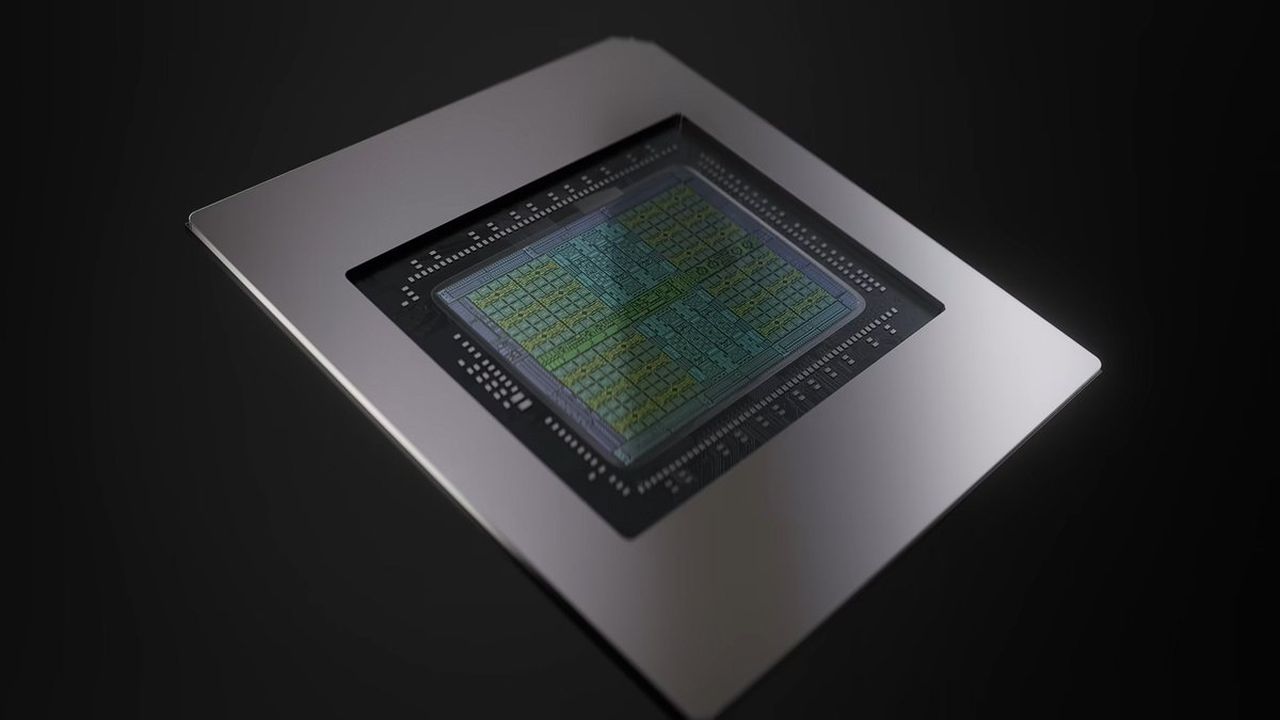
TECH NEWS – It appears that the Chinese Communist Party may lift the ban on Nvidia products in China.
Following U.S.-China geopolitical tensions that led the Chinese government to prohibit local companies from buying Nvidia’s H200 GPUs designed for the Chinese market, reports now indicate that the government is contemplating permitting local companies to purchase limited quantities of Nvidia chips. U.S. restrictions on chips have limited China’s ability to manufacture cutting-edge chips. Further restrictions on Nvidia’s products have also undermined Beijing’s ability to procure the necessary hardware to run the latest AI technologies.
Previously, Reuters reported that the Chinese government was considering imposing restrictions on the country’s advanced AI models. Anthropic’s Mythos product and its cybersecurity capabilities have raised concerns in Beijing. The latest considerations came after authorities blocked the social media giant Meta from acquiring a domestic company. After the United States imposed sanctions on its products, Nvidia developed a chip tailored for China called the H200 that complies with all U.S. export control laws. However, the Chinese government restricted domestic companies’ purchases of these chips in response to U.S. export controls. Now, though, the government may allow certain companies to purchase a limited number of AI GPUs.
Jensen Huang, the CEO of Nvidia, confirmed with CNBC that his company has obtained China’s approval to sell its chips to local companies. In a May interview, Huang emphasized that Nvidia had not included revenue from Chinese sales in its financial forecasts. In March, at GTC, he told reporters that the company was preparing to supply chips to Chinese companies. The Chinese government is still deciding how many Nvidia chips to allow local companies to purchase. It may allow around 200,000, which is less than half of what the companies requested. ByteDance, DeepSeek, and Alibaba are reportedly set to receive approval as well.
The chips in question belong to Nvidia’s Hopper generation; however, the company’s latest products are already two generations ahead. Nvidia plans to begin shipping Rubin chips this fall, with the next-generation Rubin Ultra GPUs scheduled for 2027. However, according to rumors, shipments of certain Rubin Ultra chips may be delayed until 2028 due to manufacturing constraints.


![Kojima Turned 63, and Game Development Is Still His Whole World! [VIDEO]](https://thegeek.games/wp-content/uploads/2022/06/thegeek-hideo-kojima-xbox-showcase-2022-302x180.jpg)
![Sony Has Already Returned to Using Exclusivity-Related Terms in Its Latest Ad! [VIDEO]](https://thegeek.games/wp-content/uploads/2024/09/theGeek-PS5-Pro-Full-Official-302x180.jpg)



![Trine 6: Together in Time Has Escaped the September Release Rush! [VIDEO]](https://thegeek.games/wp-content/uploads/2026/08/theGeek-Trine-6-Delay-302x180.jpg)
![Sanitarium Enhanced: The Cult Horror Classic from 1998 on New Platforms! [VIDEO]](https://thegeek.games/wp-content/uploads/2026/08/theGeek-Sanitarium-Enhanced-302x180.jpg)
![Alien Breed 35th Anniversary Collection: Another Classic Title Returns! [VIDEO]](https://thegeek.games/wp-content/uploads/2026/08/theGeek-Alien-Breed-35th-Anniversary-302x180.jpg)


![Kojima Turned 63, and Game Development Is Still His Whole World! [VIDEO]](https://thegeek.games/wp-content/uploads/2022/06/thegeek-hideo-kojima-xbox-showcase-2022-300x365.jpg)
![Sony Has Already Returned to Using Exclusivity-Related Terms in Its Latest Ad! [VIDEO]](https://thegeek.games/wp-content/uploads/2024/09/theGeek-PS5-Pro-Full-Official-300x365.jpg)

Leave a Reply