

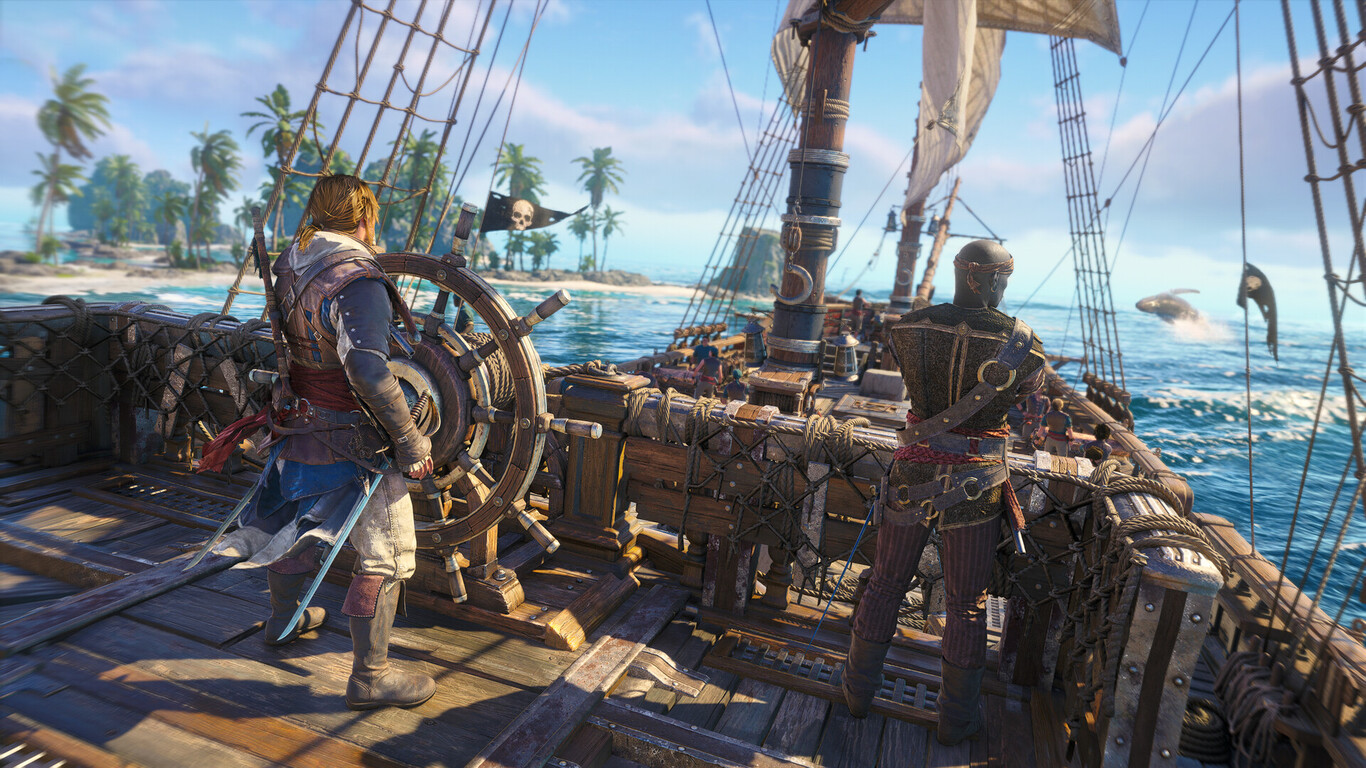
Following the record-breaking launch of Assassin’s Creed Black Flag Resynced, 51 employees at Ubisoft Barcelona are facing layoffs, while the studio’s works council says there are no economic grounds to justify the decision. The affected workers also claim that headquarters failed to mention the Barcelona team in the company-wide email celebrating the remake’s release, despite the studio’s major contribution to its development.
The success of Assassin’s Creed Black Flag Resynced is undeniable, with critics and players enthusiastically embracing the remake of one of the franchise’s most popular installments. The game approached 100,000 concurrent players on Steam during its first 24 hours, the highest figure ever recorded by an Assassin’s Creed title on the platform, turning Resynced into a major triumph for Ubisoft within just a few days, overshadowed only by harsh criticism of its microtransaction system.
However, some of the people who worked on the game, and without whom it could not have been completed, have been unable to celebrate that commercial success. Among them are employees at Ubisoft Barcelona, one of the support studios behind Resynced, where the company is preparing to dismiss 51 workers, representing 28 percent of the workforce. It is worth remembering that this is the same studio that organized Spain’s first video game industry strike last year and has long denounced the erosion of labor rights and a “toxic culture of positivity that is only now beginning to be overcome,” as employees previously described it to Anaitgames.
In November 2024, unions and the CGT had already filed legal action against the Barcelona office over the “sudden and opaque” changes made to its remote-work policies. Ubisoft ordered all employees back into the office, including people who had worked entirely from home for years, stripping them of benefits that included a better work-life balance. Those legal actions became possible because Ubisoft Barcelona employees had organized in July 2024, amid an increasingly visible company crisis, in cooperation with the Video Game Union Coordinating Committee. “Our rights are not bargaining chips,” they wrote on social media at the time.
At that point, more than 500 Ubisoft employees had already lost their jobs worldwide and three studios had closed, leading the Barcelona team to go on strike in February 2025. Their official statement, published through the Video Game Union Coordinating Committee, presented firm demands, with the reversal of the remote-work restrictions among the most prominent. “In the short term, our demands are the official recognition of the CGT union section at Ubisoft Barcelona and the immediate, indefinite suspension of policies reducing remote work, whose illegality we already denounced at the time. In the long term, we demand the establishment of genuine channels and commitments for negotiation that can lead to improvements in working conditions and worker representation,” read the statement coordinated with the French union STJV.
51 Layoffs After Development on Resynced Ended
To better understand what has happened inside the studio in recent weeks, how the launch was experienced, and how employees are protesting the decision, several members of Ubisoft Barcelona’s works council spoke about the situation while requesting anonymity for their own protection. The works council was formed only a few months ago, primarily because the union section affiliated with the CSVI and CGT could represent only its members rather than every interested employee. According to Anaitgames, HR and company management attempted to obstruct and even prevent its creation amid an atmosphere of “intense fear of reprisals.” Employees also reported acts of “intimidation” that they believed reflected serious anti-union conduct.
The workers said that the Barcelona team completed all of its work on Resynced around the middle of June. “That was when the entire group finally left the project as a support team,” they explained. Ubisoft commonly uses a process known as ramp-down, which usually lasts several months and gradually removes employees from a project until they are assigned to a new one. Several workers spent months without an assigned project after finishing their work on the Black Flag remake. “The ramp-down ended in mid-June, and immediately afterward we were informed of the studio’s intention to begin an ERE, a collective redundancy procedure,” they said. The announcement also came with the news that there would be no further Assassin’s Creed work in Barcelona and that the studio would focus on its current support for Rainbow Six Siege, while most of the 51 layoffs would affect people who had worked on Resynced.
There Are No Justifiable Economic Grounds for the Layoffs
To protest the announcement, Ubisoft Barcelona employees have been holding partial work stoppages several days each week since the beginning of the month, and they expect the action to continue until July 17. “We will not accept that the supposed need to make adjustments comes at the cost of destroying jobs or reducing acquired working conditions,” read a statement from the Union Coordinating Committee, which also demanded that all 51 affected positions be preserved.
“This is the third week of negotiations with the company, and the process is expected to conclude next week unless extensions are requested,” the workers explained during an interview conducted at the end of last week. According to them, the company could begin formally announcing the 51 layoffs this week. Several positions have been proposed for possible reassignment to the Rainbow Six team, but their number is extremely limited. “We are talking about fewer than ten people,” one worker clarified.
“Many of us attended the celebration, there was a great deal of discouragement, and everything felt cheap and ridiculous, but the team was very united, and it still is.”
Regarding the attempts at negotiation, workers said that partial work stoppages had so far been their main method of applying pressure. “During the first few weeks, we maintained a constant but methodical mobilization,” they explained. Only after several completely unsuccessful rounds of negotiations did they receive a financial offer, which they described as barely above the legal minimum. “The workforce has voted by an overwhelming majority to go on strike this Tuesday, Wednesday, and Thursday, and we are planning demonstrations,” they said, adding that the intensity of the protest “will increase considerably over the coming days.”
A Deeply Bitter Celebration
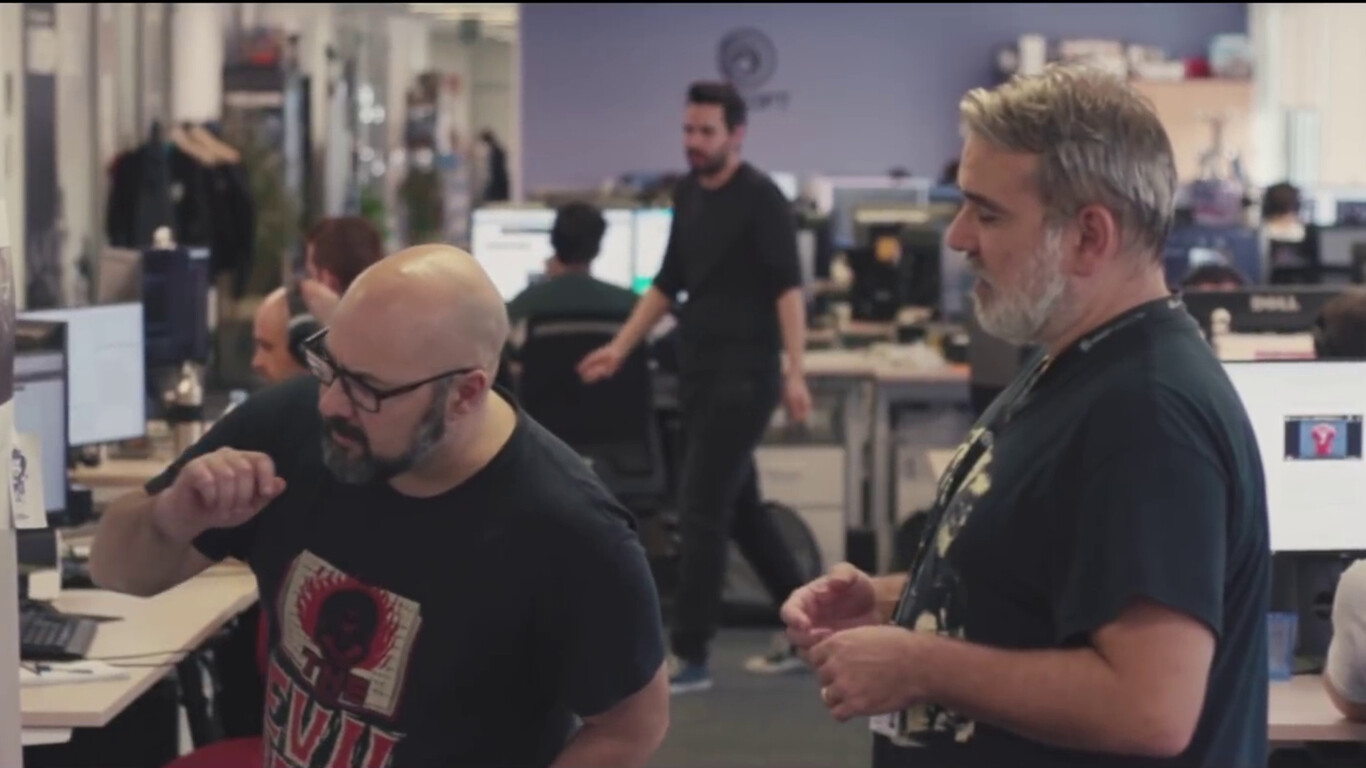
The employees’ description of the Resynced launch “celebration” paints an equally painful picture. “Workplace, the department responsible for organizing office events, decided that holding official celebrations would be inappropriate under the circumstances, so everything was canceled,” they explained. Their direct supervisors eventually tried to organize a small gathering because many colleagues wanted at least one moment together, but the catering was extremely limited because the event was arranged at the last minute by the team itself. “Many of us attended, there was a great deal of discouragement, and everything felt cheap and ridiculous, but the team was very united, and it still is,” they recalled. According to the workers, camaraderie ultimately saved launch day, with several employees asking colleagues to sign their personal copies of the game. Headquarters, meanwhile, sent out a company-wide email congratulating everyone on the release, “and it did not even mention the Barcelona studio, which went down very, very badly.”
Everyone asked about morale inside the studio agreed that it was “obviously low.” Employees described a mixture of anger and resignation, particularly because many of the people affected had spent a long time at the company. Development of the remake was especially difficult for the Barcelona team, creating a widespread feeling that “it was all for nothing.” “We have not even been able to celebrate the launch properly because we are more concerned about being out on the street in a few weeks,” they said. Anger has continued to grow over the company’s financial and compensation proposals, which workers described as “humiliating.” As a result, they said there was “an astronomical sense of outrage,” particularly because they believe there are no genuine economic grounds behind the procedure and that the Barcelona studio cannot report losses.
“Barcelona has always been profitable. This is the consequence of bad decisions made by an extremely hierarchical company.”
“Barcelona has always been profitable,” the employees insisted. They argued that the studio had consistently performed well and had simply stopped fitting into the Ubisoft group’s new strategy, which is why management intends to let it go. The workers believe they have enough experience to continue contributing value to both the brand and the wider group, but they were never given an opportunity to challenge the decision or demonstrate that value. Referring to the union’s position, they added: “This is the consequence of bad decisions made by an extremely hierarchical company, decisions we have been warning against for a very long time.”
The workers emphasized that Ubisoft Barcelona had no responsibility for the wider group’s poor performance, yet its employees are the ones paying the price. Meanwhile, the senior executives who made those decisions remain in their positions. “This is obviously not something we want, and it is not something we are going to accept,” they stated.
The Work of the CSVI and the Works Council in the Coming Days
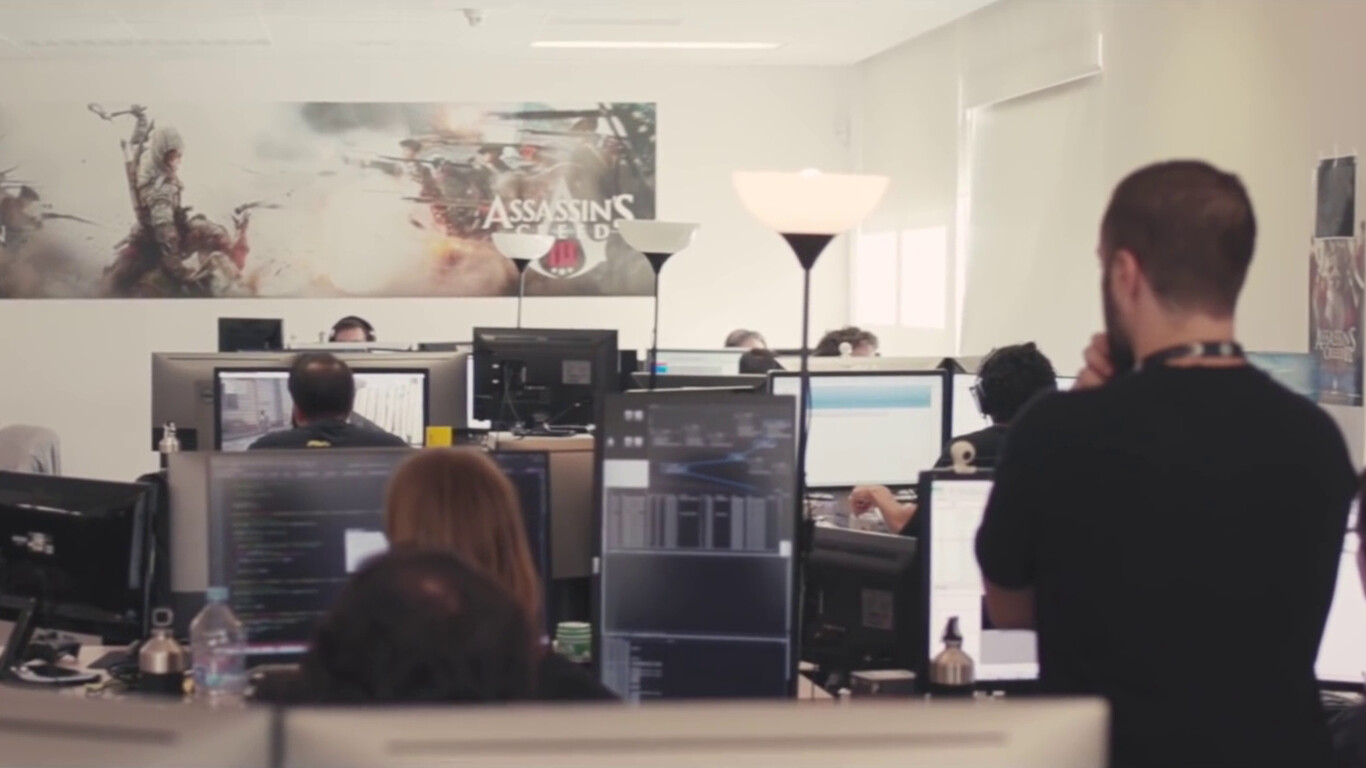
Regarding the support provided by the Union Coordinating Committee, the workers made it clear that without the training and legal assistance received over the past several years, they would have had neither the ability to mobilize nor a genuine negotiating body. “Without them, without the CSVI, none of this would have been possible,” they said firmly. They acknowledged that some of them may ultimately have to leave, but the works council will remain. The union presence inside the company and the worker awareness built over recent years will also continue. “Everything we have stirred up over these years is not going anywhere,” they said while looking toward the future.
Asked about the effects and possible consequences of the work stoppages held in recent weeks, the workers said the most important achievement was “breaking a taboo.” They carried out educational work, mobilized employees, and created a precedent through the strike calls and support networks that could remain important in the future. The organizing effort also drew unexpected participation from colleagues previously considered less committed or more neutral. It is still difficult to determine whether the economic and media impact has been positive because the protest and negotiation process is not yet over. “Internally, however, we believe it has had a very significant impact,” they added.
In 2026 alone, Ubisoft has already laid off more than 480 employees, including the imminent cuts at Ubisoft Barcelona. Since 2024, the total number of affected workers is estimated to exceed one thousand, while several studios, including those in Halifax, Stockholm, Belgrade, and Winnipeg, have closed. Last year, the French company also faced one of the greatest crises in its history over serious allegations of sexual abuse and harassment involving senior figures at its main Paris studio and dating back to 2020. The first major trial to emerge from the video game industry’s #MeToo movement resulted in convictions for the three main defendants, but CEO Yves Guillemot has still not been brought before a court over the corporate culture repeatedly described by employees as a “male fraternity.” Ubisoft itself has not been prosecuted either, despite victims accusing the company of allowing a workplace environment in which they were not adequately protected.
The Union Coordinating Committee said it would continue supporting the workforce and condemned what it described as Ubisoft’s “hypocrisy.” In its view, the company “celebrates the best Assassin’s Creed launch in years while laying off part of the team that made it possible.” “We consider what the company has offered employees during the redundancy procedure outrageous, and we will continue applying pressure and negotiating until we reach an agreement that leaves our affected colleagues in the best possible position,” the organization concluded.
Source: 3DJuegos













Leave a Reply