

Crunch has left serious consequences across the video game industry, and a former Rockstar Games producer has now recalled a particularly revealing story from the development of Max Payne 3. According to John Ricchio, one animator became so exhausted that he spent 40 minutes failing to complete a simple scene because he repeatedly fell asleep in front of his computer.
Crunch has generated terrible headlines throughout the video game industry over the years, but it has also left lasting trauma across entire studios, not to mention the employees who experienced its consequences directly. Although more companies have attempted to fight the practice in recent years, particularly major studios such as Rockstar, excessive overtime has not disappeared completely. This time, however, the story takes us back to the development of Max Payne 3 through John Ricchio, a former Rockstar Games producer who recalled an animator so exhausted that he could not complete a simple task because he kept falling asleep in front of his computer.
John Ricchio may not be a familiar name to every player, but the American industry veteran contributed to several major releases. He began his career at the now-defunct Midway Games before joining Rockstar San Diego in 2003, where he first worked on Spy Hunter 2. He later served as a producer on Max Payne 3, Red Dead Redemption, and Grand Theft Auto V, leaving the company only a year after the release of the latter. Ricchio subsequently worked at Hypixel Studios and later joined Riot Games, where he remains today.

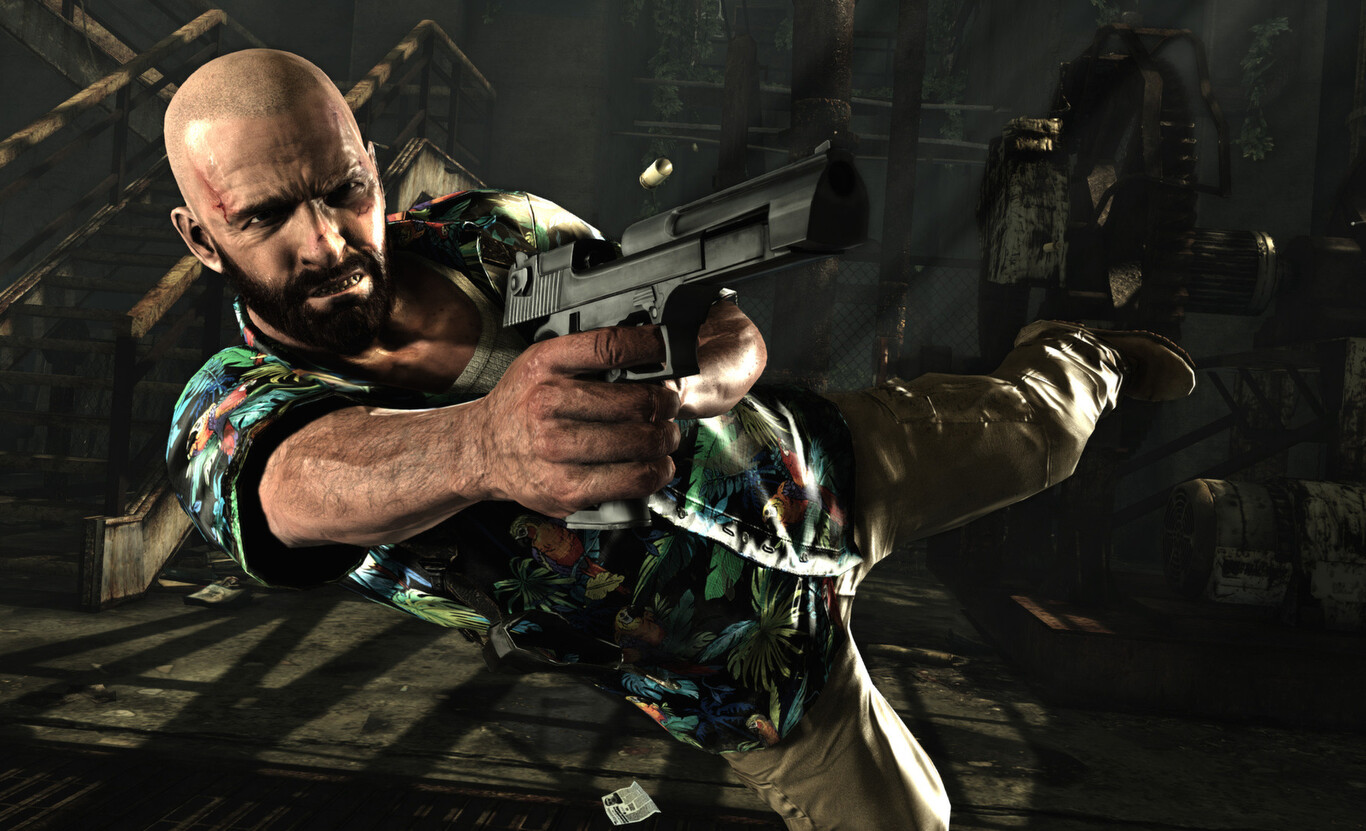
During an interview on the KIWI TALKZ podcast, Ricchio looked back at one of the studios most frequently associated with crunch in recent years. He worked as a producer on Max Payne 3, a project led primarily by Rockstar Vancouver but supported by virtually every team across the company. Development proved difficult, with Take-Two Interactive repeatedly extending the production schedule even though the game had originally been planned for release in 2009. Pressure rose to particularly troubling levels when the publisher did not even include the title among its releases for the 2011-2012 fiscal year, although Max Payne 3 eventually arrived in May 2012.
While discussing the stressful and troubling conditions surrounding development, Ricchio recalled spending roughly 40 minutes watching an animator work on a short scene in which a waiter placed a cork back into a bottle. “I’ll never forget it. All of our video sequences ran through Bink, so every one of them had to be precompiled in Bink before it could be added to the game, and that made changing anything incredibly difficult,” he explained. Bink Video is a widely used codec and playback system designed for displaying prerecorded video inside games.
“You couldn’t simply make a small adjustment and move on. You had to make the change, regenerate the video, and then add it back into the current game build. Every modification became an endless process because after fixing something, you had to wait for the entire operation to finish, confirm that everything worked correctly, and only then continue,” Ricchio said. The team had already spent so many hours and consecutive days working that completing tasks became increasingly difficult, as exhaustion repeatedly caused employees to fall asleep at their desks.
“There was a scene where a waiter put the cork back into the bottle, and that was all. I sat there and watched an exhausted animator spend 40 minutes unsuccessfully trying to animate that cork. He kept falling asleep, so I told him, ‘You need to go home and get some sleep. Come on.'” Ricchio drew a clear conclusion from the experience: “There is no point in staying when you are completely spent. Eventually we will release the game, and players will experience more of it during the first 72 hours than you ever did throughout the entire development process.” In his view, risking one’s health to squeeze out a few more hours of work made no sense.
“We have to help people, meaning developers, understand that we are going to release a game with another year’s worth of work still left in it,” he said, referring to bugs and smaller problems that cannot realistically all be fixed before launch. “The idea of finishing absolutely everything is not realistic, because you will not. You should come in, complete the most important tasks, focus on the things you can control best, make sure your priorities are correct, work through them, go home, and return the next day,” the former producer concluded.
Max Payne 3 Came to PC, but Other Games Did Not Because of “Resource Allocation”
During the same conversation, Ricchio also addressed another recurring question among Rockstar fans: why games such as Grand Theft Auto VI do not launch on PC at the same time as their console versions. According to him, the studio prefers to begin development within the technical limitations of PlayStation and Xbox hardware in order to create a stable and properly optimized foundation. Once that work is complete, expanding the project for PC is easier than attempting to scale back and adapt a version originally designed around a platform with far fewer restrictions.
The former producer added that the strategy is also a matter of allocating resources. Assigning time and employees to a PC version from the beginning means taking those resources away from other areas of development. Ricchio explained that a functional PC version of Red Dead Redemption existed during the project’s early stages, but Rockstar eventually shelved it so the entire team could focus on completing the console release. That computer version remained out of sight for many years and was not officially released until 2024.
Source: 3DJuegos














Leave a Reply