
S-Game’s CEO champions a rare philosophy in today’s gaming industry: passion and creativity over profit. Qiwei “Soulframe” Liang says, “Many people make games for money, but we make money to make games.”
In recent years, the video game industry has undergone sweeping changes. This is not only about technical advancements, richer storytelling, and teams expanding every quarter, but also about a new philosophy—one that, in the largest companies, is more about chasing multi-million-dollar profits than offering a fulfilling experience from the start. Yet some still embrace the old-school mentality that once fueled creativity in the medium. A prime example is China’s S-Game, the studio behind the highly anticipated Phantom Blade 0.
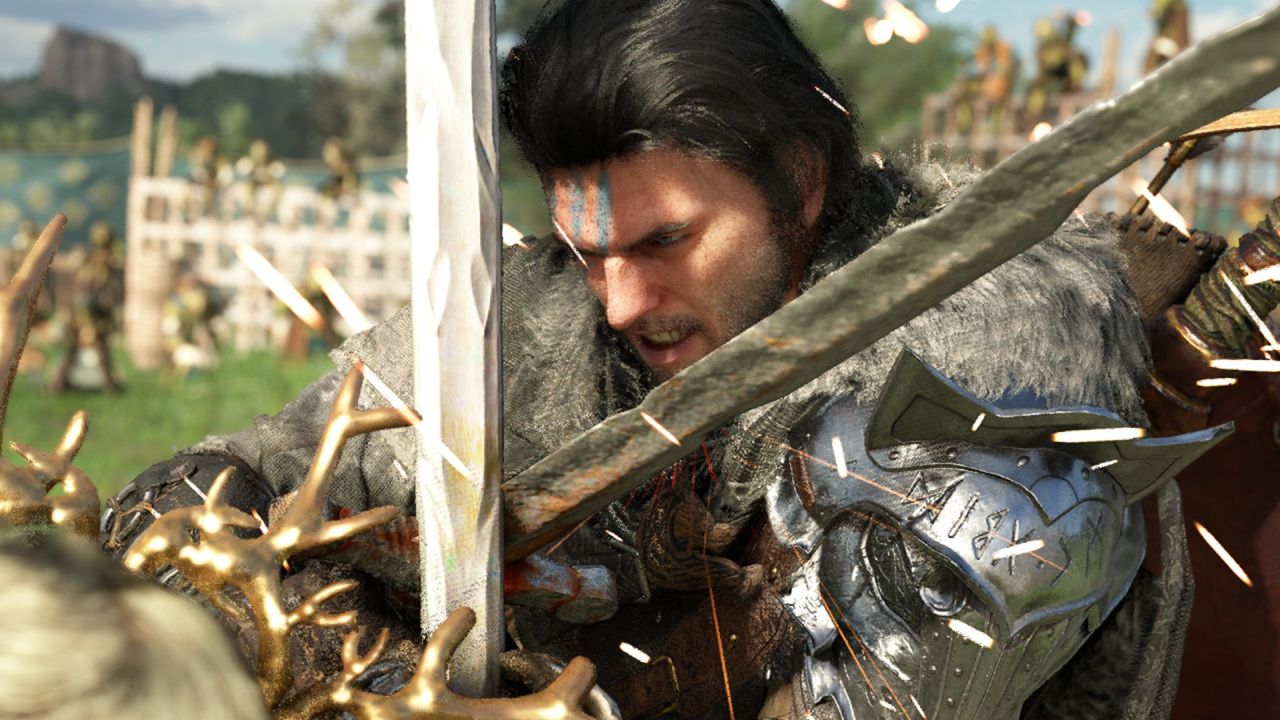
Today, S-Game is in the global spotlight, capturing the interest of thousands of players worldwide. And for good reason: Phantom Blade 0 promises a spectacular kung-fu action adventure in a dark fantasy setting, presented with stunning visuals. This team, however, is no newcomer—they’ve been active in the industry for years. It’s thanks to the success of previous titles that the company has been able to raise the resources for a much more ambitious vision. And for CEO Qiwei “Soulframe” Liang, that’s what game development is truly about.
“When I finished my second RPG, I got an offer from an architectural firm in New York, but I came back to China on vacation and saw what seemed to be a trend—the Chinese video game industry was growing,” the CEO recalls in an interview with PC Gamer. “I thought it could be a great opportunity. Then I met my first investor, and she helped me start a small studio in China. So I turned down the offer from the New York office, packed my bags, and returned to China.”
Before starting work on Phantom Blade 0, S-Game developed two side-scrolling games: Rain Blood Chronicles: Mirage and Phantom Blade: Executioners (China-only), both for PC, consoles, and mobile. But the studio’s real goal was always to create something like the ambitious action experience fans are now excited about. “That scale, sidescrolling, and kung-fu moves/skills, while cool, I’d say weren’t enough,” Soulframe continues. “I’m proud of them, but they weren’t enough to express my idea of building this Phantom world.”
PC Gamer draws a parallel to Larian Studios, which moved from Divinity: Original Sin to the much larger-scale Baldur’s Gate 3. Soulframe agrees: “A lot of people make games for money, but we make money to make games.” “We made money from the mobile market and initially thought we’d have to make this game without any investor support, so we put all the money we made from mobile into Phantom Blade 0.” The project’s early stages attracted so much interest from major industry players that S-Game eventually received funding from Tencent.
Phantom Blade 0 Doesn’t Need to Be the Biggest Game
Despite the backing of the massive Chinese conglomerate, S-Game remains focused on its vision. “When I played Expedition 33, it reminded me of Final Fantasy X because I lived through that era,” says Soulframe. “I always say I’d love to bring back some of the feelings from the PlayStation 1 and PlayStation 2 era, when games weren’t huge but were crafted by imaginative creators. Those kinds of games are very rare these days, something like Expedition 33. We hope our game can also express our ideas and be well polished. Maybe it won’t be the biggest game in the industry. It doesn’t have to be. But I hope it can convey our sincerity.”
Source: 3djuegos














Leave a Reply