
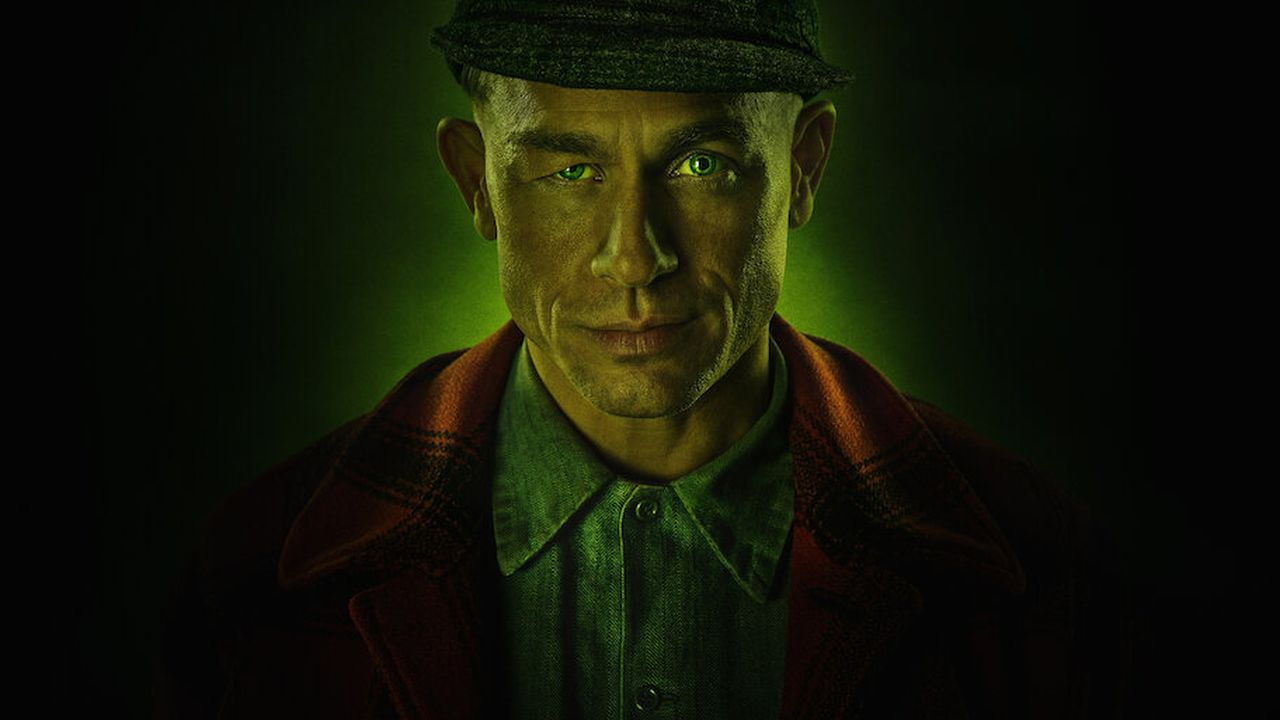
MOVIE NEWS – In the streaming boom, Netflix turned figures like Ed Gein into bingeable anti-heroes—and in the process quietly warped how we think about psychology; “psychopathy” now saturates our screens, and experts warn the fallout runs far deeper than most imagine.
Our uneasy fascination with infamous offenders isn’t new, but it’s clearly in a boom era: streaming has elevated once-sensational headlines into a pop-culture subgenre where names like Ted Bundy and Ed Gein take center stage.
The problem isn’t just glamorization. It’s that “psychopath” has become a throwaway tag. Specialists stress the term was never a rock-solid diagnosis; treating it as one—fueled by morbid curiosity and stereotypes—distorts care and even court outcomes.
Clinically, the mass-market “psychopath” isn’t a precise label. The closest recognized category is antisocial personality disorder (ASPD), which weighs multiple factors: life context, how patterns evolve over time, and crucially when they begin. Broadly, if symptoms don’t appear before age 15, it doesn’t fit the classic picture.
The stakes spike once that label enters courtrooms—on the tide of true-crime books, podcasts, films, and series. As University of Toronto researcher Rasmus Larsen notes, studies using mock juries show that invoking “psychopath” inflates perceived dangerousness and can push sentences beyond what evidence justifies.
Given two identical cases, the labeled one reliably draws harsher punishment—because the myth of “biological evil” has sunk into our collective imagination. Paradoxically, despite nonstop exposure, examples like Larsen’s reveal how little we truly understand about the phenomenon.
Source: 3DJuegos














Leave a Reply