
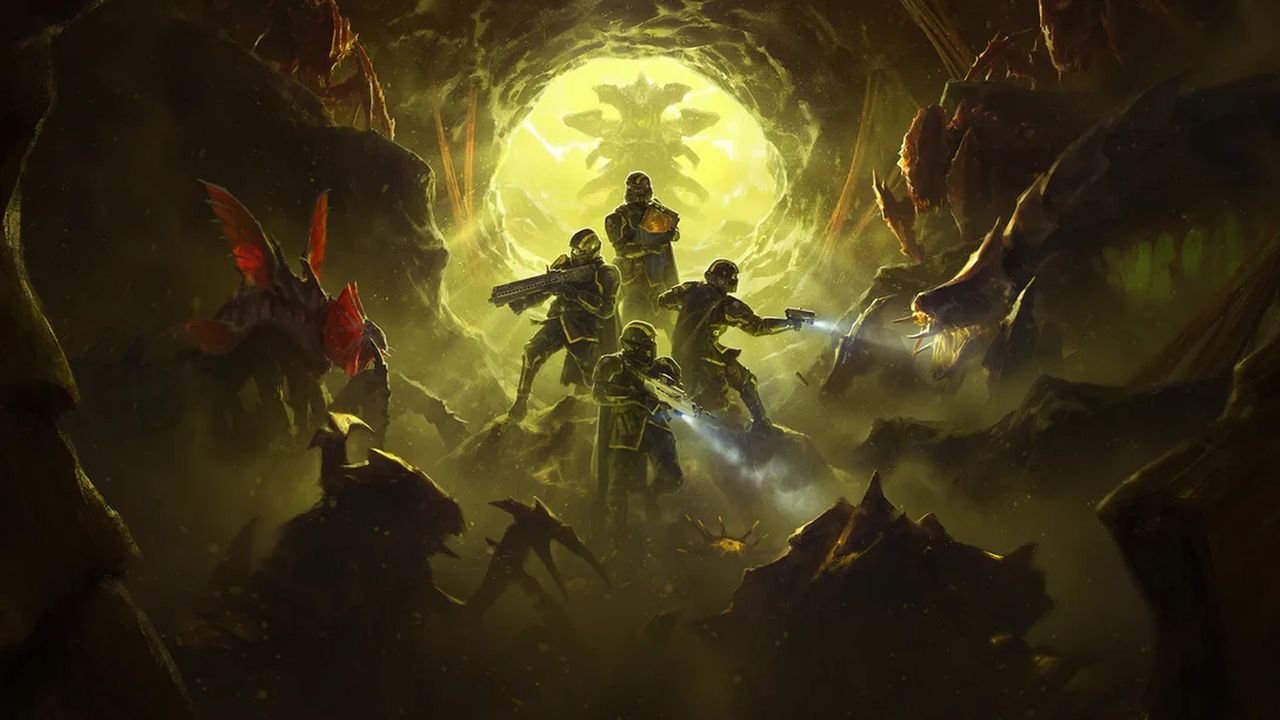
More than a year and a half after launch, the co-op shooter is still thriving, but Arrowhead has learned the hard way that quality-of-life fixes beat a flood of new features.
It’s been over a year and a half since Helldivers 2 launched. Plenty of players still dive in, and it looks set for years of updates. But the studio has realized that chasing novelty alone isn’t a winning strategy—polish that improves day-to-day play often matters more. Recent community feedback echoes this: a stable foundation beats breakneck content drops.
In case you missed it, the last few weeks brought performance hiccups, shaky optimization, crashes, and gameplay bugs. Many stem from accumulated technical debt, and September’s “Into Unfairness” update forced a rethink. Arrowhead now has a plan centered on fixes and overall health—acknowledging that funneling resources into “good content” isn’t always the best approach.
In a recent Q&A, game director Mikael Eriksson confessed the team focused “too much on doing new things” and “not enough on fixing the problems we already had.” Arrowhead is owning the misstep, which helped push recent Steam reviews toward “Mixed.” The studio has therefore flipped its priorities.
Arrowhead is delaying some content updates while zeroing in on stability, performance, and bug fixing to reach a steadier state and avoid a repeat. The immediate plan separates fast, targeted hotfixes from deeper optimization—like reducing the PC build’s footprint, which currently exceeds the console size by over 100 GB.
The team also wants to tighten internal pipelines so each update is “more stable and delivers noticeable improvements.” Eriksson conceded that the “Towards Unfairness” patch brought “more problems” than expected; next up are fixes arriving “relatively quickly,” while the heavy-lift performance work will take longer, with broad gains likely surfacing in 2026.
The plan reportedly targets a bi-weekly patch cadence over the coming months to steadily whittle down critical bugs before resuming the content roadmap. CEO Shams Jorjani has already cautioned that “significant improvements” in performance will take “many months” and several patches before the game returns to a “normal” state.
The message also pushes back on claims that the Gameguard anti-cheat is the true culprit—an idea the studio head has firmly denied. “I’ve said it countless times: we see no evidence that Gameguard impacts performance,” Jorjani added the effect is negligible, though the team is still investigating thoroughly.
The takeaway: in live service, shipping more content isn’t always the answer. To enjoy the shooter, players need stability first. Arrowhead isn’t Epic with Fortnite, so its resources must stay focused. Expect fewer big drops in 2026 than in 2025—and that’s fine. Meanwhile, a small team remains in pre-production on Arrowhead’s next project, which may not be published by Sony, even as Helldivers 2 got the green light for Xbox Series X|S.
Player sentiment suggests this pivot is right: long-term health beats short-term hype, and content can resume once the base is solid.
Source: 3djuegos














Leave a Reply