
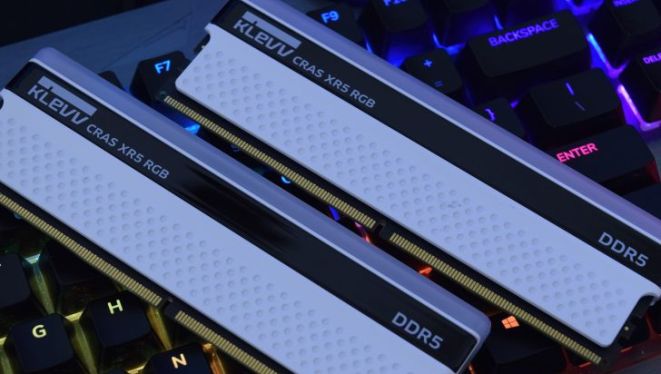
TECH NEWS – According to the supply chain, new products will be significantly more expensive, and, as always, we will be the ones paying the bill.
The global memory shortage has been front-page news almost everywhere, but one lesser-discussed aspect is that PC manufacturers are still relying on inventory accumulated in previous quarters. This is why price increases have not yet been as noticeable for laptops as they have been for RAM modules. However, according to ZDNet Korea, citing an anonymous supply chain source, major PC manufacturers are already taking losses by maintaining current price levels.
PC makers react sharply even when manufacturing costs rise by a single cent (US$0.01). And if manufacturing costs jump by tens of dollars, losses are inevitable. Prices of essential laptop components – processors, batteries, memory, and SSDs – have all risen significantly. Manufacturers have no choice but to raise the prices of next year’s products by at least 20% while quickly phasing out existing models.
This 20% price hike will apply to all next-generation products, aligning with rumors that GPU prices will also rise in the coming quarters. Devices built on Intel’s Panther Lake or AMD’s Gorgon Point APUs will be noticeably more expensive than their predecessors, as Asus, Acer, and Lenovo lack sufficient inventory to keep current pricing structures intact. Interestingly, increasing DRAM production brings its own complications, which we will discuss later.
Samsung and SK Hynix are also considering the risk of oversupply if DRAM production is drastically increased – a scenario that could lead to periodic supply disruptions for DRAM-based products in the PC industry. All signs point toward PC manufacturing becoming significantly more expensive next year, with the memory shortage potentially lasting until 2028.














Leave a Reply