
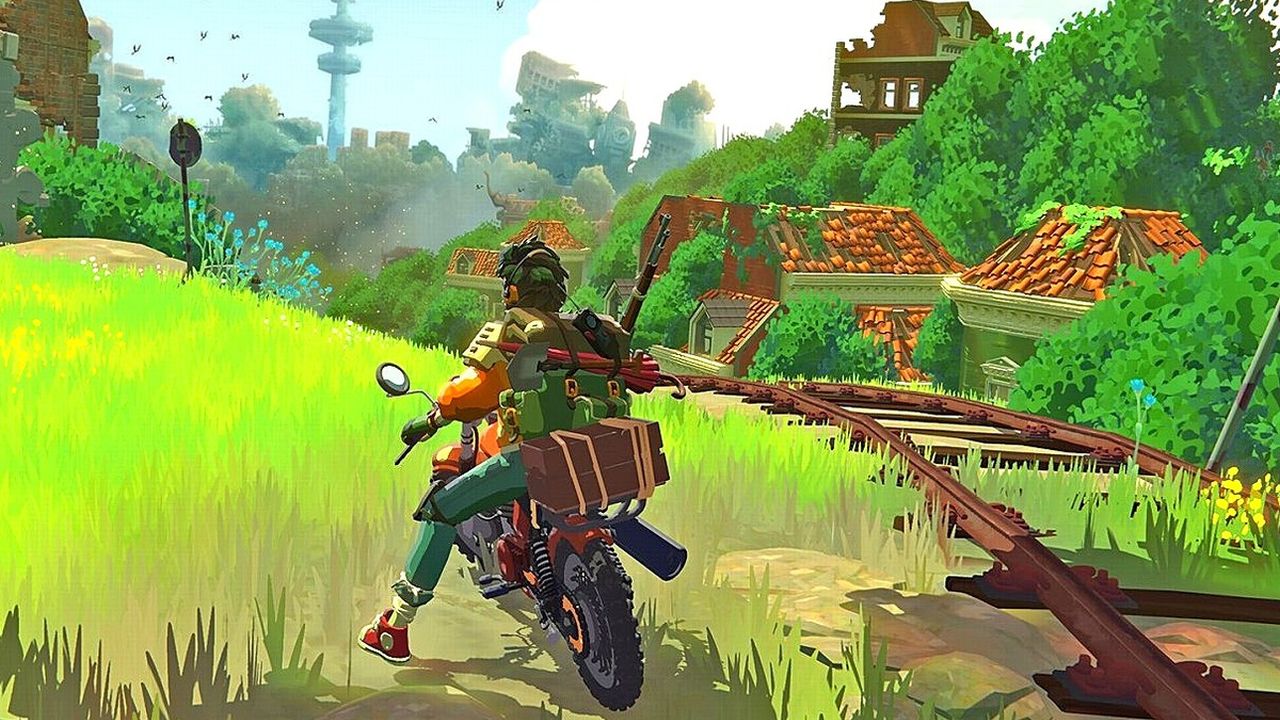
Verdant doesn’t just look stunning; it introduces a daring concept that could reshape how survival games communicate with players. Tiny Roar’s new project abandons the traditional interface entirely, relying instead on the player’s senses and the character’s physical reactions. The result is an experience that feels retro, modern, and refreshingly immersive all at once.
The survival genre rarely sees an idea that genuinely breaks the mold, yet Verdant is shaping up to be exactly that. Revealed during the Wholesome Snack Showcase, the game throws players into a post-apocalyptic world wrapped in unmistakable 1980s aesthetics, while removing any form of UI guidance. With no markers, meters, or on-screen prompts, exploration becomes personal, instinct-driven, and strikingly open-ended.
The protagonist, Sprout, carries a mysterious mutation that lets him sense and channel the essence of life. This ability not only defines how the story unfolds but also influences how the world responds to the player’s actions. While narrative usually takes a back seat in traditional survival titles, the studio wants to anchor the experience with a clear motivation: uncovering the origin of Sprout’s mutation.
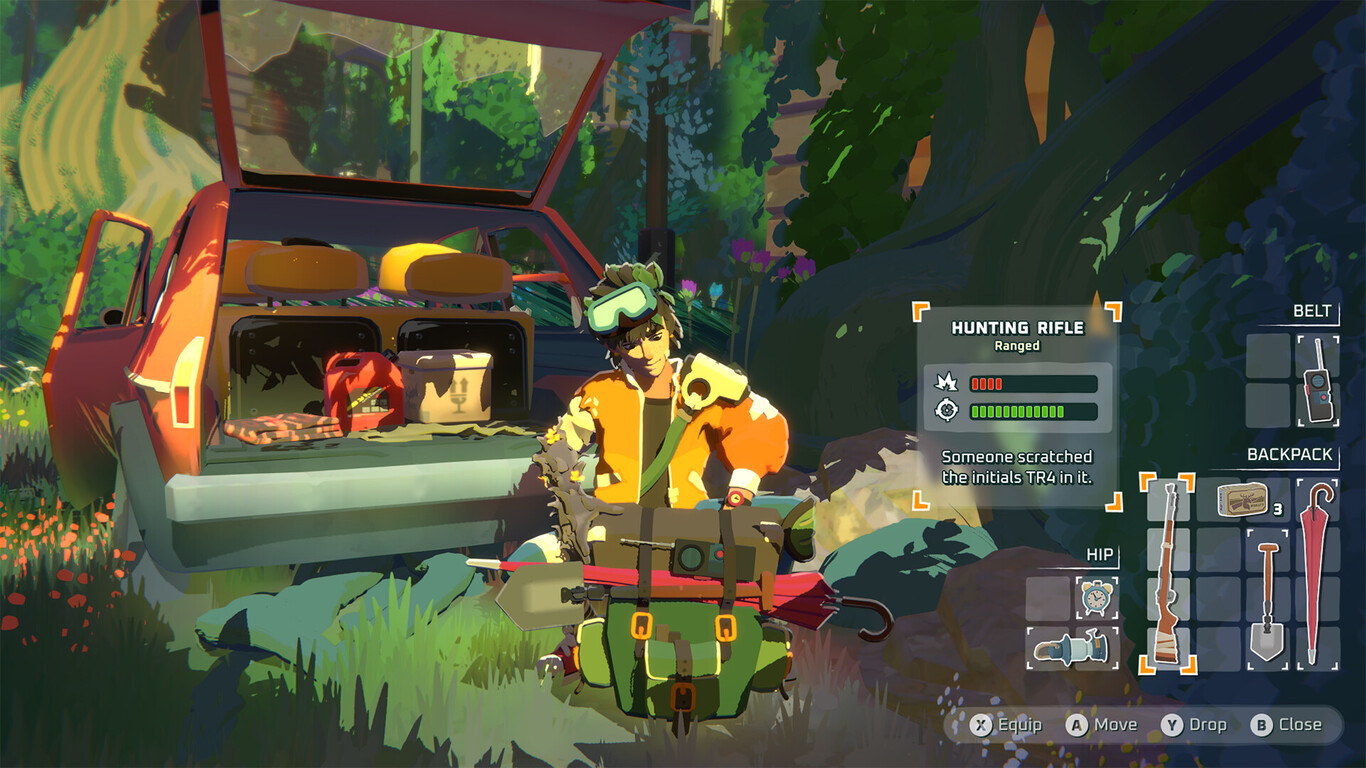
A Survival Game Where Your Body Is the Interface
The world of Verdant emerges from the ashes of a fictional war that left humanity permanently stuck in an 80s-inspired cultural freeze. Nature has reclaimed collapsing cities, now teeming with hostile creatures. Players must gather resources, hunt for food, rely on a motorcycle for long-distance travel, and avoid direct combat since weapons are scarce and weak – the classic fundamentals of survival gameplay.
The game’s defining twist lies in how it handles feedback. Tiny Roar insists that “the body should reveal what’s happening,” replacing health bars and status icons with sensory cues. A growling stomach might attract predators, blurred vision indicates exhaustion, and distorted perception hints at stress. These cues form a naturalistic informational system designed to enhance immersion without overwhelming the player.
Combined with its distinct visual identity – lush overgrowth, neon-tinged ruins, and thick retro-futuristic atmosphere – Verdant immediately sets itself apart from its competitors. It’s a bold decision, but one that could redefine how survival games convey information.
The studio previously created what many consider the best Dragon Ball game ever made, and topping that achievement seemed nearly impossible. Yet after playing Marvel Tokon, it’s clear they still have the creative momentum to surprise everyone again.
Details remain scarce for now. Verdant is confirmed for PC, but no release date has been announced. Even so, the premise alone has already sparked major interest among fans of the genre.
Source: GryOnline














Leave a Reply