
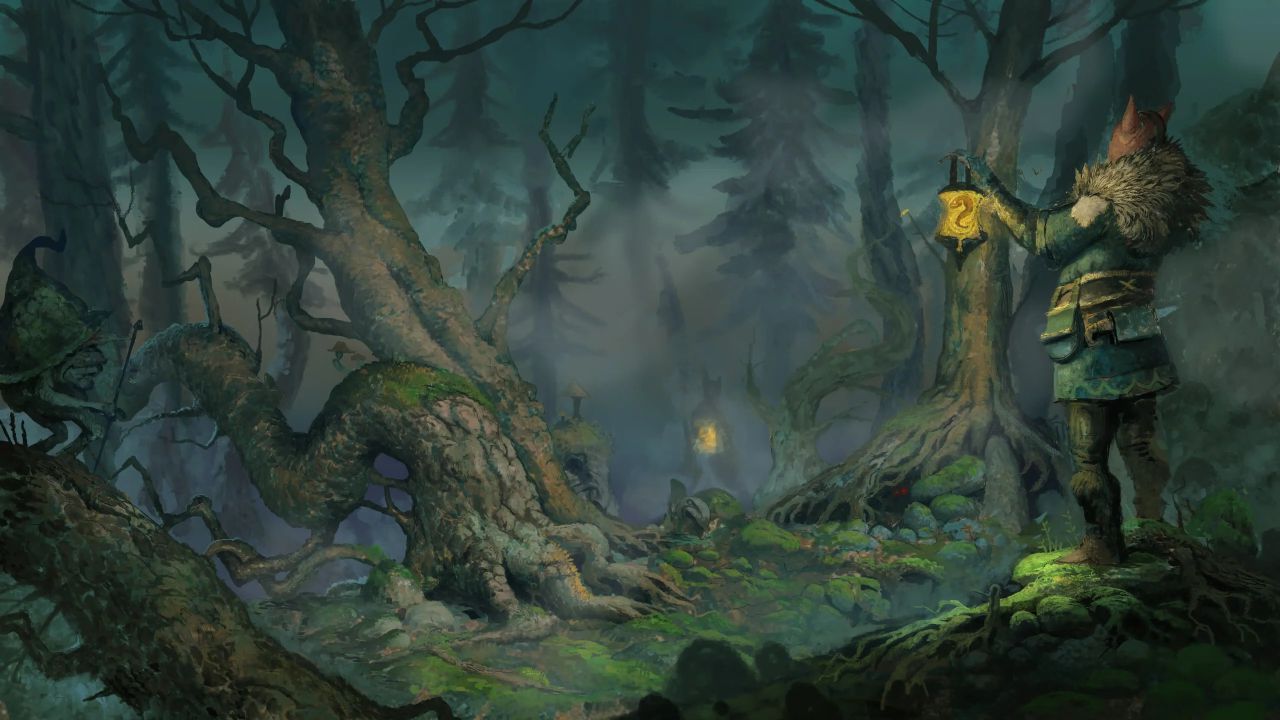
REVIEW – Crossings drops you into a harsh, Norse-inspired afterlife and proves, within a few runs, that its combat was built for VR from the ground up. The melee is demanding, the gesture-cast magic clicks fast, and the roguelite loop has that dangerous one more run pull. Once the game’s wordless co-op arrives, the whole package looks even more distinctive.
Crossings can look like familiar territory at a glance: a run-based climb, incremental power, and a world designed to knock you down until you learn. But it hooks harder than that. You play a fallen warrior pushing through hostile realms packed with draugr, trolls, goblins, and other myth-fed nightmares, trying to go a little farther each attempt. The appeal isn’t spectacle. It’s the steady shift from panic to control, where the game stops feeling unfair and starts feeling precise.
The story stays light on purpose, and it works. There’s no cinematic dump and no lecture about lore. The environments do the heavy lifting: broken structures, fog-heavy paths, cold light, and a constant sense that this place would prefer you didn’t exist in it. Death, trial, and return aren’t just themes here, they’re the engine. Each run feels like another shot at understanding the rules of the place and surviving long enough to bend them.

Melee that matters: you can’t flail your way through this
This is a combat-first roguelite, and that focus pays off. Crossings isn’t interested in letting physics carry sloppy swings. Enemies pressure you, patterns matter, and mistakes get punished fast. Blocking and well-timed counters are core tools, not optional flair, and positioning can save you more often than a bigger damage number. When you get surrounded, you feel it immediately.
Deeper into a run, the pace tightens. You start making cleaner decisions, you stop overcommitting, and you learn which threats need attention first. That tension is exactly what makes it satisfying. The game doesn’t rely on cheap scares. It creates pressure by demanding accuracy, then rewarding you when you finally deliver it.
Weapons follow the roguelite blueprint, but they don’t feel like simple stat upgrades. You’ll rotate through swords, axes, clubs, and bows, and each run can roll different perks and effects. More importantly, how you swing and how you chain attacks can change outcomes: certain sequences reliably stagger, others lean into elemental effects or status damage. Experimentation isn’t a risk, it’s the point, because every weapon class teaches a slightly different rhythm.

Gesture magic that actually belongs in the fight
Magic is where the combat really opens up. Spells are cast through arm gestures, and in practice it feels natural quickly, especially once you start weaving it into melee exchanges. Hit the timing and you get those distinctly VR moments: cast, reposition, strike, then reset before the room collapses on you. The spell set leans into elements – fire, ice, lightning, poison, wind, and root-based control – and the key is that it’s designed to chain with weapon play rather than sit in a separate lane.
Difficulty ramps up aggressively as you progress. Enemies hit harder, encounters get busier, and bosses demand full attention. Arrive underbuilt and they’ll erase a run in seconds. That’s why run-to-run pickups matter: extra health, passive boosts, and build-shaping choices often decide whether you push forward or get sent back to the start.
Balance isn’t perfect, though. Club-type weapons are an obvious pressure release valve. They stagger too easily, and with a simple two-hit rhythm you can lock enemies down in a way that drains a lot of the intended tension. It doesn’t ruin the experience, but once you notice it, it becomes the path of least resistance.
Progression outside runs is clean and satisfying. Upgrades make future attempts more manageable without deleting the challenge, so failure rarely feels like wasted time. Even a bad run feeds the next one, which keeps the loop fair.

Potions, trinkets, and altar choices: your build is born per run
Crossings keeps you thinking beyond moment-to-moment combat. Potions restore health and mana, trinkets add passive boosts and odd effects, and modifiers can reshape how your run behaves – damage and status effects, elemental power, loot quality, mana regeneration, resource costs, even enemy patterns and world conditions. Some choices are straightforward upgrades, others are tempting risks, and that push-pull is where roguelites thrive.
Between runs, you also make meaningful setup decisions. You can choose a starting weapon, customize your look, and select an altar offering that changes the next attempt, sometimes with a painful tradeoff. The world itself keeps shifting too. You return to places you recognize, but paths bend, side areas appear, and the run refuses to become a memorized checklist. That constant reconfiguration does a lot of work for replay value.
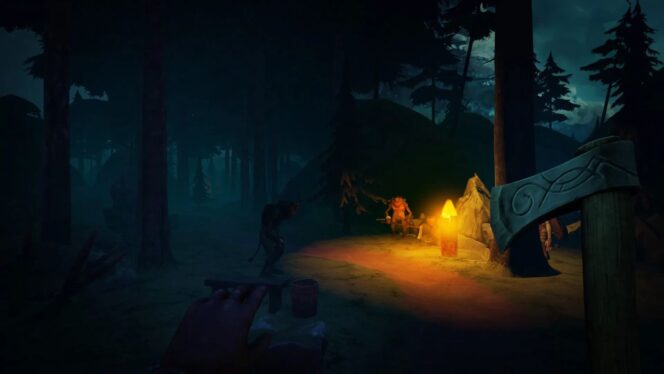
Atmosphere and performance: moody, readable, and comfortable to play
Presentation is strong and well matched to the theme. The palette stays muted, the lighting does heavy lifting, and fog, torchlight, and spell effects give spaces depth without drowning readability. Enemy silhouettes are clear – crucial in a game built around reaction windows – and combat remains responsive over longer sessions. The result is immersive for the right reason: the game doesn’t fight your headset, it fights your decision-making.
Audio helps sell the world. Impacts feel weighty, enemy sounds stay unsettling without turning into noise, and the music supports the tone without constantly demanding attention. It’s the kind of soundscape that makes silence feel suspicious, which is exactly what this setting needs.
Co-op is also one of the game’s most interesting promises. The pitch is wordless and seamless: no voice chat, no usernames, just presence, movement, and body language. The developers describe two co-op modes coming in a free update, and the full co-op rollout is lined up with the SteamVR launch.
Final verdict: tough, smart, and hard to put down
Crossings succeeds because its combat is consistent: it punishes mistakes, rewards learning, and never pretends that effort is optional. Gesture magic genuinely adds depth, the roguelite structure stays fresh through build decisions and a shifting world, and the atmosphere keeps the pressure on without leaning on gimmicks. It’s not flawless – clubs feel overtuned and the narrative stays deliberately understated – but the core experience is strong enough that those issues read as edges to sand down, not reasons to walk away. If you want challenging VR combat with a real physical cadence, this is an easy recommendation.
-Herpai Gergely „BadSector”-
Pros:
+ Excellent, skill-driven melee combat where blocks and timing actually matter
+ Gesture-cast magic that blends naturally into weapon play
+ Strong replay value through per-run builds, modifiers, and a shifting world
Cons:
– Club-type weapons can trivialize fights through overly reliable staggers
– Narrative is intentionally minimal, which may feel thin for story-first players
– The full co-op picture depends on the upcoming free update
Publisher: Neat Corporation, Creature Label
Developer: Neat Corporation
Genre: VR action roguelite (action-adventure) set in a Norse-inspired afterlife, with gesture magic and upcoming wordless co-op
Release: December 18, 2025 (Meta Quest), February 13, 2026 (PC VR – SteamVR)
Crossings
Direction - 7.1
Graphics - 6.6
VR Realism - 6.8
Music/Audio - 7.2
Ambience - 7
6.9
FAIR
Crossings delivers tough, precise VR combat where timing, positioning, and clean decision-making decide runs. Gesture-based spells add a satisfying second layer and make fights feel distinctly VR rather than “ported.” Balance could use tuning and co-op is still rolling out, but the core loop is compelling and highly replayable.












Leave a Reply