
MOVIE REVIEW – Mayday is the kind of movie that tells you exactly which shelf it came from within its opening ten minutes: a little Top Gun, a dose of Cold War spy cinema, two mismatched men, several well-staged fights, Bruce Springsteen, and Ryan Reynolds once again speaking as if every life-threatening situation had first been processed by his personal Deadpool writers’ room. Fortunately for John Francis Daley and Jonathan Goldstein, Kenneth Branagh is standing beside him, and his eccentric, America-obsessed former KGB agent quickly becomes a far more interesting character than the American pilot who is technically supposed to be the protagonist. Mayday is not a bad movie. At times, it is genuinely entertaining. It is simply one of those streaming productions that, two days later, survives more as a pleasant blur than a memorable cinematic experience.
It is 1987, and while the Cold War is slowly approaching its final chapter, nobody appears to have informed Troy “Assassin” Kelly. Ryan Reynolds’ US Navy pilot enters the movie like an alternate version of Maverick who tried stand-up comedy as a second career. He is talented, cocky, reckless, and naturally the obvious choice for a top-secret mission with about as much chance of going smoothly as a trip to IKEA that begins with the words “I’ll only be five minutes.”
His aircraft is shot down over the Soviet Union, leaving Troy stranded behind enemy lines. The first Russian he encounters, however, is not the bloodthirsty communist monster promised by propaganda. Nikolai Ustinov, or Nik as he prefers to be called, is a former KGB operative who secretly consumes American culture, watches Top Gun on bootleg VHS, and may actually love the United States more than a fair number of Americans. From this point onward, the real engine of the movie is less Troy’s escape than the bizarre bromance forming between a pilot hopelessly impressed with himself and a slightly melancholic, slightly unhinged former Soviet agent.
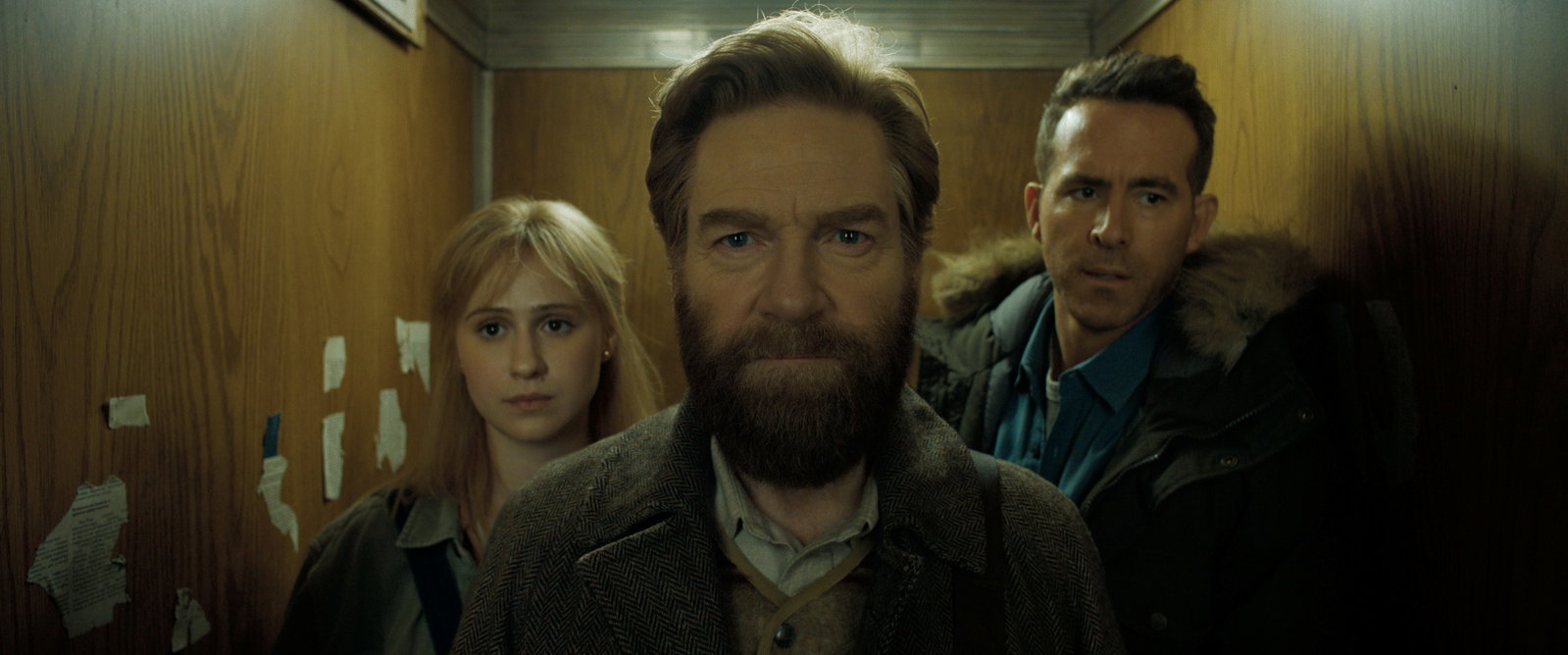
Branagh arrives, and suddenly the movie gets more interesting
Kenneth Branagh seems remarkably liberated in comedy mode. Nik’s Russian accent is naturally thick and his gestures sometimes drift toward caricature, but Branagh somehow keeps the character human. You can tell he is enjoying himself, and that enjoyment is infectious. One moment Nik is a lovable eccentric; the next, he reminds everyone that he used to work for the KGB and is considerably more dangerous than his illegal American VHS collection suggests.
Ryan Reynolds, by comparison, is basically Ryan Reynolds. That is not automatically an insult. Few actors can sell a tossed-off one-liner with a half-smile as effortlessly as he can. But by 2026 it is increasingly difficult not to notice that most of his characters resemble different shades of the same personality. Troy Kelly could easily be Wade Wilson’s cousin, except this time there is no mask and fewer opportunities to kick down the fourth wall.
The movie works best when Reynolds is not operating that familiar machinery alone and Branagh actually plays back against him. Nik’s naïve America worship collides nicely with Troy’s more cynical understanding of his own country, while both men are gradually forced to reconsider the simplified image they carry of the other side. This is not particularly profound political commentary, but in an era when movies often consider themselves socially incisive because someone stares seriously into the camera, the restraint is almost refreshing.

Top Gun, VHS, Springsteen, and an entire truckload of the Eighties
Daley and Goldstein clearly enjoy rummaging through their 1987 playground. The Top Gun references are not merely little winks at the audience; they are practically embedded in the film’s DNA. Nik watches Tom Cruise on an illegal VHS tape, Troy himself is essentially discount Maverick, and the flying sequences know precisely which memories they want to trigger in anyone who ever watched fighter jets slicing across a sunset.
Add Springsteen songs, Cold War production design, Soviet uniforms, period vehicles, analog technology, and the kind of uncomplicated pop-cultural nostalgia that has no intention of becoming a documentary about the 1980s. The Soviet Union here is primarily a cinematic playground filled with grim KGB officers, secret facilities, and soldiers suspicious of virtually everything.
That also means anyone searching for actual Cold War politics or historical nuance has boarded the wrong aircraft. Mayday has no desire to become Le Carré and makes very little effort to pretend otherwise. Its more pressing question is what would happen if a Top Gun parody collided with a lovable Russian ex-spy, then picked up a road movie and buddy comedy somewhere along the way.
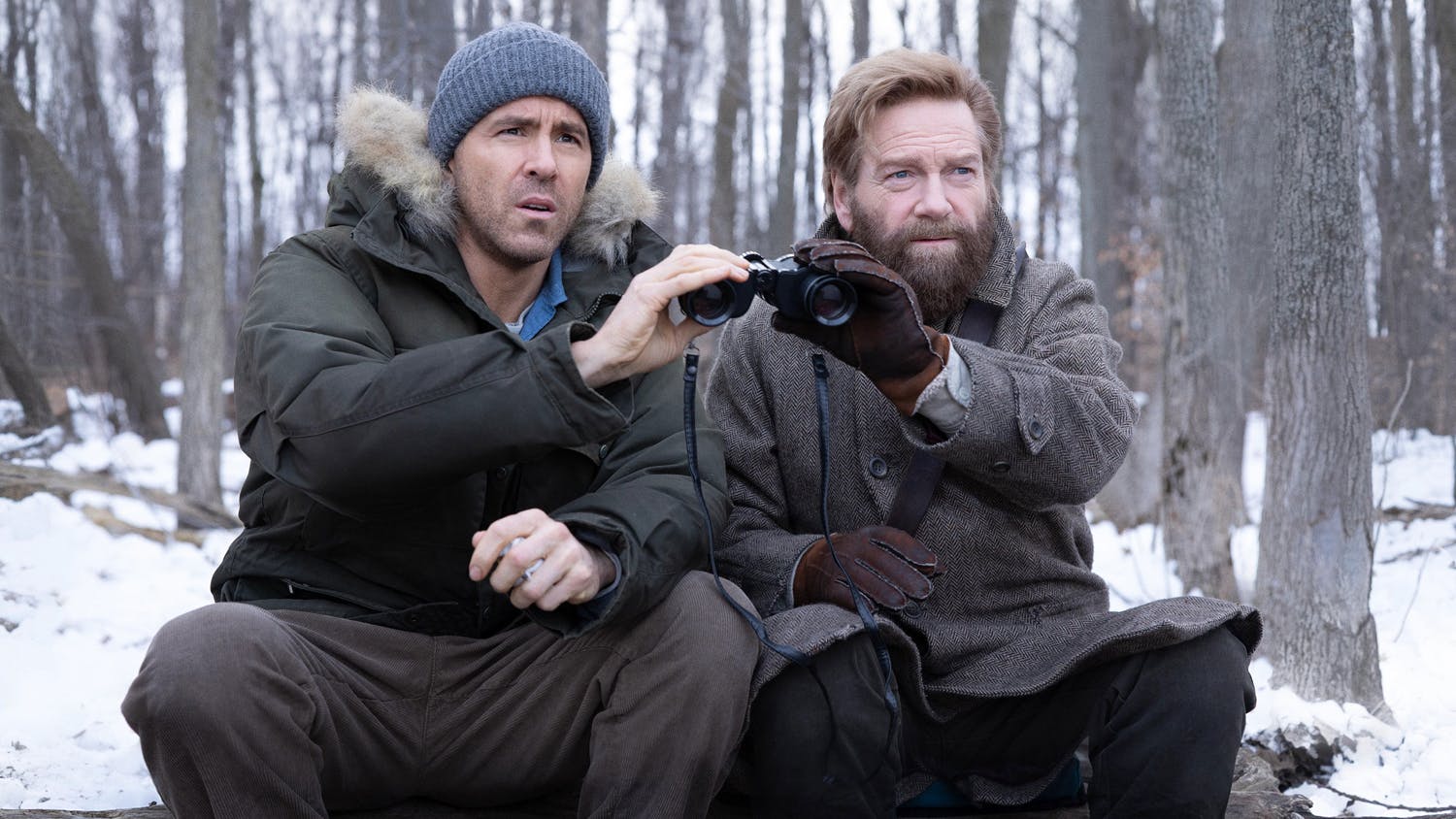
The action is better than it really needs to be
One of Daley and Goldstein’s strongest qualities remains their understanding of light action filmmaking. After Game Night and Dungeons & Dragons: Honor Among Thieves, this should hardly be surprising, but the action scenes in Mayday at least contain actual staging rather than a cut every three seconds in the hope that visual confusion will be mistaken for energy. The bar fight works particularly well: readable, rhythmic, and enhanced by Branagh’s unexpectedly funny physicality.
The same is true of several chase and aviation sequences. This is not Tom Cruise territory, where someone may genuinely strap a star to a fighter jet because authenticity demands it, but the film understands that action should be more than mandatory noise between dialogue scenes. Barry Peterson’s cinematography is clean, bright, and handsome, and the entire production visibly benefits from Apple money.
At the same time, there is something oddly sterile about it. Everything looks expensive, carefully lit, polished, and professionally composed, but occasionally it feels as if the Apple TV app itself started directing movies. The picture is immaculate, the production design is correct, the stars stand exactly where they should, a familiar song arrives on cue, and yet the film rarely develops a visual identity of its own.
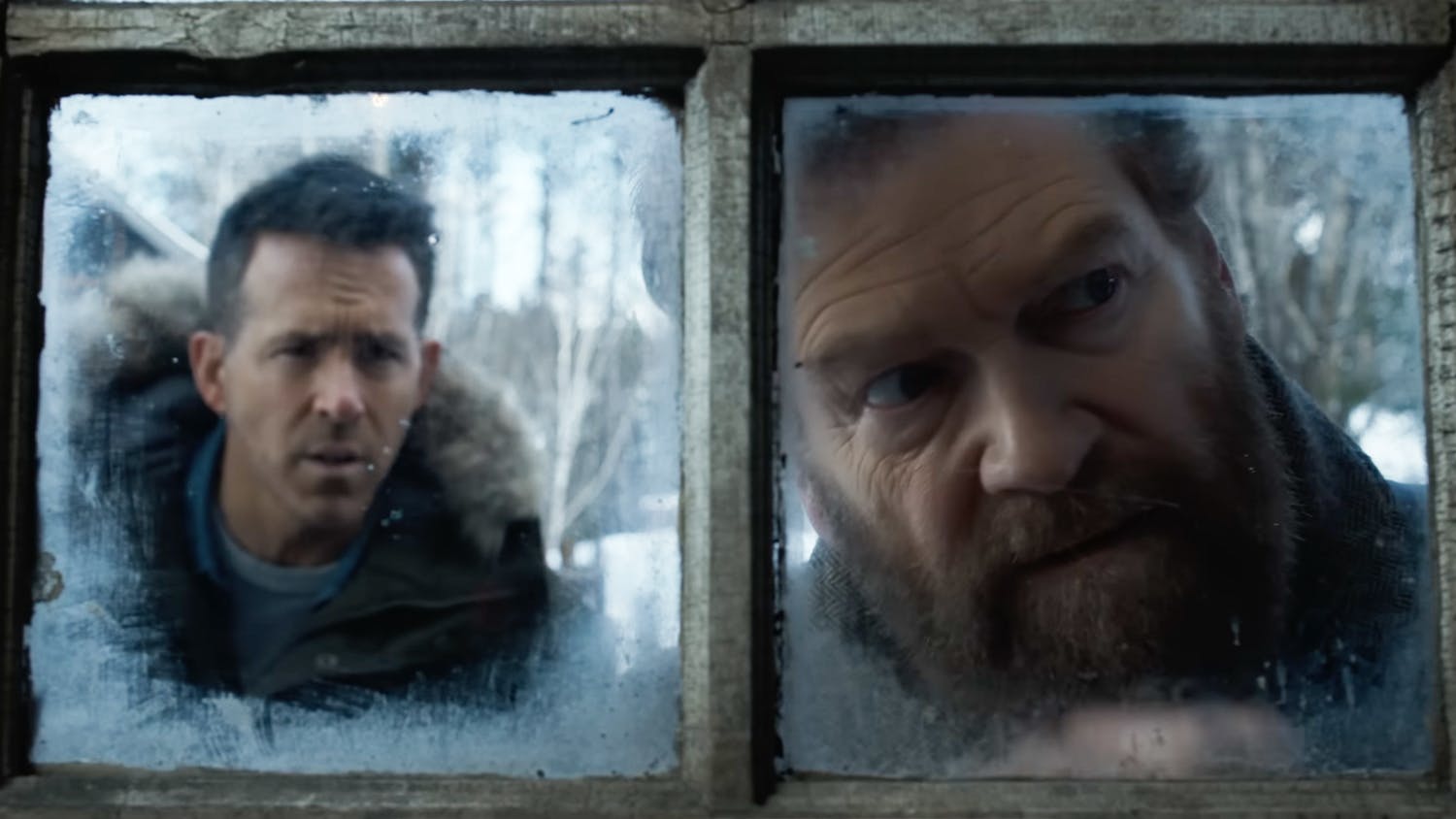
The jokes keep flying, but not all of them land
The comedy follows a similar pattern. Reynolds’ timing is dependable, Branagh proves a surprisingly capable comic partner, and several moments genuinely work. The culture-clash humor mostly lands, some of the Top Gun jokes are excellent, and the uncertainty in Nik and Troy’s relationship can carry entire scenes without much assistance.
The problem is that Goldstein and Daley occasionally trust quantity over precision. Fire enough one-liners and several will inevitably hit their target. They do. Others drop out of the sky like badly aimed Sidewinders. The movie spends considerable time setting up the explanation behind Troy’s callsign, for example, only for the eventual payoff to feel remarkably thin.
This is also part of the Reynolds problem. He delivers this style of humor so naturally that filmmakers frequently allow him to continue talking long after a more restrained movie might have cut the scene two lines earlier. For a while, it is charming. Eventually, you begin to realize that you are no longer watching Troy Kelly so much as the latest installation of the Ryan Reynolds Character Package.

When it suddenly decides it wants a heart
The second half attempts to add more emotional weight through Maria Bakalova’s Anna, Nik’s estranged dissident daughter. Her arrival does reveal another side of Branagh’s character, and these scenes work largely because Branagh can pull back from broad comedy in an instant. Beneath the eccentric ex-KGB operative, we suddenly glimpse a father, and the transition is considerably more convincing than it has any right to be.
The material involving Troy’s sick father is much less organic. David Morse is always welcome, but for much of the movie this subplot hangs from the side of the story like an emotional Post-it note that everyone knows will eventually have to be cashed in during the climax. It is not ineffective so much as visibly engineered.
The film’s most interesting idea is ultimately not the family drama but the fact that Troy and Nik both carry imaginary versions of the other man’s country inside their heads. Troy knows the Soviet Union through propaganda, while Nik has constructed America from films, music, and forbidden pop culture. Both gradually discover that reality is less convenient. Mayday briefly touches this idea, then quickly throws in another joke and a chase sequence before anyone has time to think about it too much.
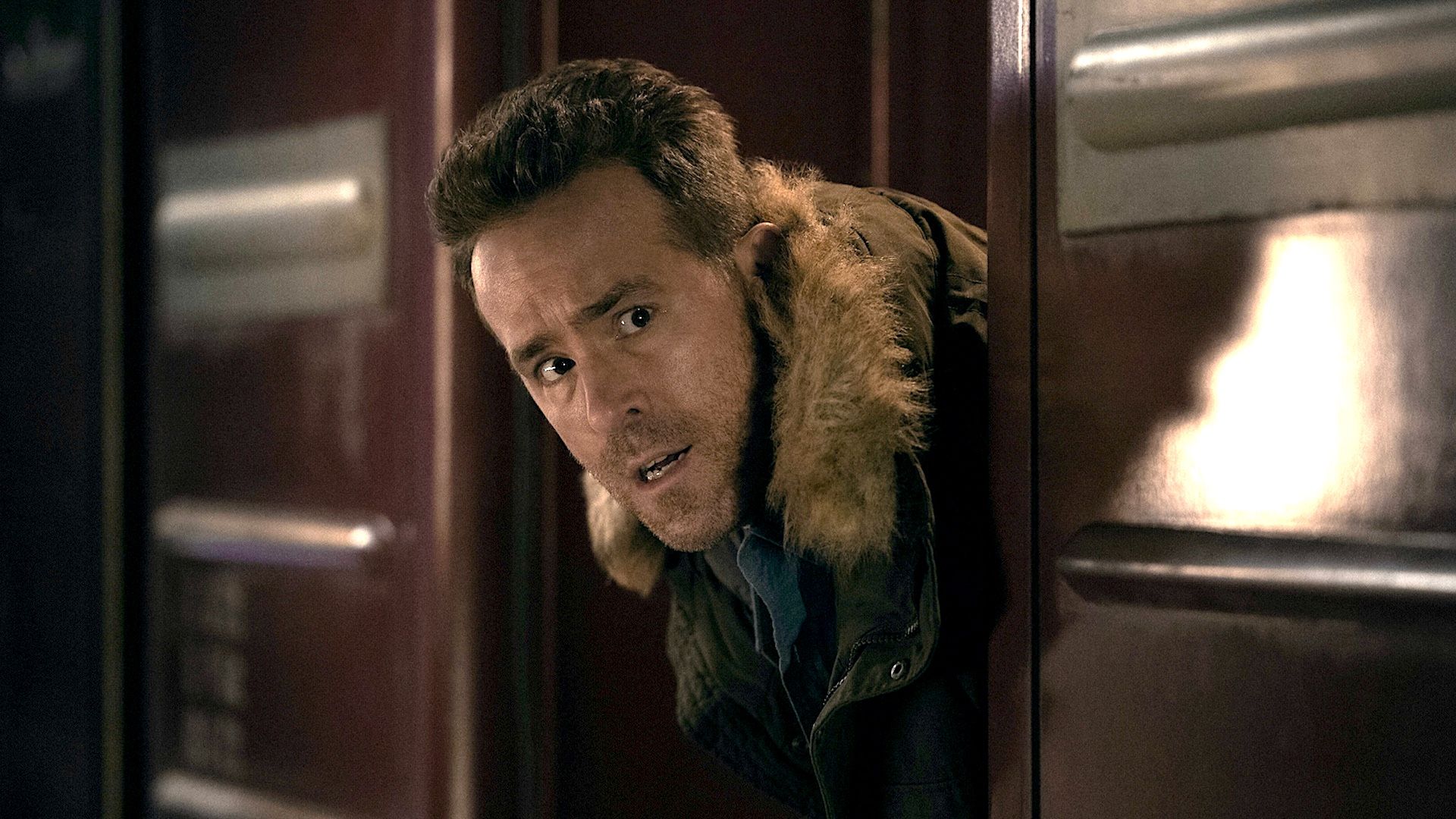
Another perfectly consumable Apple movie
And that may be the cleanest description of Mayday. Consumable. Watchable. Pleasant. Occasionally genuinely fun. Reynolds and Branagh work together, Branagh is particularly good, the action is competent, and the Eighties nostalgia is measured carefully enough that the whole film never feels like a commercial for a retro department store.
It simply rarely becomes more than that. Nearly every individual element in Mayday can be described as “fine,” while very few are likely to stick in your mind months later. The Top Gun references are amusing but exist in the shadow of Top Gun; the buddy comedy is likable but familiar; the Cold War backdrop is atmospheric but shallow; the family drama works but is predictable.
Branagh saves it from feeling completely algorithmic. Nik is ridiculous and melancholic, naïve and dangerous, and whenever Reynolds’ machine-gun one-liners leave him a few seconds of silence, Branagh regularly delivers the film’s best moments. If Mayday ends up being remembered for anything, it probably will not be its fighter jets or chase scenes, but how strangely right Kenneth Branagh looks as a Russian former KGB agent secretly watching Top Gun on VHS.
At 110 minutes, the movie is also slightly longer than it needs to be. Daley and Goldstein would have benefited from cutting ten or fifteen minutes, trimming a few mandatory emotional beats, and trusting the Reynolds-Branagh pairing a little more. As it stands, Mayday remains an agreeable Friday-night diversion that asks little concentration and works quite nicely with a beer and good company. Just do not be surprised if, by the next morning, you have to check your Apple TV history to remember what it was called.
-Gergely Herpai „BadSector”-
Mayday
Direction – 6.6
Actors – 7.3
Story – 5.7
Visuals/Music/Sounds – 6.8
Ambience – 5.6
6.4
FAIR
Mayday
Direction - 7.2
Actors - 7.6
Story/Humor - 6.2
Visuals/Music/Sounds - 6.8
Ambiance - 7.2
7
GOOD
Mayday is more likable and inventive than a large portion of the streaming action-comedy landscape, but that hardly makes it a modern classic. Ryan Reynolds once again plays a very familiar Ryan Reynolds character, while Kenneth Branagh steals much of the film whenever they share the screen. The Top Gun nostalgia, competent action, and chemistry between the leads easily carry most of the 110-minute runtime, while a thin story and occasionally manufactured emotion keep pulling it back down. Perfectly fine for an easy streaming night, just do not expect genuine lift-off.

Leave a Reply