
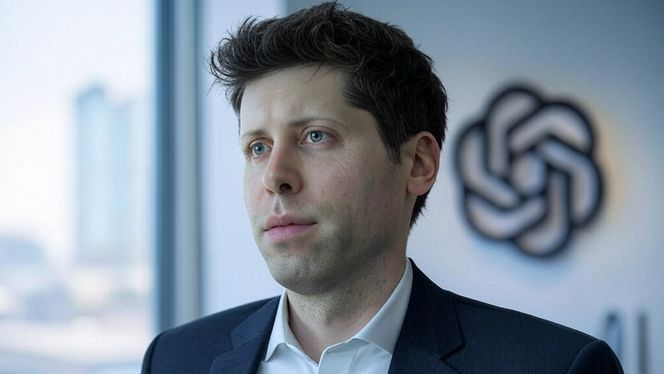
TECH NEWS – Sam Altman says that we could quickly find ourselves in over our heads if we share our deepest secrets with OpenAI’s technology.
Users increasingly rely on AI tools in their daily work, and some even visit the platform for medical, personal, and professional advice. The tool has become a sort of personal assistant, solving everyday problems and often leading to excessive dependence on chatbots. Although seeking therapy on the platform may seem harmless, there is no guarantee that the information shared will remain confidential, unlike with professional help, where confidentiality is guaranteed. Many people have started relying on chatbots for therapeutic or emotional support. Unlike traditional therapy, which emphasizes doctor-patient confidentiality, AI lacks the legal framework necessary to protect confidential conversations.
Sam Altman recently shared his concerns about sharing deeply personal matters on this platform. Altman acknowledged that, since AI tools now offer greater emotional understanding and are capable of more supportive conversations, they provide a certain level of privacy. However, users should not rely on AI for therapeutic or emotional support because it does not function like professional mental healthcare. Until appropriate regulations are in place, AI should not be considered a substitute for therapy.
“People talk to ChatGPT about the most personal things in their lives. Young people, in particular, use it as a therapist and life coach. They have relationship problems and ask, ‘What should I do?’ Right now, if you talk to a therapist, lawyer, or doctor about those problems, it’s protected by legal privilege. There’s doctor-patient confidentiality and legal confidentiality. But we haven’t figured that out yet for ChatGPT,” Altman said.
Since there is no legal confidentiality surrounding these AI tools, Altman urges caution and warns of serious legal consequences. If someone gets into legal trouble, OpenAI has to share conversations from the ongoing case. There’s no legal protection for keeping things confidential, and deeply personal information shared with the AI tool must be handed over. AI should have the same right to privacy. However, because the technology has developed so quickly, legal safeguards have not been able to keep pace.
Source: WCCFTech, TechCrunch










Leave a Reply