
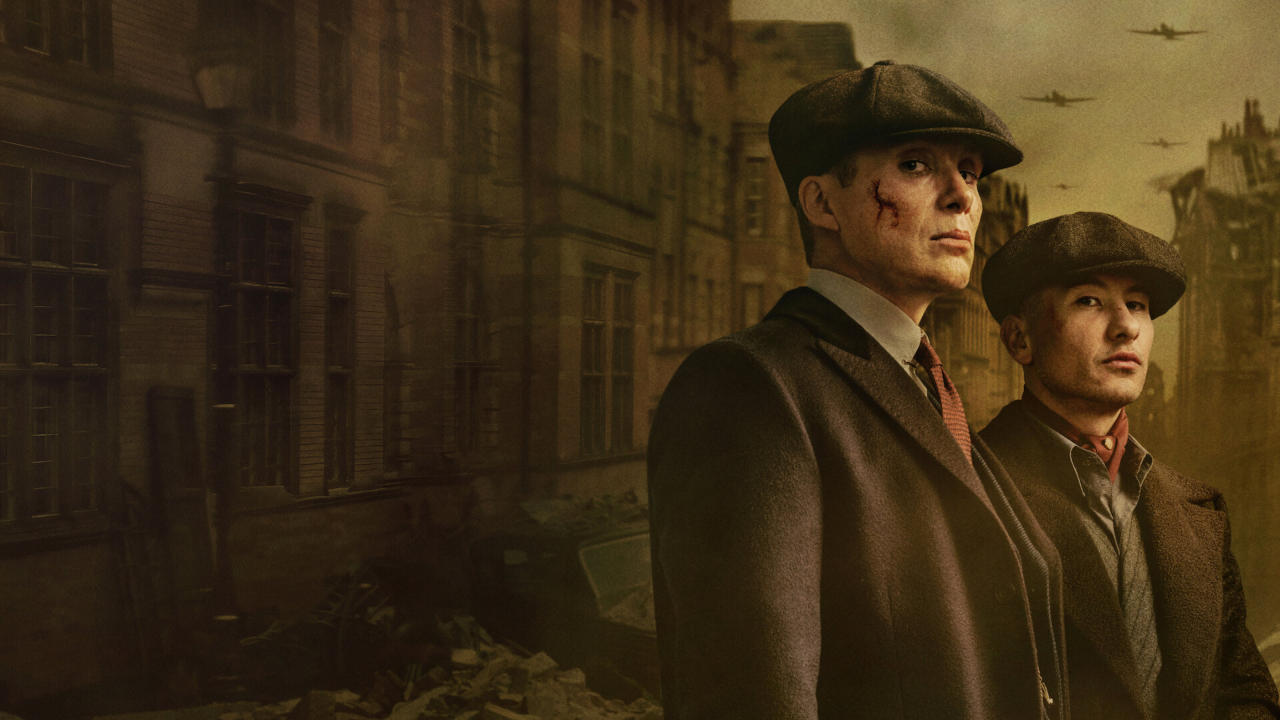
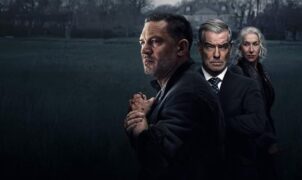
MOVIE REVIEW – Peaky Blinders: The Immortal Man is not trying to win by rewriting the Shelby myth. It is trying to rake the coals one more time and see whether the fire we thought had gone out is still hiding underneath. Steven Knight and Tom Harper know exactly what kind of world they need to put back on the table: smoke, mud, grief, tailored suits, rage, and that darkly elegant self-destruction that made the series so easy to get attached to in the first place. When the film locks back into that old rhythm, it still carries weight, authority, and a bit of razor edge. The problem is that it spends too much time poking at old wounds, summoning old ghosts, and not always finding a new pain sharp enough to cut with the same force.
The last time we left the Peaky Blinders behind, the Shelby family had long since stopped feeling like a mere gang and started looking more like a crime dynasty thrashing around inside the set pieces of its own tragedy. Tommy Shelby’s final showdown with the bitter Michael, the estate blown sky-high with dynamite, Tommy’s last supper staged under the shadow of what he believed was a terminal illness, and the image of him riding out from the flames of his own grave all came together in a finale that was theatrical, loud, and undeniably elegant at the same time. Tommy rode off into nowhere, and the empire behind him stayed there like a smoking wreck.
It worked as an ending too, even if it quite deliberately left a few doors ajar. What would happen to Tommy, what would remain of the corporate and criminal machine he built, and who would take the reins if he stepped away? Steven Knight obviously did not leave himself that much room by accident. The trouble is that while The Immortal Man still lands a blow now and then, it too often feels like the series is reheating its own old tricks, only this time for the big screen and with a slightly more solemn expression.

Tommy comes back, but the film spends too long drowning in his grief
The film picks up roughly five years after the series finale, right on the brink of World War II, in 1940, when the shadow hanging over Birmingham is no longer just the past but the bombings as well. By then Tommy has stepped away from the throne room, but the trauma of the First World War, the guilt he carries over the deaths of family members, and the poison of his own past are still eating him alive. He has not turned into some enlightened hermit. He is a man grinding himself down inside a country estate, writing memoirs and living side by side with his ghosts. It is no accident that the manuscript he is working on is also titled The Immortal Man.
Tommy’s absence has meanwhile produced its own bitter inheritance in Duke, who the final season introduced as a dangerous side figure and who is played here by Barry Keoghan as a twitchy, damaged, defiant heir. Duke tries to grow into his father’s shadow by lashing out wildly, stealing ammunition from British soldiers, and even drifting toward the enemy through Beckett, played by Tim Roth as a fascist schemer and a sly surrogate father all at once. Knight finally drags the Shelby world’s ultimate enemy – previously more of a distant outline than a fully tangible threat – into arm’s reach: the Nazis.
Those still standing after the bloodbath of the series naturally return. Tommy’s loyal right-hand man Johnny Dogs is back, so is the sturdy Uncle Charlie, and Ada remains the family’s clearest conscience. Ada has taken Tommy’s advice, gone into politics, and tried to make something useful of herself in the city. The problem is that Knight’s script spends too much time very self-consciously circling the people who are no longer here, as though the film itself cannot decide whether it wants to mourn them or replace them.

New faces arrive, but they never fully escape the shadows of the old ones
That sense of absence sits on the film from beginning to end, and it never really manages to shake it off. It becomes so obvious, at times, that you can practically see which new figure is being asked to fill which old void. Stephen Graham turns up as an Alfie-like Liverpool crime boss, and while he fits this dirty, elegant world perfectly, Tom Harper barely does anything with him. The other major attempt at replacement is Kaulo, played by Rebecca Ferguson, who arrives as the mystical twin of Tommy’s long-dead Romani lover and Duke’s mother, carrying dubious intentions and an accent that is every bit as questionable. It is hard enough to summon the memory of beloved characters without also letting the smell of substitution seep through every scene.
Even so, the Shelby universe of brown leather coats, sharp tailoring, hard liquor, mud, and grime has been restored with real care. George Steel’s cinematography gives this damp, wintry Birmingham an even grander and more striking look than the series managed at times. The music also delivers the required state of agitation through Antony Genn and Martin Slattery’s needle drops, and yes, there is naturally the obligatory new Nick Cave moment as well. For longtime fans, the film also offers the kind of instantly satisfying images that snap old instincts back into place – like Tommy riding on horseback through a bombed-out Birmingham splashed with the muck of a pigsty.
Big drama, big poses, less impact
On paper, the tangled games involving Duke, Kaulo, and Beckett ought to be enough to drive the film toward a blazing final act. The problem is that what could have been built slowly, grimly, and beautifully across a full season has to be crammed here into 112 minutes, and you can feel that compression all the way through. The major turns, the character shifts, and the power plays never get the same weight they would have had on the show. The payoff just does not hit as hard as it should.
Steven Knight is at his best when he allows a little black humor to leak into all the usual brooding posture and wanders into more interesting territory, like the monetization of grief while war is raging all around. In those moments, the film suddenly looks like something more than a nostalgia exercise. Then it slips right back into that self-intoxicated tragic pose that is sometimes no longer grand but simply overcooked. Emotions scaled for Shakespeare occasionally collapse into melodrama so thick it nearly embarrasses itself.
Cillian Murphy and Barry Keoghan still steady a lot of this just by being there. Their father-son chemistry is strong enough to keep your eyes on them even when the film starts circling its own reflection. This return is uneven, and at times it says too much about the same pain, but there is still weight left in it. And if this really were to be the Peaky Blinders’ last great act, then at least the curtain comes down in smoke, blood, and a measure of bitter dignity.
-Gergely Herpai “BadSector”-
Peaky Blinders: The Immortal Man
Direction - 5.4
Actors - 8.2
Story - 4.6
Visuals/Music/Sounds/ - 8.2
Hangulat - 6.2
6.5
FAIR
Peaky Blinders: The Immortal Man never lands as hard as the series at its best, because it spends too much time stroking its own legend instead of carving out new wounds. Cillian Murphy and Barry Keoghan still drag it back from pure nostalgia, and whenever the imagery, the music, and the rage all hit at once, you can still see the old blade flash. It just does not cut as deep this time.







Leave a Reply