
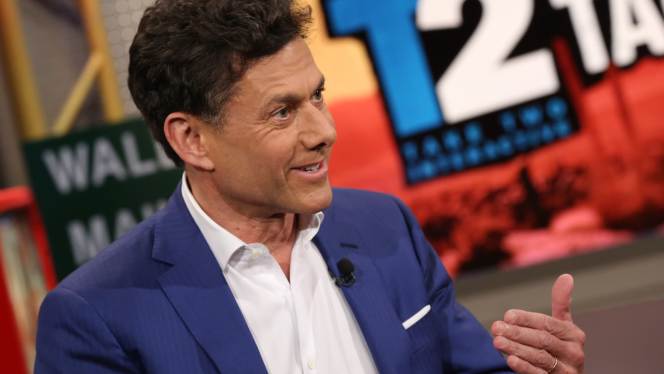
The wave of layoffs that has hit the video game industry for years has often been linked to the rise of artificial intelligence, but the CEO of Take-Two sees that explanation as misleading. Strauss Zelnick argues that companies were not telling the truth when they blamed AI: in his view, the real problem was pandemic-era overhiring, poor workforce planning and staffing issues that were never properly solved.
The video game industry has been dealing with a massive problem over the past few years: continuous and widespread layoffs that have cost tens of thousands of workers their jobs. According to the website Obsidian, 42,200 developers have been laid off since 2022, and all signs suggest that this trend may continue into 2026. The companies responsible for these decisions have typically blamed the “challenging current environment,” “market conditions,” or the failure of projects that never saw the light of day. At the same time, many players and industry observers have also blamed the rise of artificial intelligence for this stream of bad news, arguing that AI is taking on a growing role in the development of digital experiences. The CEO of Take-Two, however, sees the situation differently, pointing instead to the overhiring that swept through the sector during the pandemic.
Beyond GTA VI and the marketing plan to promote Rockstar’s title this coming summer, Strauss Zelnick also used his recent interview with GamesIndustry to discuss the impact of artificial intelligence on the industry and its potential in video game development. The executive argues that AI is not magic, and in its current state, it mainly serves as a tool that can enhance productions. “For those who think you can just press a button and make a competitive game, good luck. Technology doesn’t do that. Technology doesn’t create. Technology enables humans to create”, he said.
Zelnick Says AI Did Not Take The Jobs
Zelnick then made his position even clearer, arguing that explanations from tech companies that cited AI as the reason for layoffs do not hold up. “Technology isn’t going to take people’s jobs. The big tech companies that laid off thousands of people saying it was because of AI weren’t telling the truth”, he said. According to the Take-Two executive, those companies actually hired too many people during the pandemic, acted negligently and then failed to deal with their own staffing problems properly.
“It was because they overhired during the pandemic, were negligent, and haven’t addressed their staffing issues. And the market believed that all SaaS (Software as a Service) companies would go bankrupt because of AI; the market is completely wrong, as it often is. And if the market weren’t wrong from time to time, how could you invest in it? There would never be an opportunity”, Zelnick added.
Even so, the executive is not opposed to artificial intelligence. Quite the opposite: he continues to support the use of AI in video game development, just not in the way many people describe it with fear or exaggerated expectations. “I am totally convinced that the technology will evolve, that it will affect us, and that it could also generate some threats; but, in general, I believe that this new technology will be very beneficial for our industry and our company”, he said.
Take-Two Does Not Want To Make Cheap, Low-Quality Games With AI
Zelnick also made it clear that using generative AI should not mean producing sloppy games and hoping they somehow become hits. The business and creative foundation of Take-Two remains the work of its developers, not the idea that an automated system can replace the creative process. According to the CEO, technology is valuable when it supports creative work, not when it is treated as a cheap substitute for it.
“Our job is to create the best possible creative properties and get them to consumers wherever they are, and we use technology to try and achieve that”, he said in the interview. “Of course, when a new and interesting technology comes along, we should be pioneers in trying it out. But if you interpret that as us creating cheap, low-quality products hoping they’ll be popular, then you’re misunderstanding my comments.”
The Take-Two chief’s position is especially notable because AI has become both a source of hope and a convenient scapegoat in the video game industry. Publishers often talk about efficiency, faster workflows and new creative possibilities, while many workers and players fear that the technology will ultimately cost jobs. Zelnick’s argument is that the current layoff wave cannot be pinned so neatly on AI: the root of the problem is far more ordinary, and lies in companies’ own bad decisions.
Source: 3DJuegos














Leave a Reply