
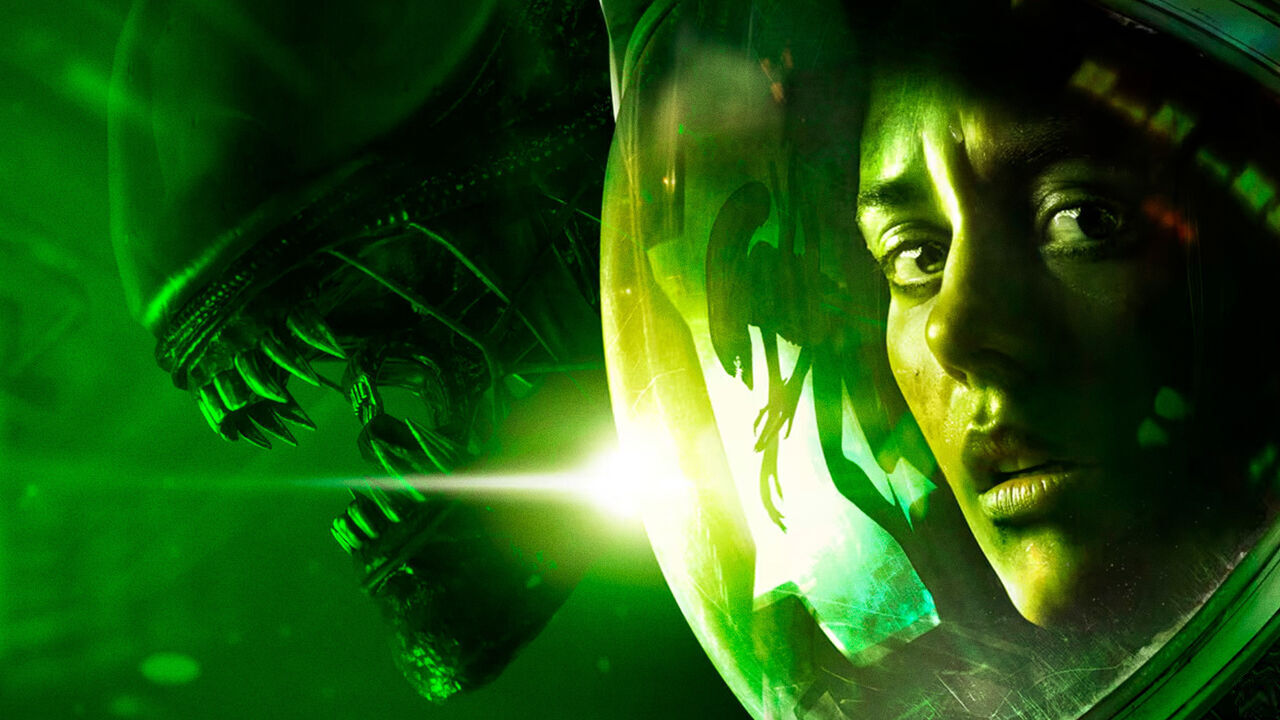
Alien: Isolation 2 is still mostly a mystery, but one important detail has now emerged, and it did not come from a leak. A Creative Assembly job listing effectively confirms that the sequel to the 2014 survival horror classic is being built in Unreal Engine 5. From a technology standpoint, that is a perfectly logical move. For a lot of fans, however, it is also the first genuinely worrying sign attached to the project.
The existence of the sequel itself is not new. Creative Assembly officially confirmed back in October 2024 that a follow-up to Alien: Isolation was in early development. Since then, though, the studio has said almost nothing concrete, which is why this new hiring notice matters more than it normally would. The company is currently looking for a Senior Development Manager, and the description explicitly says the role is tied to the sequel to ALIEN: ISOLATION, which is being developed in Unreal Engine 5. That means this is not rumor, speculation, or community detective work anymore. It is a straight technical clue coming from the studio’s own recruitment language.
The engine switch matters because the original game ran on Cathode Engine, a piece of technology that felt inseparable from the experience Creative Assembly built in 2014. Cathode was not famous because it pushed visual spectacle harder than everything else on the market. It mattered because it helped create that suffocating, analog, close-quarters horror atmosphere that made Alien: Isolation so distinctive. The narrow corridors, the lighting, the oppressive sound design, and above all the xenomorph’s terrifying behavior combined into a game that still stands as one of the purest survival horror experiences of the last decade. For many fans, then, this is not just a normal engine upgrade. It raises the bigger question of whether the sequel can still feel like Alien: Isolation at all.
Unreal Engine 5 Is Both an Obvious Upgrade and a Giant Red Flag for a Lot of Players
There are good reasons for Creative Assembly to make this move. Twelve years after the first game, the studio was never likely to drag Cathode back into the spotlight and try to force a modern sequel out of a highly specialized older engine. Unreal Engine 5 opens the door to larger spaces, more complex environments, stronger lighting systems, and a much more flexible production pipeline. If the sequel is aiming for anything broader in scope than the original, the decision makes practical sense. The problem is that Unreal Engine 5 no longer inspires excitement alone. For a growing number of players, it also immediately suggests optimization headaches, uneven PC performance, stutter, and technical compromises that can kill atmosphere just as fast as weak design can.
Right now, the clearest conclusion is that Alien: Isolation 2 is still a long way off. The fresh job listings, the references to long-term planning, and the fact that Creative Assembly is still staffing up all point to a multi-year project rather than something close to release. That gives the studio time to prove that the engine choice is not the story that matters most. In the end, what will decide the sequel’s fate is not whether it uses Cathode or UE5, but whether Creative Assembly can once again trap players in the kind of nightmare that made the original unforgettable. Still, as first major technical reveals go, this one was enough to reignite the hype and the anxiety at exactly the same time.
Sources: 3DJuegos, Creative Assembly Careers



![Marvel’s Wolverine Is Getting a Limited-Edition Console, Cover, and DualSense Controller! [VIDEO]](https://thegeek.games/wp-content/uploads/2026/08/wolverine-ps5-bundle-1280x720-1-302x180.jpg)
![Phantom Blade Zero: From Pre-Orders to State of Play [VIDEO]](https://thegeek.games/wp-content/uploads/2026/08/phantom-blade-zero-1280x720-2-302x180.jpg)





![Marvel’s Wolverine Is Getting a Limited-Edition Console, Cover, and DualSense Controller! [VIDEO]](https://thegeek.games/wp-content/uploads/2026/08/wolverine-ps5-bundle-1280x720-1-300x365.jpg)
![Phantom Blade Zero: From Pre-Orders to State of Play [VIDEO]](https://thegeek.games/wp-content/uploads/2026/08/phantom-blade-zero-1280x720-2-300x365.jpg)
Leave a Reply