
SEGA has officially ended the Super Game initiative it announced in 2021. The plan was supposed to become a global, interconnected, next-generation AAA portfolio, but the Japanese company now admits that the strategy failed to meet internal expectations. There is still some relief in the bad news: the reboots of Jet Set Radio and Crazy Taxi remain in development, while SEGA is finally pulling back from its live-service and free-to-play fever.
SEGA has enough history behind it for some old franchise names to attract attention on their own, but a powerful legacy does not protect every oversized business idea from reality. Super Game looked in 2021 like one of the company’s major future directions: this was not about a single title, but about internationally focused, multiplatform, big-budget AAA projects, some of which could have revived older series with stable fanbases. The whole concept arrived at the exact moment when publishers were chasing NFTs, cloud gaming, the GaaS model, free-to-play structures, and long-term monetization as if all of them together could automatically replace genuinely strong game ideas. SEGA even partnered with Microsoft, relying on Azure infrastructure to give the plan a technological foundation. In 2023, the company was still pointing to March 2026 as a possible target for the strategy’s realization, which sounded grand at the time and now looks more like the remains of an expensive industry trend.
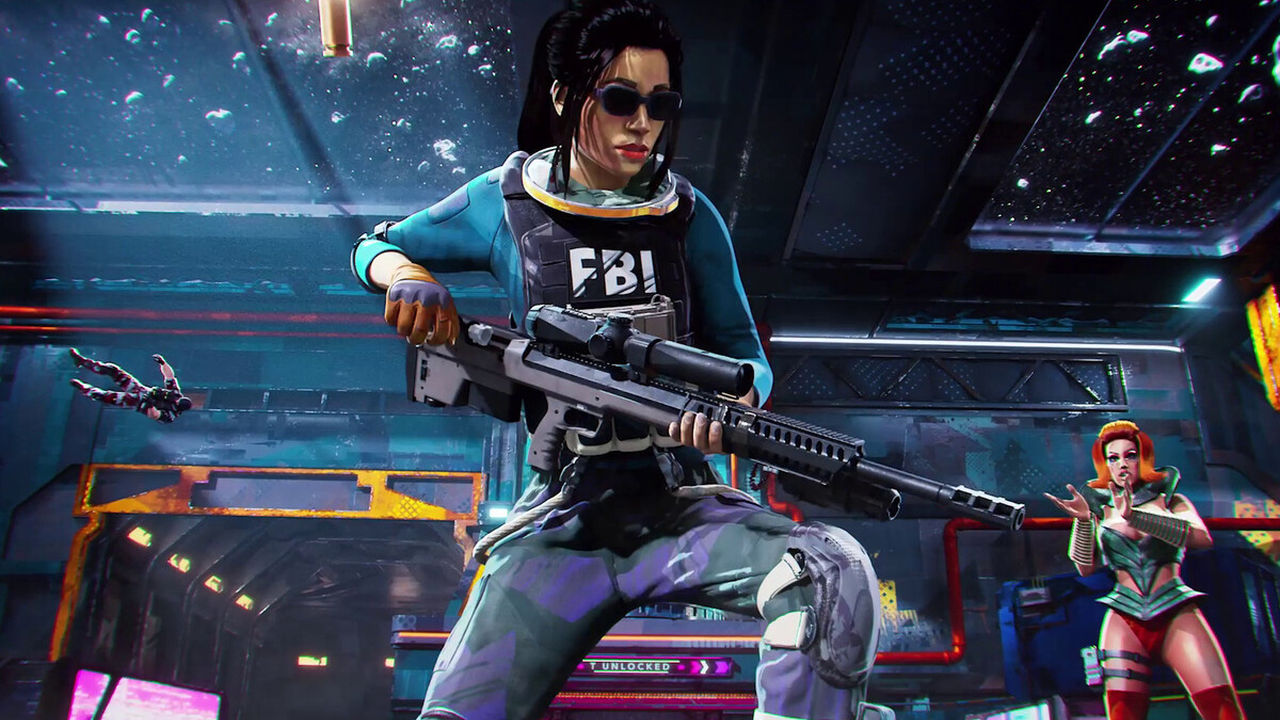
The Japanese company also considered other partners. Sony and Ubisoft were mentioned in connection with collaborations built around various games as a service, but the public saw very little concrete material. What mostly remained were broad directions, cautious corporate language, and vague concepts, while over time several projects became easier to connect to the Super Game orbit. The one that crashed most visibly was HYENAS.
The multiplayer shooter from Creative Assembly, best known for the Total War series, leaned fully into the GaaS model before being cancelled in 2023 after years of development and heavy investment. Even then, it was a strong warning: if that was supposed to be one of the showpieces, SEGA’s live-service strategy was clearly not moving as cleanly as executive materials may have suggested. The latest financial report has effectively made that official, with the company saying Super Game fell short of internal projections in terms of planned game volume, future releases, and investment expectations. Sonic Rumble Party was also cited as one of the associated titles that failed to perform as expected.
Super Game Is Dead, But Not Every Related Game Went With It
Following the decision, SEGA is reducing the priority of live-service games, especially free-to-play titles, and redirecting some of its resources toward paid premium development. After HYENAS, that does not feel like a shocking reversal so much as a late return to sobriety. Over the last few years, publishers have repeatedly sold the dream that every game can become a service to be mined for years, only for reality to kick the spreadsheet off the table again and again. A model does not become viable just because it looks elegant in a financial presentation, especially if the game itself is not strong enough, lovable enough, or simply arrives too late in an already crowded market.
For fans, however, the most important part is that the collapse of Super Game has not wiped out every connected project. According to SEGA, the reboots of Jet Set Radio and Crazy Taxi are still in development, meaning the company has not buried the actual titles people were interested in, but rather the oversized business structure built above them. That distinction matters: players were not waiting for the Super Game label, they were waiting to see what SEGA would do with two distinctive series that had been absent for far too long.
The internal restructuring also affects staff, although the report frames it more as reassignment than as a simple cut. More than 100 employees who had been working on free-to-play projects have been moved to premium development. That suggests SEGA is not leaving the GaaS market entirely, but cutting back the part that consumed too much money, time, and attention for too little return.
The company is not abandoning live-service business altogether. Rovio, the studio behind Angry Birds and owned by SEGA since 2023, will continue operating as before with no apparent changes, which neatly shows the difference between a working mobile service model and an overgrown AAA-GaaS dream. SEGA is therefore not throwing away the entire live-service concept, but it is letting go of the grand Super Game vision that tried to stuff too many trends under one label.
The result is less a funeral than a course correction. The scythe has fallen, but at least it did not land on Jet Set Radio or Crazy Taxi. The question now is whether SEGA actually learns from this, or whether a few years from now it tries to sell the same industry dead end again under a new name, with new charts and the same foggy promises.
Source: 3DJuegos













Leave a Reply