
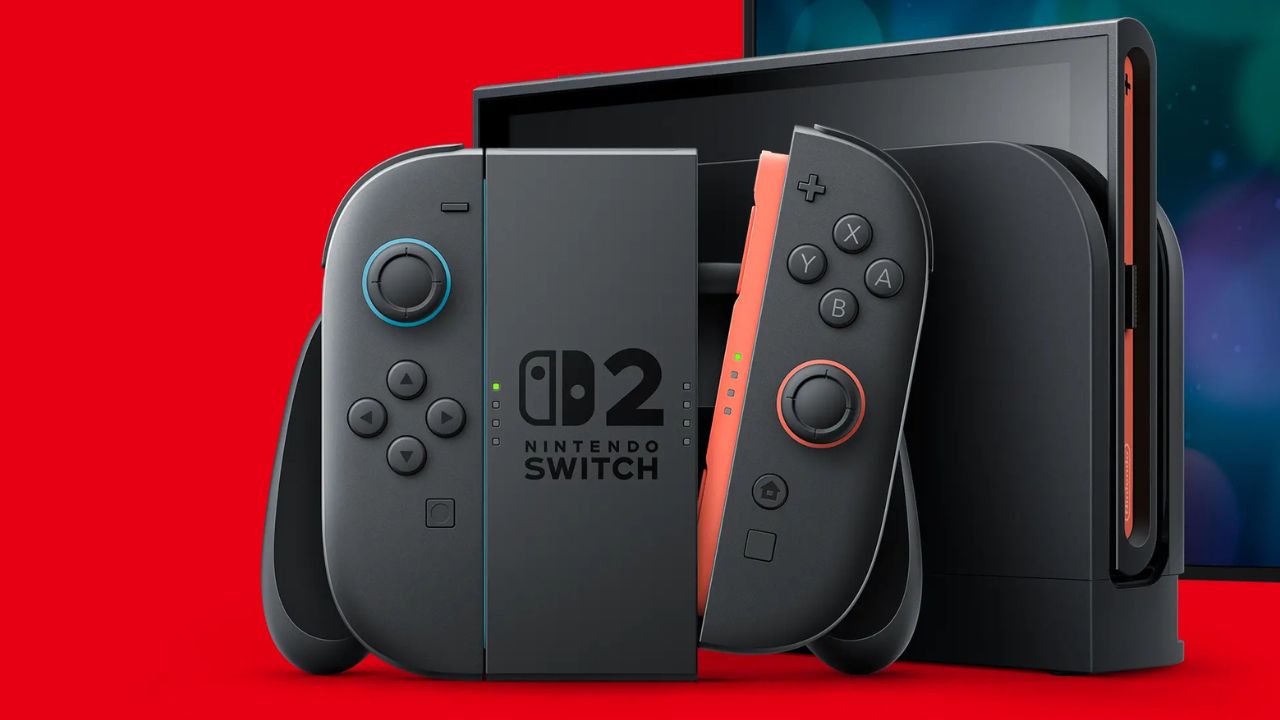
First, investors wanted a price hike. Now, this has happened. Maybe it would have been better not to raise the price.
Over the weekend, Nintendo’s stock price plunged 12% after it was confirmed that the price of the Nintendo Switch 2 would increase in September. However, that wasn’t the only reason for the double-digit drop. The company admitted that developing major titles takes longer. The company forecasts that Switch 2 sales will decline next year and acknowledges that memory shortages, tariffs, and longer development cycles pose serious challenges. However, President Shuntaro Furukawa remains unfazed.
During a Q&A session on Nintendo’s full-year financial results, Furukawa acknowledged some of the challenges facing Nintendo. For example, he mentioned that tariffs and the ongoing memory shortage will make it harder for Nintendo to generate profits from hardware sales in the future. Furukawa isn’t talking about further price hikes for the Switch 2; rather, he is referring to the ongoing rise in component costs. Expectations of further price increases also played a central role in Nintendo’s decision to raise the Switch 2’s price – a move that many had anticipated for months.
Furukawa acknowledged the challenges facing Nintendo, including the fact that game development times have lengthened despite the company’s efforts to release games on schedule. This is not just a problem for Nintendo, as every major publisher is grappling with how to bring high-quality games to market more quickly. Although Nintendo Switch 2 sales were strong last year and the memory shortage did not affect them, Nintendo nevertheless predicted a decline in sales for the next fiscal year. Despite this, Furukawa isn’t worried for a few key reasons. Even if Switch 2 sales decline as predicted, Nintendo’s new device already has more players than expected. While the price increase will make the console less accessible to those who haven’t made the switch yet, Furukawa is confident that the software lineup will win people over. The company has already seen this with titles like Pokémon Pokopia.
“As we previously explained, rising prices for memory and other components did not significantly impact hardware profitability last fiscal year. However, we expect price increases to continue, and we believe that, from this fiscal year onward, they will gradually put pressure on hardware profitability. We anticipate that the recent increases in component prices, particularly memory prices, as well as exchange-rate fluctuations and oil price trends, will continue over the medium to long term. The Nintendo Switch 2 is being adopted at a faster pace than the Nintendo Switch. At this point, we have no particular concerns about losing momentum. Switch 2 sales were more concentrated in the launch year compared to previous systems. Pokémon Pokopia’s contribution to hardware sales reaffirmed for us that having popular software is key to encouraging migration to the Nintendo Switch 2. We have many new titles planned for the Nintendo Switch 2, and we intend to carefully communicate the appeal of each one so that customers can transition to the Nintendo Switch 2 at a time that suits them best,” said Furukawa.
Furukawa also highlighted the success of Tomodachi Life: Living the Dream, noting that 40% of the game’s user base plays on the Switch 2. They believe the release of these new titles has contributed to increased activity on both hardware platforms. It’s worth noting that Pokémon is the world’s most recognizable brand, so it’s no surprise that the well-received new games in the series are selling well and contributing to growth in Switch 2 sales. However, this is a clear indication that, even before the Switch 2’s release and despite the price hikes for essential items seen over the past year, people will buy the new console for the right game.
For many, Pokopia was that game, and the upcoming Pokémon Winds & Waves could be it for many others. The next 3D Mario and Zelda games will likely be as successful as Pokopia was in the year the Switch 2 launched. Although Nintendo’s stock has been trending downward for some time, the company’s future certainly looks bright, even during this challenging period.


![Harry Potter Fame Did Not Pay the Bills – OnlyFans Saved Jessie Cave [VIDEO]](https://thegeek.games/wp-content/uploads/2026/08/theGeek-Jessie-Cave-OnlyFans-302x180.jpg)






![Harry Potter Fame Did Not Pay the Bills – OnlyFans Saved Jessie Cave [VIDEO]](https://thegeek.games/wp-content/uploads/2026/08/theGeek-Jessie-Cave-OnlyFans-300x365.jpg)
Leave a Reply