
TECH NEWS – The Trump administration did not anticipate that two of the three major manufacturers would source equipment locally for their Chinese factories.
One would generally expect the U.S. government to treat its relations with China as a strategic dilemma requiring careful consideration rather than resolution by force. However, this may be too much to ask of an administration that has shown neither the willingness nor the ability to do so. Its strategy, developed hastily and rife with significant ad hoc solutions, is now leading to numerous unintended consequences. For example, Samsung and SK Hynix have decided to equip their Chinese factories with Chinese manufacturing equipment to protect them from future U.S. export restrictions.
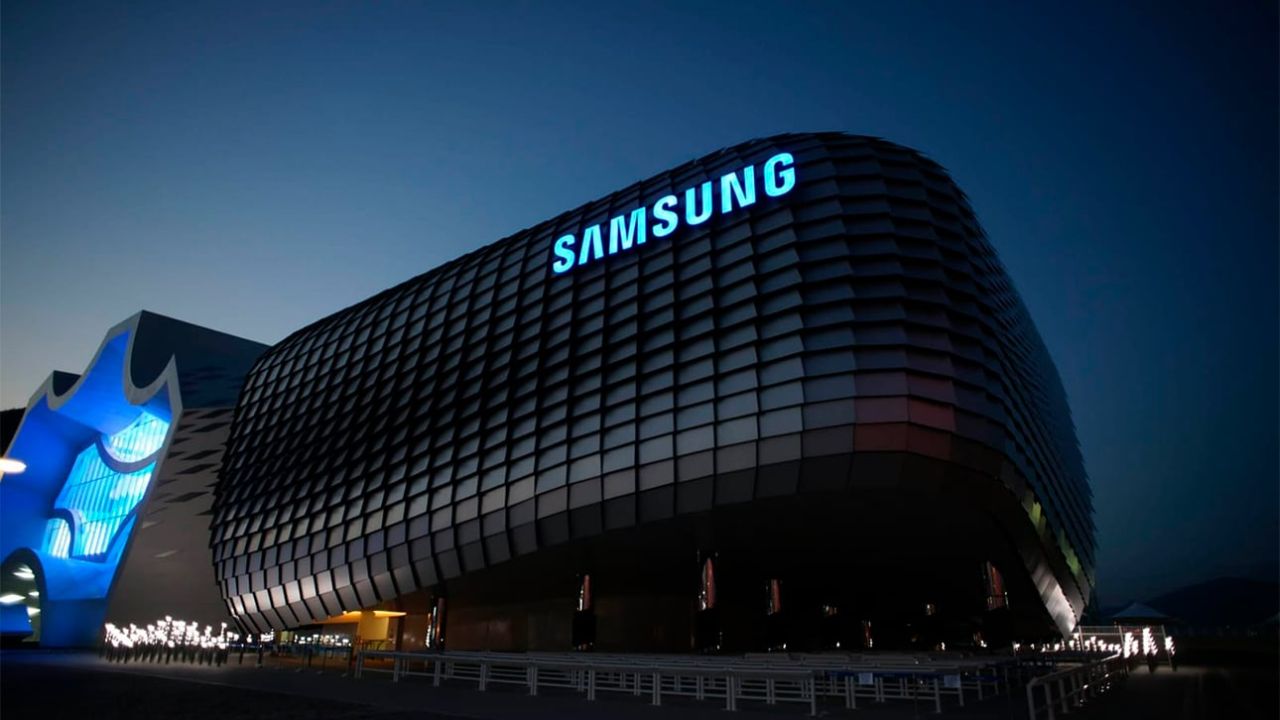
Samsung and SK Hynix are currently evaluating chip manufacturing equipment from the Chinese company Advanced Micro-Fabrication Equipment, or AMEC, which they intend to install in their memory factories in China at a later date. AMEC’s equipment, which is 20–30% cheaper than that of its Western counterparts, could enable Samsung and SK Hynix’s Chinese factories to continue operating even if the United States bans these companies from shipping Western equipment to China. This would provide protection against escalating geopolitical tensions and the fragmentation of global supply chains. Samsung operates a NAND flash memory chip factory in Xi’an, while SK Hynix has NAND factories in Dalian and a DRAM memory chip factory in Wuxi.
Samsung denied that it had tested equipment from AMEC, and SK Hynix took a similar stance, likely in an effort to avoid the Trump administration’s growing anger by hiding behind nuances in wording. In 2023, the U.S. Department of Commerce granted Validated End User, or VEU, status to Samsung and SK Hynix’s manufacturing facilities in China. However, this status was revoked in 2025, when an annual licensing system was introduced that is currently valid only through 2026. This information emerged as the FCC, the U.S. regulator of the telecommunications sector, was reportedly considering a ban on optical transceivers from China. These devices convert electrical signals into light pulses through LEDs and then use a photodiode to convert incoming light back into electrical signals at the other end of an optical cable.
The Trump administration also plans to impose minimum import prices and tariffs on polysilicon and related products from China. This material is essential for manufacturing solar panels and silicon wafers. It would be ironic indeed if the Trump administration’s efforts to reduce supply-chain risks associated with China ultimately boosted the reputation and profitability of certain critical Chinese industrial players, such as AMEC.











Leave a Reply