Sony will stop manufacturing physical discs for new PlayStation games beginning in January 2028, a decision that has already triggered considerable anger and concern throughout the community. Former Square Enix business development director Jacob Navok nevertheless believes an all-digital market could eventually lead to lower PS Store prices and more frequent discounts.
When Sony announced that it would discontinue physical disc production for new PlayStation games starting in January 2028, a large portion of its audience reacted with frustration and unease. The transition will effectively eliminate the used-game market for future releases, while retailers will shift toward selling games in digital formats, directing even more customers toward the PlayStation Store. Many players fear that removing the physical alternative will give Sony considerably greater control over pricing, with fewer outside forces capable of keeping digital game prices in check. One former Square Enix executive, however, believes the opposite could ultimately happen.
Navok Thinks the End of Physical Games Could Actually Push Prices Down
Jacob Navok, formerly Square Enix’s director of business development, argued in an X post that publishers competing against one another inside a digital marketplace could gradually drive prices lower, much like what already happens on Steam. According to Navok, “competition between publishers is what drives prices down, not competition between digital stores.” His point is that the decisive factor is not whether Steam, the PlayStation Store, and the Epic Games Store are competing with one another, but how many comparable games inside a single storefront are fighting for the same customers and their money.
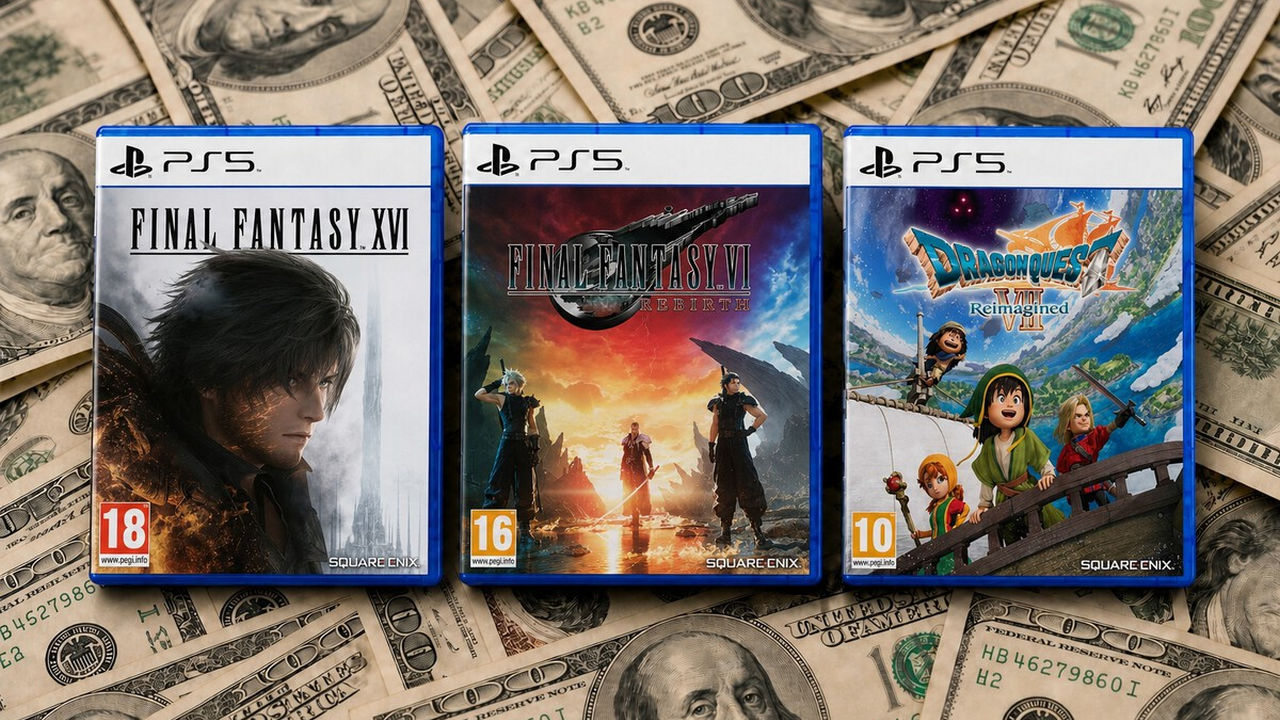
Navok pointed to the PC release of Final Fantasy XVI as an example, noting how its price on Steam has gradually fallen as it has had to compete against an increasingly crowded selection of similar games. He believes the same process could accelerate on PlayStation as the PS Store moves closer to becoming an entirely digital marketplace. In his view, players should eventually see more frequent sales and constantly shifting prices resembling Steam’s current environment, because publishers will have greater incentive to compete directly against one another for purchases.
The economic logic behind the argument is understandable, but a significant portion of the PlayStation community remains unconvinced. The dynamic pricing practices recently observed on the PS Store do not necessarily support the assumption that an all-digital future will automatically make games cheaper. Even if discounts become more common, lower prices would not resolve many of the other concerns surrounding the disappearance of physical media, particularly the question of how much ownership consumers really have over games purchased exclusively through digital licenses. Many players therefore continue to view Sony’s decision as a disadvantage rather than a benefit, especially as the PlayStation Store becomes increasingly central to the company’s game distribution business while Sony’s digital pricing practices have also faced legal challenges in multiple countries.
Source: 3DJuegos