
TECH NEWS – This was one of the generational leaps that ranked among the biggest ever in terms of performance.
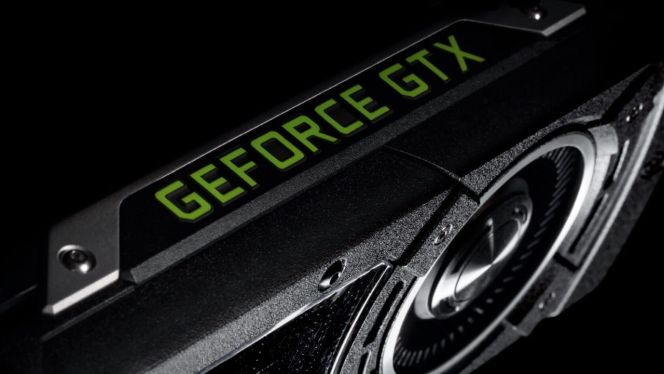
Before RTX, there was GTX, and the last major GTX family, the GeForce 1000 series based on the Pascal architecture, still has its own fan base today because it delivered one of the biggest leaps in GPU performance. In May 2016, Nvidia introduced its first Pascal GPUs to the world, and yesterday marked the tenth anniversary of that iconic launch. Although a great deal has changed in the gaming graphics segment since then, many players still have fond memories of the GTX 1000 era.
The Pascal architecture delivered clock speeds above 2 GHz and was highly overclockable, while offering an unmatched level of energy efficiency and surpassing the already strong GTX 900 series, meaning Maxwell GPUs. Nvidia launched the GeForce GTX 1000 series just as AMD was working on its RX Vega series, and by the time Vega was ready, it had not only fallen behind the GTX 1080, but the 1080 Ti had also arrived on the market, bringing an unexpected performance leap that sent the Radeon camp back to the drawing board.
The product family included several graphics cards, ranging from the entry-level GT 1010 with 2 GB of memory all the way up to the 1080 Ti and Titan XP, which offered 11 and 12 GB of VRAM, respectively. The Nvidia GeForce GTX 1000 series reminds us of a simpler era: when there was no AI, when games ran on pure rasterization instead of upscaling or path tracing, when architectures focused entirely on expanding compute and shading capabilities instead of Tensor or RT cores, when memory capacities were increased to make way for higher-texture, better-quality games, and when companies focused on giving end users more through excellent execution without worrying about connectors burning out.
That may sound like a fairy tale, but many people saw and experienced the GeForce GTX 1000 series era. That does not mean AI, path tracing, DLSS, or the latest developments such as neural rendering are bad; they are extremely interesting in their own way, but the world of gaming has changed a lot. Some would rather return to the old days, but most have already adjusted to the new standards. Graphics have undergone tremendous development over the past 10 years. Just one year after the release of the GTX 1080 Ti, Nvidia launched the GeForce RTX 2000 series, based on Turing, which first brought support for DLSS and ray tracing, changing the entire world of PC gaming.
Source: WCCFTech















Leave a Reply