
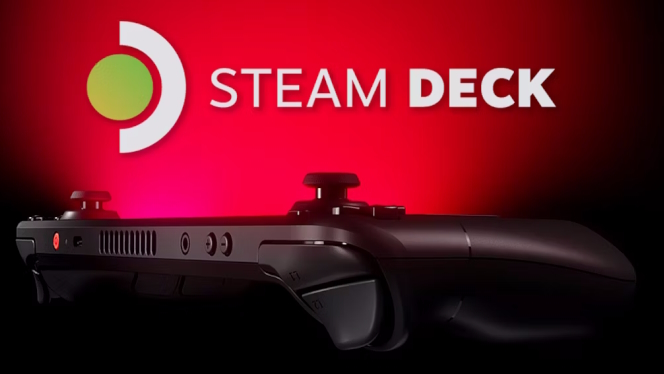
The Steam Deck OLED is back after recent stock problems, but the new prices will hurt more than a few players. The 512 GB model now costs €779 in Europe, while the 1 TB version has jumped to €919, casting an uncomfortable shadow over Valve’s next hardware plans.
The video game hardware market, and the technology industry more broadly, has been hit by repeated price increases in recent months, and Valve has now joined the trend with the Steam Deck OLED. The change does not affect every model, but it hits the version many players consider the best edition of the handheld. The OLED model was already the premium option compared with the older LCD versions, but with the new European prices, it has moved into a very different bracket. The 512 GB OLED model now costs €779, while the 1 TB version has risen to €919. This is not a small correction. It is the kind of increase that forces many buyers to reconsider whether Valve’s handheld PC still makes sense at its current price.
Several users spotted the change on the official Steam page, including Wario64 on X. The timing makes the increase even more frustrating, because the OLED models had been out of stock in several regions for weeks. When supply returned, players who had been waiting found the same device listed at a much higher price. Valve did not introduce the change with a major public announcement, but the official product page now shows the new pricing, and international reports point to rising memory and storage costs as the reason behind the move.
The New Prices in Brief
- Steam Deck OLED 512 GB: €779 – previously €569.
- Steam Deck OLED 1 TB: €919 – previously €679.
- In the United States, the 512 GB OLED model has risen to $789.
- In the United States, the 1 TB OLED model has risen to $949.
- The 512 GB OLED model includes a 7.4-inch 1280×800 HDR OLED display, up to 90 Hz refresh rate, a 6 nm APU, Wi-Fi 6E and a 50 Wh battery.
- The 1 TB OLED version adds more storage, premium anti-glare etched glass, an exclusive startup movie and an exclusive virtual keyboard theme.
The €210-€240 jump is especially hard to swallow because the Steam Deck OLED is no longer new hardware. It launched in November 2023, so this is not a next-generation model arriving with a major performance uplift. There is no new APU, no dramatic technical refresh and no extra power to justify the higher entry price. The same handheld PC has simply become far more expensive. Until now, one of the Steam Deck’s biggest strengths was its value proposition: console-like comfort, PC flexibility and direct access to a Steam library at a comparatively reasonable price. At €779 and €919, that balance becomes much more fragile.
The situation is not isolated either. Valve had already linked recent Steam Deck OLED stock issues to memory and storage shortages. According to The Verge, the latest price increase is also tied to those component costs. That may be understandable from an industry perspective, but for buyers the outcome is still the same: anyone who waited for the OLED model now has to pay significantly more for the same device. Demand for used or refurbished units is likely to increase, because many players will look for alternatives once official new-unit pricing climbs this far.
The Steam Machine Price Question Just Became More Awkward
The biggest consequence of this increase extends beyond the Steam Deck OLED. Valve is preparing new hardware, including the Steam Machine and Steam Frame, and players have been speculating for months about the price of the company’s next PC-console-style product. If a 2023 OLED handheld now starts at €779 in Europe, it becomes much harder to feel optimistic about the price of a new living-room Valve machine. Valve has not yet announced the Steam Machine price, but this move suggests the company cannot fully escape rising component costs, supply constraints and broader hardware-market pressure.
That matters because Valve hardware has often been most interesting when it did not behave like a luxury product. The appeal of the Steam Deck was that it brought PC gaming into a handheld form at a relatively sensible price. If the next wave of devices launches from a higher price floor, the Steam Machine will have a much harder job. It will not only compete with consoles, but also with gaming PCs, mini-PCs and other handheld PC devices. For Valve, this is not just a pricing issue. It is also a trust test. Players are now seeing the Steam Deck OLED become much more expensive, and the natural fear is that the next Valve hardware will not be cheap either.
Source: 3DJuegos, Steam Deck, The Verge







![The System Requirements for Fable Are In! [VIDEO]](https://thegeek.games/wp-content/uploads/2026/08/vnews-05-fable-1280x720-1-302x180.png)







Leave a Reply