
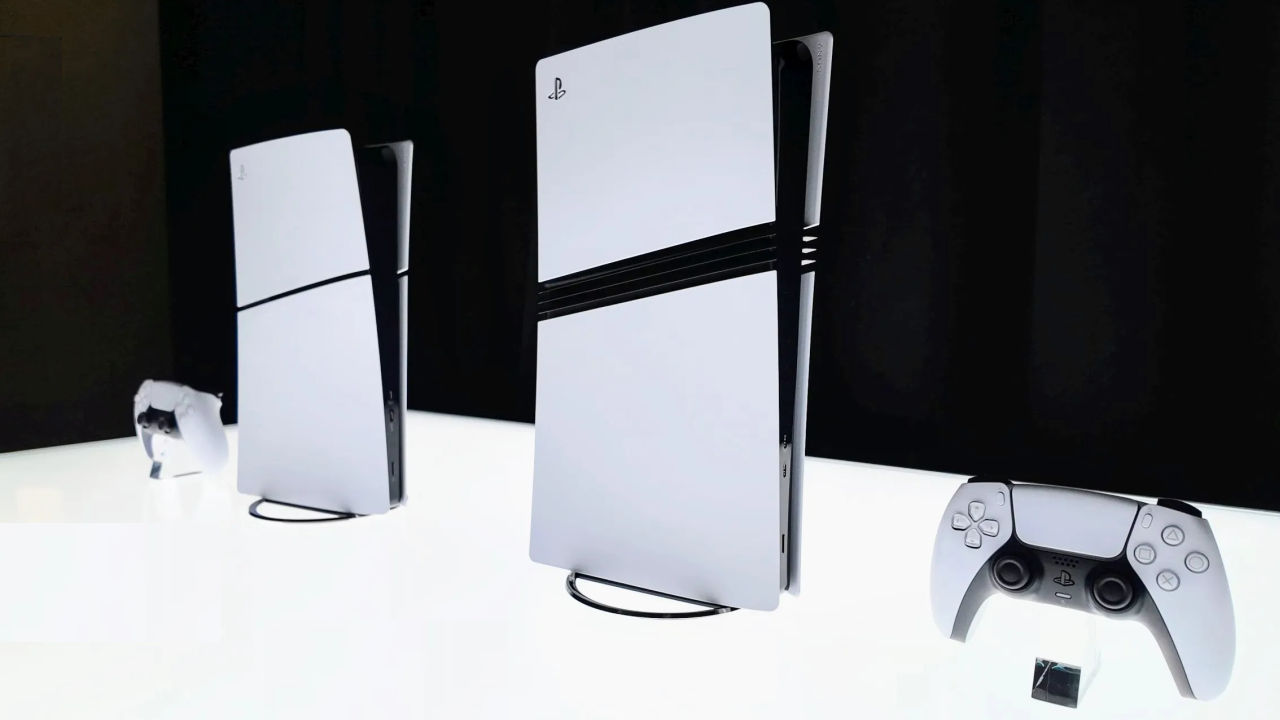
The PlayStation 5 is now sitting at €650, the PS5 Digital Edition costs €600, and the PS5 Pro has climbed to €900, so Hiroki Totoki’s latest attempt at reassurance has not exactly been greeted with thunderous applause. Sony’s CEO says another price increase is not currently part of the plan, but players are no longer hearing that as “you are safe”. They are hearing it more as “we have not reached into your wallet again today”. Meanwhile, the latest financial figures show that the PlayStation 5 is clearly losing momentum: only 1.5 million consoles were shipped between January and March 2026.
Sony’s latest earnings presentation has once again brought back the question the company can no longer smooth over with polished corporate language: how long can the current PlayStation 5 price really hold? Hiroki Totoki, Sony’s president and CEO, was asked whether another price increase should be expected after the console family had already become noticeably more expensive just a few weeks earlier. Totoki’s answer was that this is not currently part of the plan. On paper, that should sound reassuring, but there is one small, unpleasant detail hanging over it: Sony has already shown more than once lately that the distance between “not expected” and “it happened anyway” can be measured in weeks.
The current European prices explain quite clearly why players did not collapse into grateful tears over that statement. The disc-based PS5 Standard costs €650, the PS5 Digital Edition costs €600, and the PS5 Pro costs €900. This is no longer the classic console proposition where someone buys a living-room machine and then friends, family, and casual players all drift into the generation because the barrier to entry feels reasonable. This is closer to an era where console hardware starts dressing like a premium luxury product while the manufacturer still talks about it as if the mass-market magic were exactly where it was in 2020. The community’s distrust is therefore not melodrama, but a perfectly rational reflex: when a company has already reassured the market and then raised prices shortly afterward, the next “we are not planning it” line no longer sounds like a promise. It sounds like carefully lawyered nothing.
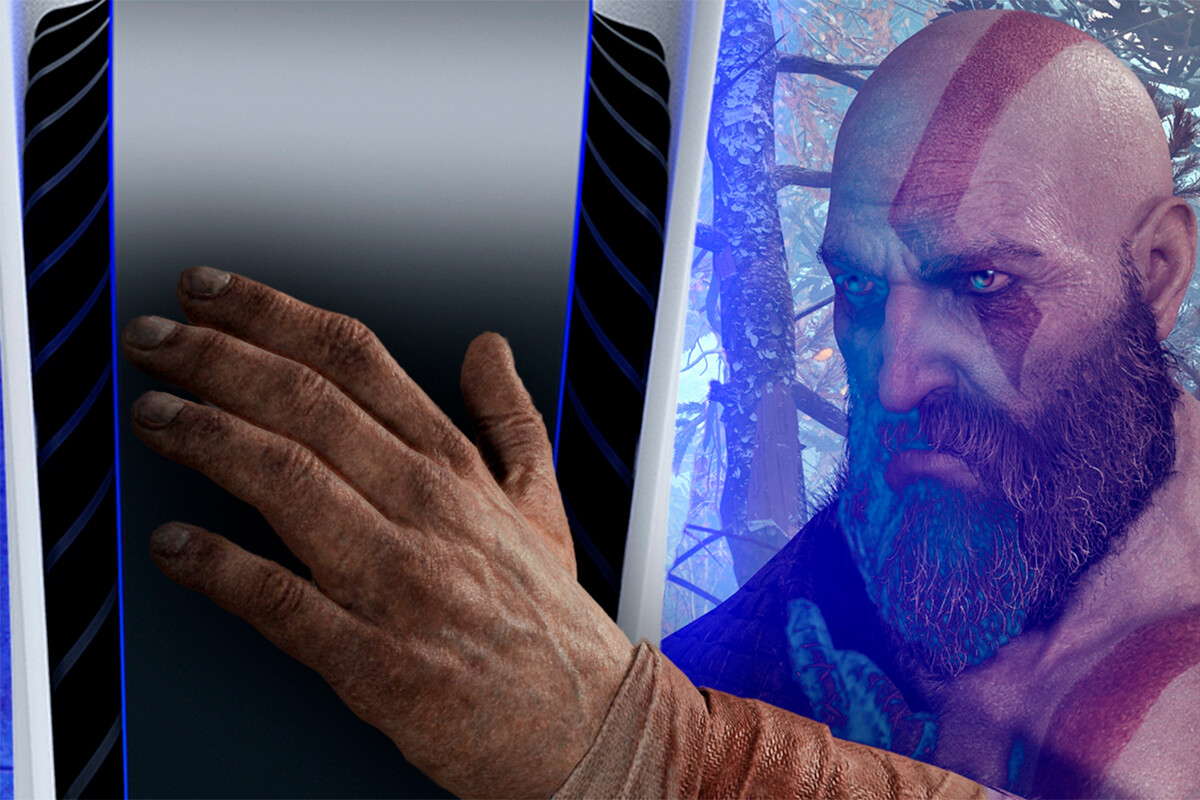
PlayStation 5 Sales Are No Longer What They Used To Be
The financial figures do not make the situation look especially triumphant either. The PlayStation 5 shipped 1.5 million units between January and March 2026, bringing total shipments to 93.7 million. That is still a large figure in isolation, but the trend is far less flattering: in the same quarter last year, Sony shipped 2.8 million consoles, meaning the drop is close to 46%. Even worse, all of this happened before the most recent major price increase, so the full impact of the new pricing has not even properly shown up yet. The PlayStation 4, at the same point in its life cycle, sold 2.6 million units in the fourth quarter of 2018, which is an uncomfortable comparison for the PS5. One of the PS4’s great strengths was that it stayed affordable enough to pull in casual players, families, and less hardcore audiences in large numbers. A €650 PS5 is much less convincing in that role.
Of course, Grand Theft Auto VI could still give hardware sales a major push when it launches in November, because Rockstar’s game is exactly the kind of title that makes people buy a console even if they have ignored the generation for years. The problem is obvious: if someone has waited this long and then discovers that the entry ticket now starts around €650, excitement can quickly turn into head-scratching. The original promise of the console market was always that it offered a cheaper, simpler, and more convenient gaming entry point than PC. Sony still has the “convenient” part. The “cheaper” part is now doing a lot more sweating.
Memory Shortages Are Already Gripping The Current Generation
Sony also indicated that, in fiscal year 2026, it plans to base PS5 hardware sales on the amount of memory it can procure at reasonable prices. At first glance, that sounds like dry financial background noise, but it actually says a great deal about where the pressure is coming from. Memory prices, component shortages, and tariffs are no longer distant industry problems. They are very real production and pricing constraints. Analyst Daniel Ahmad also pointed out that it is not only the price increase itself that could limit sales, but the narrowing flexibility of hardware manufacturing as well. In other words, demand alone is not enough if reasonably priced components and production costs are standing at the gate like a particularly miserable financial security guard.
At the same time, Sony is already pouring money into the next generation, which is one reason it expects operating income in the gaming segment to remain broadly flat. That is especially interesting given that the company recently admitted it has not yet finalized either the price or the release timing of the PlayStation 6. So the current console is expensive, the next one is uncertain, the memory situation is awkward, and players are increasingly reluctant to believe that corporate caution equals genuine price stability. Add the painful Bungie impairment and the difficult situation around Marathon, and it becomes even harder to present the PlayStation business as a spotless success story.
If The Console Does Not Get More Expensive, The Money Can Be Collected Elsewhere
The most interesting part, however, is that Totoki’s current answer does not mean PlayStation users’ wallets are safe. Sony’s strategy increasingly revolves around monetizing the existing PS5 user base more effectively. In practice, that means that even if the hardware price does not rise again for a while, there are plenty of other places to collect money: games, DLC, accessories, digital purchases, services, or even a future PlayStation Plus price increase. The box may not get a new sticker today, but the ecosystem around it is wide enough for players to end up paying more anyway.
That is why the community is reacting to Sony’s reassurance with such suspicion. Back in February, CFO Lin Tao said the company had enough RAM to continue manufacturing the PS5 and that no price increases were expected during the year. A few weeks later, everyone found out exactly how much that kind of calm was worth when reality knocked on the door. Totoki’s current statement that another price increase is not planned is cautious and convenient from an investor-relations standpoint, but for players, it means something much narrower: there is no new price hike today. Tomorrow, they can always call it a business model adjustment instead.
Source: 3DJuegos












Leave a Reply