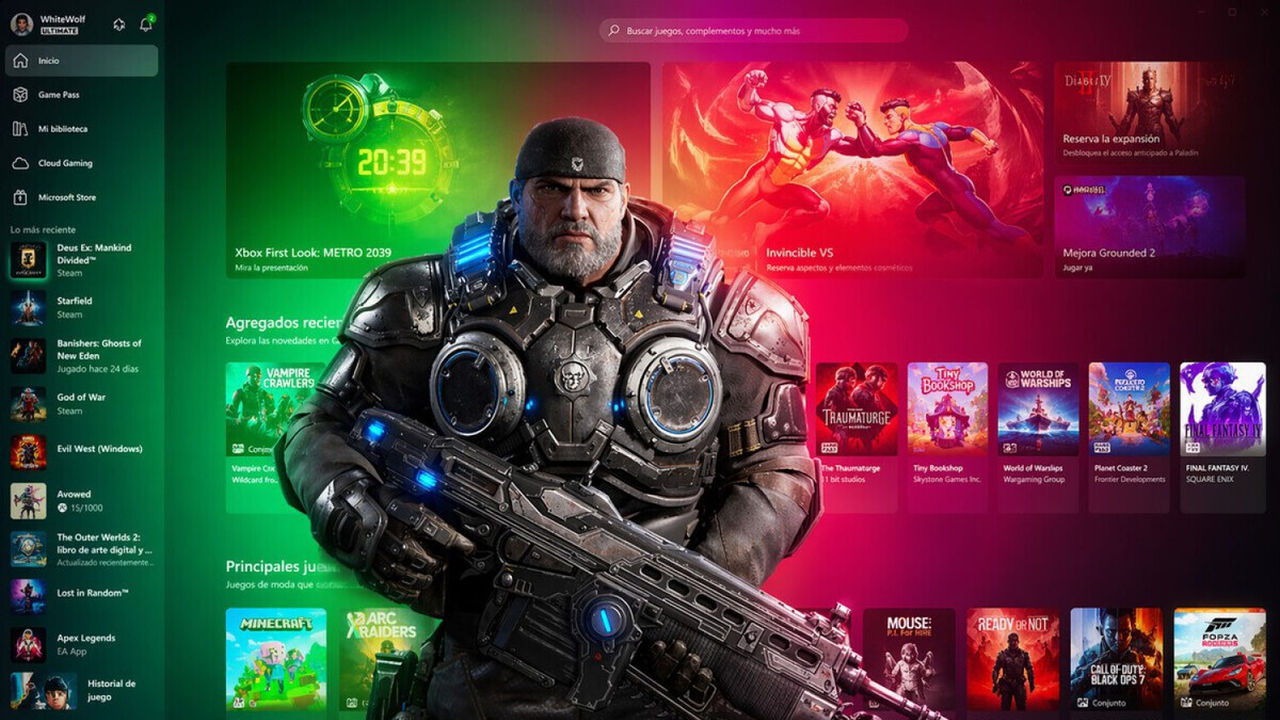
Xbox may be heading into one of the most uncomfortable chapters in its history: reports suggest that July could bring mass layoffs and possible studio closures, while the company forces its own developers to pay the price for years of strategic reversal. According to Jason Schreier, many of those now at risk may be punished precisely because they did what leadership had previously asked them to do.
The atmosphere around Xbox is getting heavier by the day. Several developers are reportedly going to work knowing that July may bring another wave of mass layoffs and studio closures across the company. What makes the situation so serious is that this does not look like a routine corporate restructuring, but rather the visible collapse of a strategy on which Xbox had built its future for years. The new leadership is reportedly preparing a complete business reset after the previous direction, centered on Game Pass growth and a diverse studio portfolio, failed to deliver the results that Microsoft now expects.
The most painful part is not merely that hundreds of people may lose their jobs. The bitterer point is that many of the teams now in the firing line are exactly the ones that believed in the old Xbox promise: not every game had to sell millions of copies if it added value to Game Pass, earned critical recognition, won awards, and strengthened the platform’s identity. The acquisitions of Double Fine, Ninja Theory, or Compulsion Games were not meant to turn those studios into blockbuster machines overnight. The idea was to fill the subscription service with distinctive, high-quality, prestige-driven games.
They Followed the Orders, and Now They May Pay for It
Journalist Jason Schreier framed the situation especially sharply on his YouTube channel. According to him, the earlier message from Xbox to its studios was not that every project had to hit specific revenue targets at all costs, but rather that they should make good games, help fill Game Pass, and try to win awards. That did not mean anyone was free to lose unlimited amounts of money, but the core idea was not direct profit maximization. It was about building an attractive subscription ecosystem.
“In many ways, they’re being punished today for following orders and listening to what they were told a few years ago. I think it’s a shame that this is happening,” Schreier said. The issue is especially severe because game development is not an industry that can painlessly pivot from one month to the next. If a studio began a project in 2020 or 2021 under one set of leadership expectations, only for those expectations to change radically two or three years later, it may already be too late to rebuild the entire project around a different business logic.
A major game can take four or five years to make, and developers cannot simply keep pace with sudden changes from management. If the earlier strategy rewarded varied, quality-driven games designed to strengthen a subscription service, then the teams that followed that direction cannot suddenly turn into AAA hit factories. That is what makes the whole situation feel especially cynical: based on the reports, those in trouble are not necessarily the ones who rejected Xbox’s plan, but those who took it seriously.
A Good Game Is No Guarantee of Survival Under Xbox
It is possible to argue that some of the potentially affected studios are not exactly in their strongest period. South of Midnight, Keeper, and Hellblade II are not bad games, but none of them has truly exploded critically or commercially either. Yet that still does not fully explain the logic behind Xbox’s decisions. The case of Tango Gameworks already showed that even a highly praised game does not necessarily guarantee survival: Hi-Fi Rush earned strong critical scores, player recognition, and multiple The Game Awards nominations, yet the studio was still shut down before later being saved in another form.
Several factors may explain the shift. The growth seen during the pandemic period did not last, artificial intelligence has created new priorities across Microsoft, and the roughly $70 billion acquisition of Activision Blizzard brought much harsher financial scrutiny to the Xbox division. According to Schreier, new guidelines emerged after that acquisition was completed, and Xbox came under far greater pressure than before. From that point on, everything suddenly became a question of profitability.
If July’s restructuring is as deep as the reports suggest, it will not only be a human tragedy for workers, but also bad news for players. Every canceled project means one fewer game for Game Pass, one fewer potential exclusive, and one fewer opportunity for Xbox to speak to its audience with a varied, distinctive first-party catalog. The greatest loss, however, will be felt by developers, especially in North America, where high salaries and global competition already place studios under serious pressure.
Xbox now appears dangerously close to sacrificing the very people who followed its former strategy. These are developers who believed that unusual games had a place in a subscription ecosystem and that not every kind of value could be measured by immediate blockbuster sales. If the expected layoff wave really arrives next month, the story will not simply be about Microsoft cutting costs. It will also be about Xbox turning its back on the promise of an entire era.
Source: 3DJuegos