
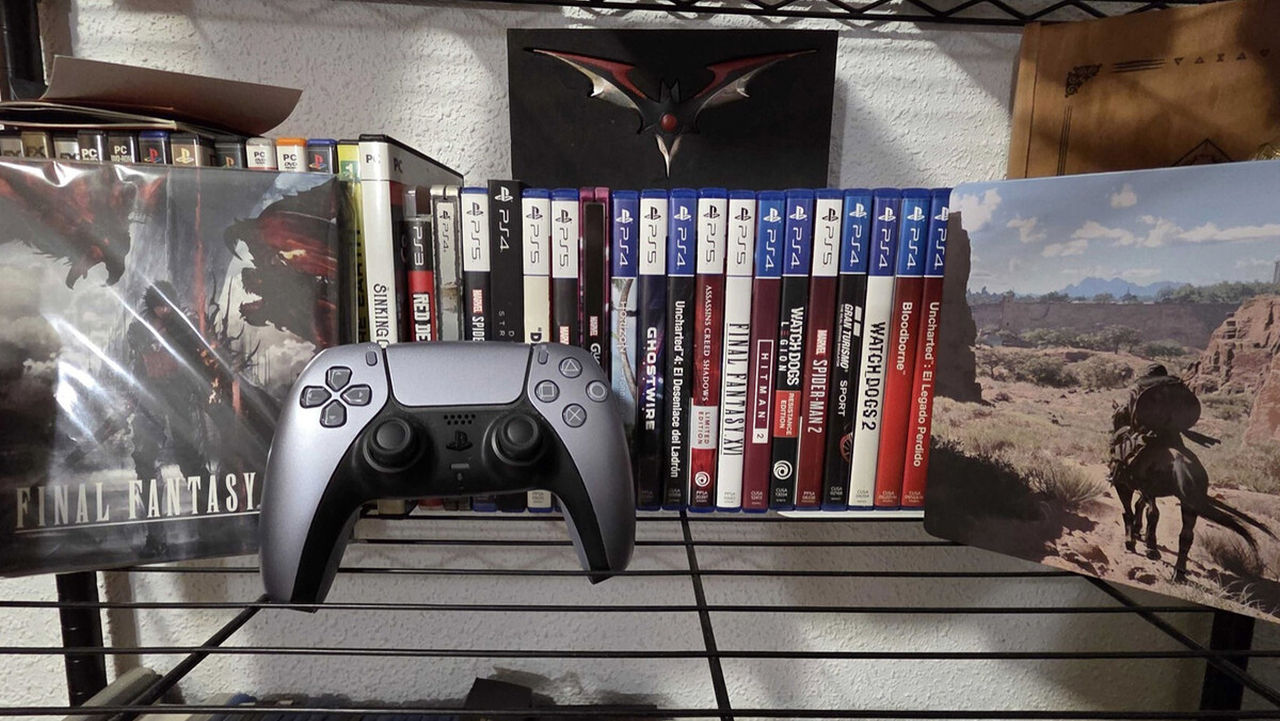
Industry analyst Rhys Elliott believes that ending physical PlayStation releases after 2028 may temporarily ease Sony’s manufacturing expenses as the cost of memory, storage, and other components continues to rise. The company could eventually pay for those short-term savings by losing customers, weakening trust within its community, and driving more players towards PC, mobile, and free-to-play games.
PlayStation’s plan to stop producing physical games after 2028 represents a major turning point even for an industry that has been moving steadily towards complete digital distribution. Free-to-play releases, live-service games, subscriptions such as Game Pass, and the expansion of digital storefronts have already reduced the importance of discs. Alinea Analytics analyst Rhys Elliott nevertheless argues that Sony’s decision is not a confidently constructed long-term plan, but primarily a reaction to the rising cost of memory, storage, and other components. The company may be attempting to survive the worst years of the current manufacturing crisis, but it could create two serious problems in the process.
Writing on X, Elliott described PlayStation’s complete digital transition as “more of a trap than a strategy,” through which Sony is effectively trying to “buy time.” The company may be waiting for hardware-market conditions to improve and for console manufacturing to become less expensive again. The severity of the situation is illustrated by Sony reportedly selling PS5 models manufactured exclusively for Japan at a loss in order to maintain interest in its domestic market despite accepting smaller margins.
The analyst expects pressure on supply chains to decline once the enormous demand for memory and storage from AI-focused data centres begins to ease. Cheaper components could then reduce console production expenses, something that may become particularly important for the PS6.
The Disappearance of Physical Games Could Accelerate the Move to PC
Eliminating physical releases may help Sony offset high hardware costs until conditions improve, but Elliott believes the company could pay a substantial long-term price. By the time manufacturing becomes cheaper again in several years, PlayStation may already have lost part of an audience that will be extremely difficult to recover. The analyst therefore compared the plan to “a bridge to get through the bad years.” The other side of that bridge may not contain a stronger business, however, but a smaller and more distrustful community that reacts far more cautiously to similar Sony decisions in the future.
Removing discs would also eliminate one of the most important and affordable entry points into the PlayStation ecosystem. Many younger players, casual users, and consumers with limited budgets begin building their collections through second-hand physical games before eventually purchasing digital content, subscribing to PlayStation Plus, and developing a lasting attachment to the platform. By dismantling the pre-owned market, Sony could remove the first step that regularly transforms budget-conscious newcomers into long-term paying customers.
“In a generation where consoles cost over $700 and games reach $80, eliminating the cheapest entry point to the ecosystem accelerates audience fragmentation. Sports gamers, casual gamers, and younger players will migrate to mobile devices, PCs, and free-to-play games even faster,” Elliott warned. Alinea Analytics therefore considers Sony’s response understandable from a business perspective during a technological and manufacturing crisis intensified by artificial intelligence, but the decision could still become one of PlayStation’s most damaging self-inflicted strategic mistakes.
Source: 3DJuegos









Leave a Reply