
TECH NEWS – Apple has also moved manufacturing of the Vision Pro with the M5 chip to Vietnam as part of its ongoing supply-chain reshuffle.
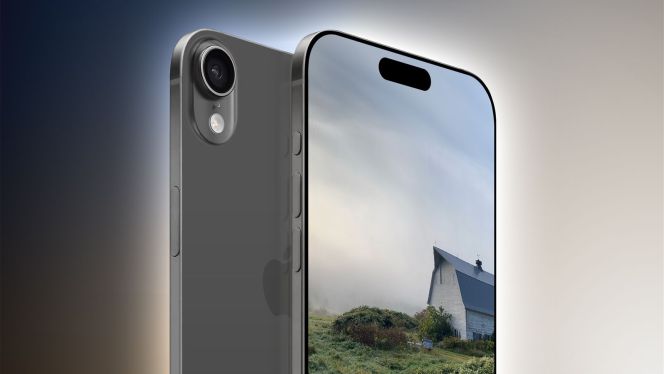
Apple’s continual supply-chain tuning shows no signs of slowing, and both the iPhone Air and the M5 Vision Pro are now being adjusted accordingly. A KeyBanc Capital Markets survey found virtually no demand for the iPhone Air and only limited willingness to buy foldables. It also noted moderate but healthy demand for the rest of the iPhone 17 lineup, with sales skewing toward the iPhone 17 Pro and Pro Max. Citing Nikkei Asia, reports say Apple is dialing back iPhone Air production while increasing orders for other iPhone 17 models. Analyst Ming-Chi Kuo adds that most iPhone Air suppliers are expected to slash capacity by more than 80%.
iPhone Air demand has fallen short of expectations, leading the supply chain to begin scaling back both shipments and production capacity. Most suppliers are expected to reduce capacity by more than 80% by 1Q26, while some components with longer lead times are expected to be…
— 郭明錤 (Ming-Chi Kuo) (@mingchikuo) October 22, 2025
Meanwhile, Apple has reportedly pushed its $3,900 foldable iPad to at least 2029 amid persistent engineering hurdles tied to weight and the device’s 18-inch panels—described by sources as massive foldable displays. Apple is said to be working with Samsung Display to tackle hinge durability and near-invisible crease targets. The company’s first foldable iPhone is also facing delays, owing to hinge complexity and panel production challenges. Analysts at Mizuho believe Apple trimmed initial output for the requisite display panels from roughly 13 million to 9 million units.
Packaging for the new M5 Vision Pro now indicates final assembly in Vietnam rather than China. As one of Apple’s lower-volume products, the M5 Vision Pro was a relatively easy candidate for the transition. The move coincides with expectations that Apple’s upcoming home devices—a 7-inch-screen HomePod, indoor security cameras, and a desktop AI robot—will also be built at BYD facilities in Vietnam.
Strategically, the shift toward Vietnam is aimed at insulating Apple from geopolitical shocks—especially as Vietnam has reduced perceived risk following a comprehensive trade agreement signed with the Trump administration.















Leave a Reply